Loading...
Done
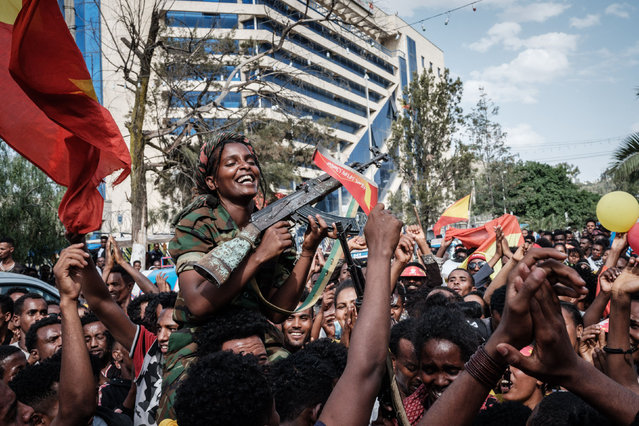
Female soldiers of Tigray Defence Force (TDF) celebrate while they sit on men's shoulders as people celebrate their return on a street in Mekele, the capital of Tigray region, Ethiopia, on June 29, 2021. Rebel fighters in Ethiopia's war-hit Tigray seized control of more territory on June 29, 2021, one day after retaking the local capital and vowing to drive all “enemies” out of the region. (Photo by Yasuyoshi Chiba/AFP Photo)

Female soldiers of Tigray Defence Force (TDF) celebrate while they sit on men's shoulders as people celebrate their return on a street in Mekele, the capital of Tigray region, Ethiopia, on June 29, 2021. Rebel fighters in Ethiopia's war-hit Tigray seized control of more territory on June 29, 2021, one day after retaking the local capital and vowing to drive all “enemies” out of the region. (Photo by Yasuyoshi Chiba/AFP Photo)
Details
16 Jul 2021 10:26:00
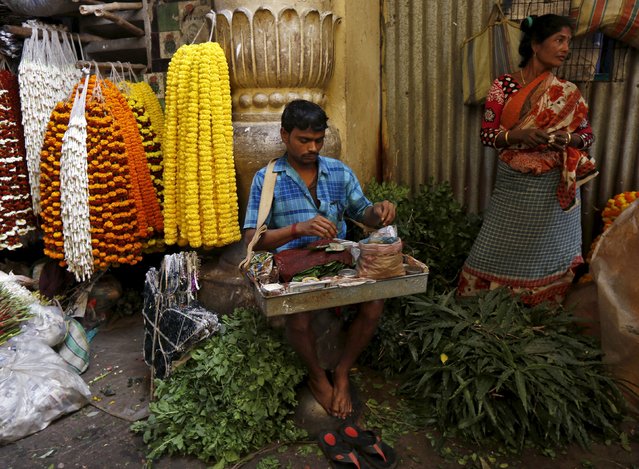
A vendor prepares paan, a betel nut-based chewable stimulant at a flower market in Kolkata, India, January 18, 2016. (Photo by Rupak De Chowdhuri/Reuters)

A vendor prepares paan, a betel nut-based chewable stimulant at a flower market in Kolkata, India, January 18, 2016. (Photo by Rupak De Chowdhuri/Reuters)
Details
04 Feb 2016 11:29:00
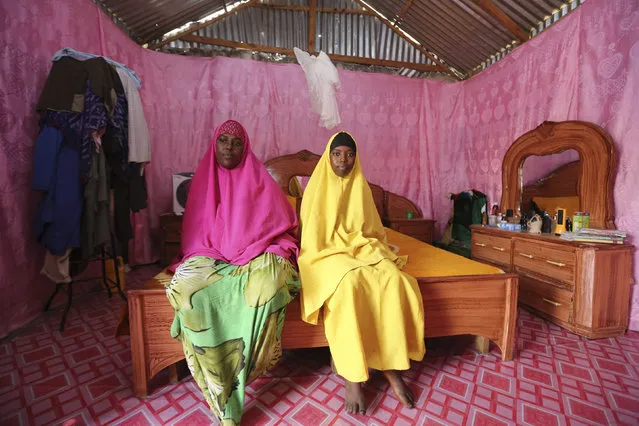
Saciido Sheik Yacquub, 34, poses for a picture with her daughter Faadumo Subeer Mohamed, 13, at their home in Hodan district IDP camp in Mogadishu February 11, 2014. Saciido, who runs a small business, wanted to be a business woman when she was a child. She studied until she was 20. She hopes that Faadumo will become a doctor. Faadumo will finish school in 2017 and hopes to be a doctor when she grows up. (Photo by Feisal Omar/Reuters)

“On March 8th activists celebrate International Women’s Day, which dates back to the early 20th century and has been observed by the United Nations since 1975. In the run-up to the event, Reuters photographers in countries around the globe took a series of portraits of women and their daughters. They asked each mother what her profession was, at what age she had finished education, and what she wanted her daughter to become when she grew up. They also asked each daughter at what age she would finish education and what she wanted to do in the future. The series of images offers an insight into the lives of women and girls around the world”. – Reuters. (Photo by Feisal Omar/Reuters)
Details
09 Mar 2014 04:33:00
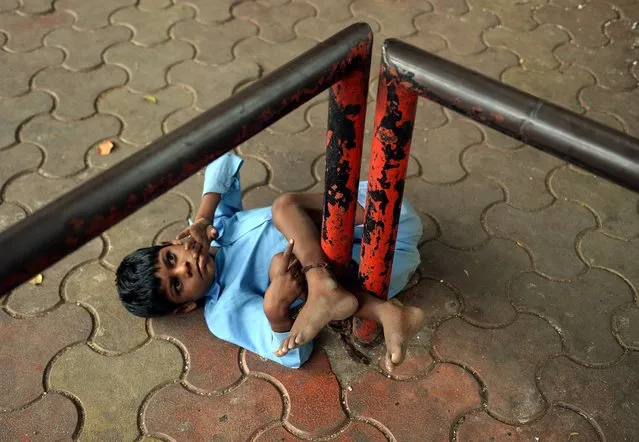
In this photograph taken on May 20, 2014 nine year old Indian boy Lakhan Kale is tied with a cloth rope around his ankle, to a bus-stop pole in Mumbai. (Photo by Punit Paranjpe/AFP Photo)

In this photograph taken on May 20, 2014 nine year old Indian boy Lakhan Kale is tied with a cloth rope around his ankle, to a bus-stop pole in Mumbai. The nine-year-old boy dressed in blue lay listlessly on the pavement in the scorching Mumbai summer afternoon, his ankle tethered with rope to a bus stop, unheeded by pedestrians strolling past. Lakhan Kale cannot hear or speak and suffers from cerebral palsy and epilepsy, so his grandmother and carer tied him up to keep him safe while she went to work, selling toys and flower garlands on the city's roadsides. (Photo by Punit Paranjpe/AFP Photo)
Details
04 Jul 2014 09:54:00
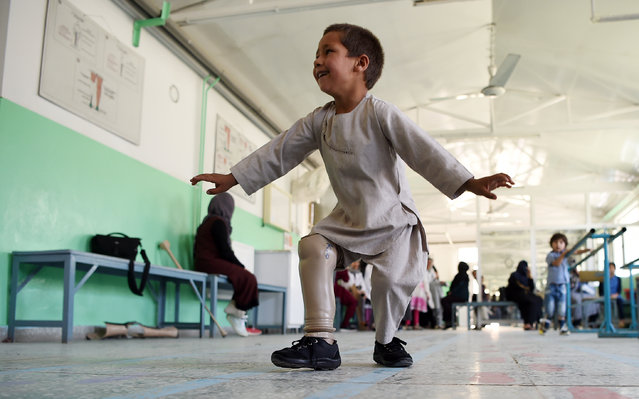
Ahmad Sayed Rahman, a five-year-old Afghan boy who lost his right leg when he was hit by a bullet in the crossfire of a battle, dances with his prosthetic leg at the International Committee of the Red Cross (ICRC) hospital for war victims and the disabled, in Kabul on May 7, 2019. With his hands in the air and an infectious grin spreading from ear to ear, a young Afghan boy whirls around a Kabul hospital room on his new prosthetic leg. The boy, five-year-old Ahmad Sayed Rahman, has become a social media star in Afghanistan and beyond after a short video of him effortlessly dancing on his new limb was published this week on Twitter. (Photo by Wakil Kohsar/AFP Photo)

Ahmad Sayed Rahman, a five-year-old Afghan boy who lost his right leg when he was hit by a bullet in the crossfire of a battle, dances with his prosthetic leg at the International Committee of the Red Cross (ICRC) hospital for war victims and the disabled, in Kabul on May 7, 2019. (Photo by Wakil Kohsar/AFP Photo)
Details
10 Jun 2019 00:03:00
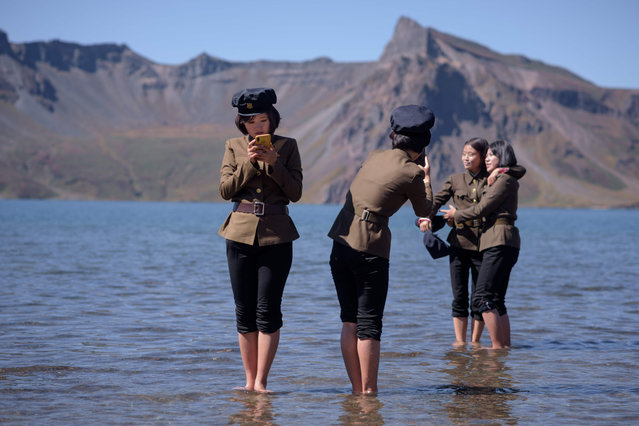
In a photo taken on September 11, 2019, North Korean students pose for photos in Chonji lake, or “Heaven lake”, as they visit the crater of Mount Paektu, near Samjiyon. Mount Paektu has long been considered the spiritual birthplace of the Korean nation and is a place of pilgrimage for tens of thousands of North Koreans every year, who are trained from birth to revere their leaders. Every year 100,000 North Koreans or more are taken on study tours to the camp, the mountain, and nearby revolutionary sites where relics of operations are preserved. Dressing in khaki uniforms said to resemble guerrillas' outfits and carrying red flags, they march to the summit of the volcano. (Photo by Ed Jones/AFP Photo)

In a photo taken on September 11, 2019, North Korean students pose for photos in Chonji lake, or “Heaven lake”, as they visit the crater of Mount Paektu, near Samjiyon. Mount Paektu has long been considered the spiritual birthplace of the Korean nation and is a place of pilgrimage for tens of thousands of North Koreans every year, who are trained from birth to revere their leaders. (Photo by Ed Jones/AFP Photo)
Details
09 Oct 2019 00:03:00
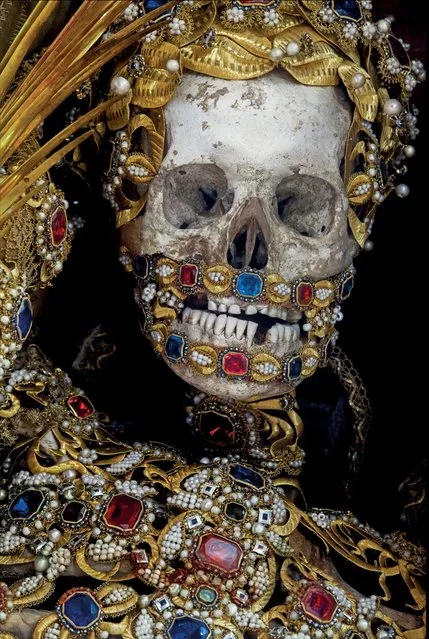
Albertus in the church of St George in Burgrain, Germany. Incredibly, some of the skeletons, which took up to five years to decorate, were even found hidden away in lock-ups and containers. (Photo by Paul Koudounaris/BNPS)

A relic hunter dubbed “Indiana Bones” has lifted the lid on a macabre collection of 400-year-old jewel-encrusted skeletons unearthed in churches across Europe. Art historian Paul Koudounaris has hunted down and photographed dozens of gruesome skeletons in some of the world's most secretive religious establishments. Photo: Albertus in the church of St George in Burgrain, Germany. Incredibly, some of the skeletons, which took up to five years to decorate, were even found hidden away in lock-ups and containers. (Photo by Paul Koudounaris/BNPS)
Details
08 Sep 2013 07:20:00
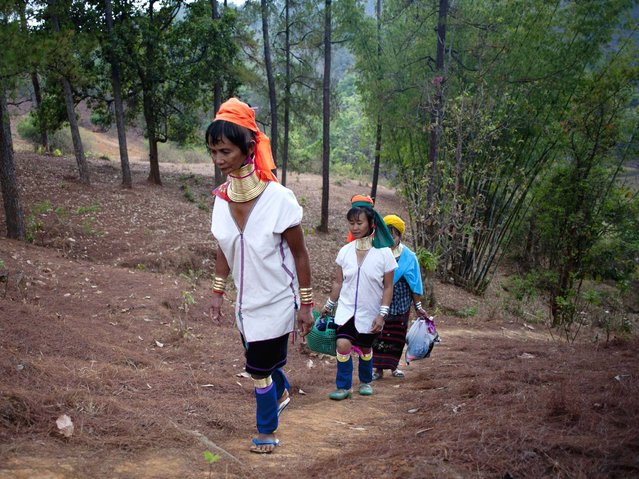
One of the theories says that the coils originate from the desire to look more attractive by exaggerating sexual dimorphism, as women have more slender necks than men. (Photo by Ye Aung Thu/AFP Photo)

This photo taken on April 16, 2014 shows ethnic Kayan women wearing traditional clothes and bronze rings around tbeir neck in Panpet village, Demoso township in Kayah state, eastern Myanmar. Some ethnic Kayan women, also known as Padaung, begin wearing the bronze rings on their neck and legs from a young age. Usually they start wearing six to ten rings when they are five to ten-years-old and then they put on one more ring a year for years after then. (Photo by Ye Aung Thu/AFP Photo)
Details
23 Apr 2014 08:56:00