Loading...
Done
The Japanese Use A Real Rabbits As Case For Smartphone

If you see a weird trend or a mind boggling commercial, you know that it’s from Japan. Take the latest one for example. You might be misled be the title into thinking that those bloody bastards are killing poor rabbits and making iPhone cases out of them. However, the reality is much more adorable. The new trend is placing iPhones on rabbit’s tummies and taking pictures of it. Rabbits make the perfect iPhone holders! Not only are they fluffy as hell, they can also nibble on your fingers while you try to type a message, or try voiding your iPhone’s warranty by shaking your iPhone off while trying to escape this humiliation.
Details
27 Oct 2014 11:53:00
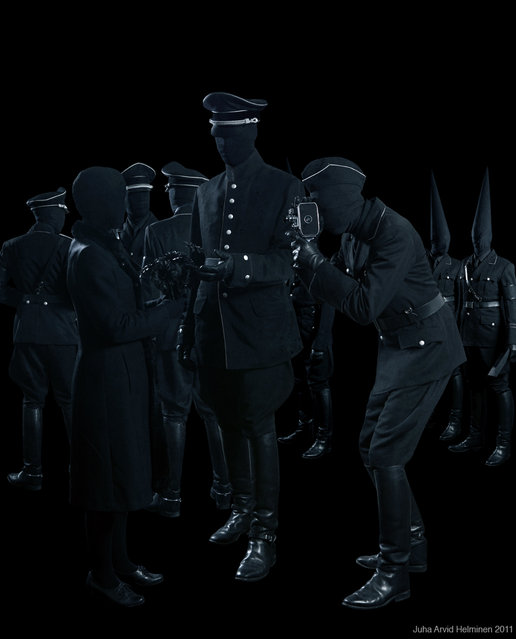
Invisible Empire

This visually striking photo series by Juna Helminen captures an unsettling portrait that really doesn't fail to creep the living hell out of me. But I digress, I think its absolutely beautiful work by the Helsinki based artist who goes by the name of Immanuel on Deviantart. There are some really subtle undertones in this series, including fanaticism and loss of individuality. The lighting in these photographs, as well as the compositions are pretty damn amazing as well...If you like the surreal movies of Tarsem or played any of the Silent Hill games..Or are just looking to be creeped out, you'll love the rest of the images from this series after the break.
Details
15 Jun 2012 16:51:00
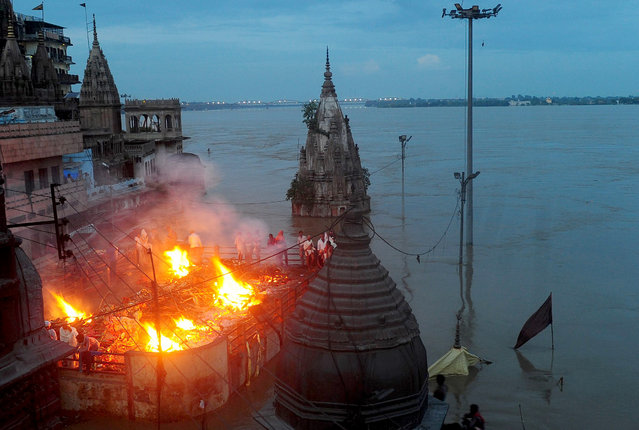
Indian mourners perform a cremation on the roof of a building overlooking The Manikarnika Ghat in Varanasi on August 23, 2016. India's holy city of Varanasi has been forced to halt cremations along the banks of the sacred river Ganges as deadly floods from monsoon rains hit parts of the country, an official said. More than 100,000 people have been forced from their homes in recent days in northern Uttar Pradesh and neighbouring Bihar states as rain-swollen rivers burst their banks. (Photo by Sanjay Kanojia/AFP Photo)

Indian mourners perform a cremation on the roof of a building overlooking The Manikarnika Ghat in Varanasi on August 23, 2016. India's holy city of Varanasi has been forced to halt cremations along the banks of the sacred river Ganges as deadly floods from monsoon rains hit parts of the country, an official said. More than 100,000 people have been forced from their homes in recent days in northern Uttar Pradesh and neighbouring Bihar states as rain-swollen rivers burst their banks. (Photo by Sanjay Kanojia/AFP Photo)
Details
28 Aug 2016 09:57:00
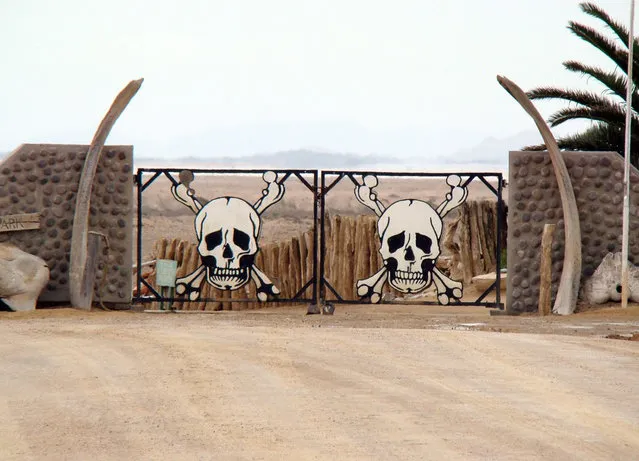
The Skeleton Coast, Namibia

The Skeleton Coast is the northern part of the Atlantic Ocean coast of Namibia and south of Angola from the Kunene River south to the Swakop River, although the name is sometimes used to describe the entire Namib Desert coast. The Bushmen of the Namibian interior called the region "The Land God Made in Anger", while Portuguese sailors once referred to it as "The Gates of Hell".
Details
23 Feb 2014 09:27:00


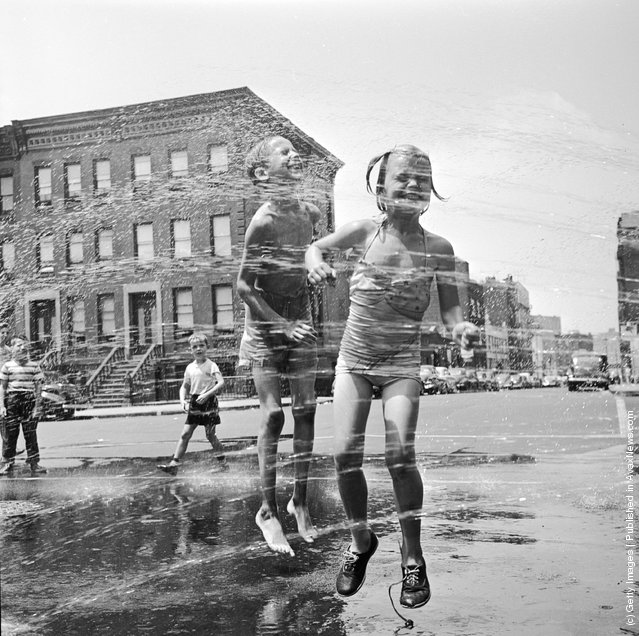
Two children jumping through a water hydrant's shower on a New York street. They have come from a neighbouring co-educational playgroup organised by the city's Police Department. (Photo by Orlando/Getty Images). 1950
Details
24 Jul 2011 12:35:00
How Snakeskin Handbags Are Made

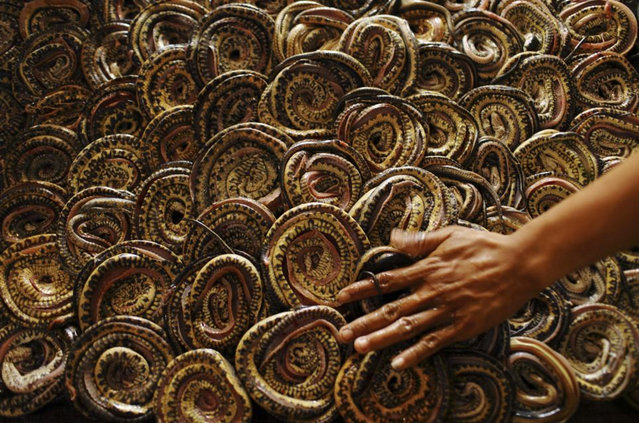
Images from a snake slaughterhouse at Kapetakan village in Indonesia’s West Java province. Wakira, who is known as “Boss Cobra”, owns the slaughterhouse that produces snake meat and skin. Snake meat is believed by some to be a remedy for skin diseases and asthma, as well as an aid to increase virility. The snake skins, measuring in the hundreds of metres, are sold to bag factories in the West and Central Java provinces on a monthly basis. The price of a bag made from snake skin costs between 150,000 rupiah ($ 15.60) and 300,000 rupiah ($31.20), depending on its size. That snakeskin handbag you’ll buy is costing a hell of a lot more.
Details
20 Feb 2013 12:00:00
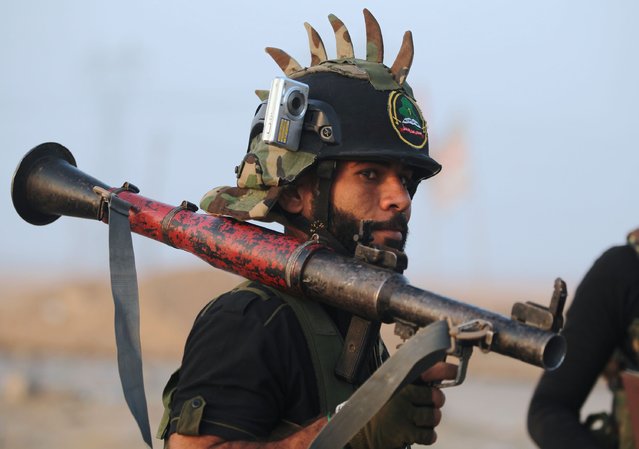
A Shiite fighter from the Hashed al-Shaabi (Popular Mobilisation) patrols in the village of Ayn Nasir, south of Mosul, on October 29, 2016, after recapturing it from Islamic State group jihadists in an ongoing operation to retake the city of Mosul. Iraqi paramilitary forces launched an operation to cut the Islamic State group's supply lines between its Mosul bastion and neighbouring Syria, opening a new front in the nearly two-week-old offensive. (Photo by Ahmad Al-Rubaye/AFP Photo)

A Shiite fighter from the Hashed al-Shaabi (Popular Mobilisation) patrols in the village of Ayn Nasir, south of Mosul, on October 29, 2016, after recapturing it from Islamic State group jihadists in an ongoing operation to retake the city of Mosul. Iraqi paramilitary forces launched an operation to cut the Islamic State group's supply lines between its Mosul bastion and neighbouring Syria, opening a new front in the nearly two-week-old offensive. (Photo by Ahmad Al-Rubaye/AFP Photo)
Details
31 Oct 2016 11:20:00
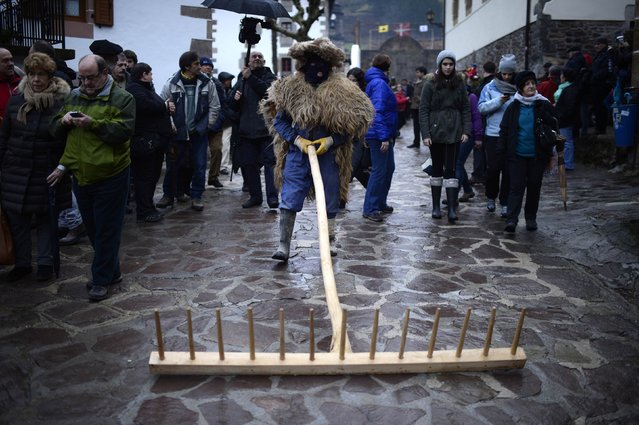
A man walks with a giant rake during carnival celebrations in Zubieta January 27, 2015. Bell carrying dancers known as Joaldunak from Zubieta and neighbouring Ituren visit each other's villages performing a ritual dance to ward off evil spirits and awaken the coming spring. Alongside the dancers, villagers dress in bizarre and frightening costumes to harass and scare visitors. (Photo by Vincent West/Reuters)

A man walks with a giant rake during carnival celebrations in Zubieta January 27, 2015. Bell carrying dancers known as Joaldunak from Zubieta and neighbouring Ituren visit each other's villages performing a ritual dance to ward off evil spirits and awaken the coming spring. Alongside the dancers, villagers dress in bizarre and frightening costumes to harass and scare visitors. (Photo by Vincent West/Reuters)
Details
28 Jan 2015 11:46:00