Loading...
Done
A health official checks the body temperature of a burqa-clad woman passenger amid concerns over the spread of the COVID-19 novel coronavirus at the Lahore Railway station in Lahore on March 19, 2020. (Photo by Arif Ali/AFP Photo)

A health official checks the body temperature of a burqa-clad woman passenger amid concerns over the spread of the COVID-19 novel coronavirus at the Lahore Railway station in Lahore on March 19, 2020. (Photo by Arif Ali/AFP Photo)
Details
22 Apr 2020 00:03:00
Hoghton Towers 1940

Living History comes to Hoghton Tower with the sights and sounds of the 1940's.
Details
28 May 2012 01:40:00
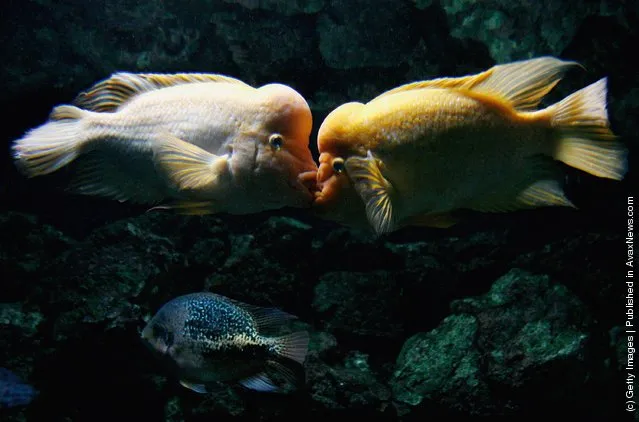
Midas Cichlid a.k.a. Amphilophus Citrinellus

“Amphilophus citrinellus is a large cichlid fish endemic to the San Juan River and adjacent watersheds in Costa Rica and Nicaragua. In the aquarium trade A. citrinellus is often sold under the trade name of Midas cichlid. A. citrinellus are omnivorous and their diet consists of plant material, molluscs and smaller fish”. – Wikipedia

Photo: Two Midas Cichlid (lat: amphilophus citrinellus) fish are seen in an aquarium at Hellabrunn zoo on December 23, 2009 in Munich, Germany. (Photo by Alexandra Beier/Getty Images)
Details
17 Aug 2011 11:29:00
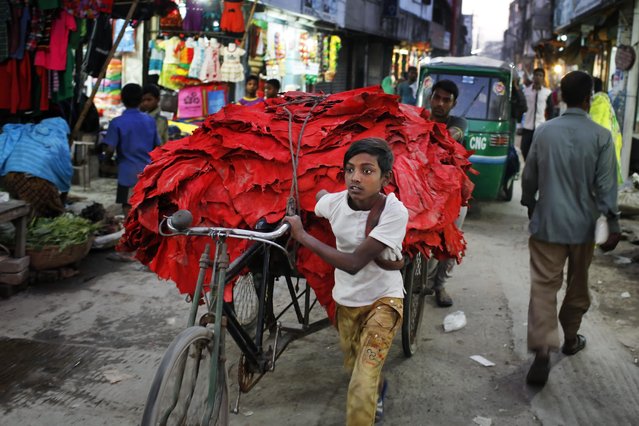
In this Thursday, February 9, 2017 photo, a Bangladeshi boy pulls a rickshaw loaded with strips of leather at the highly polluted Hazaribagh tannery area in Dhaka, Bangladesh. Hazardous, heavily polluting tanneries with workers as young as 14 supplied leather to companies that make shoes and handbags for Western brands, a nonprofit group that investigates supply chains says. (Photo by A.M. Ahad/AP Photo)

In this Thursday, February 9, 2017 photo, a Bangladeshi boy pulls a rickshaw loaded with strips of leather at the highly polluted Hazaribagh tannery area in Dhaka, Bangladesh. Hazardous, heavily polluting tanneries with workers as young as 14 supplied leather to companies that make shoes and handbags for Western brands, a nonprofit group that investigates supply chains says. (Photo by A.M. Ahad/AP Photo)
Details
25 Mar 2017 08:02:00
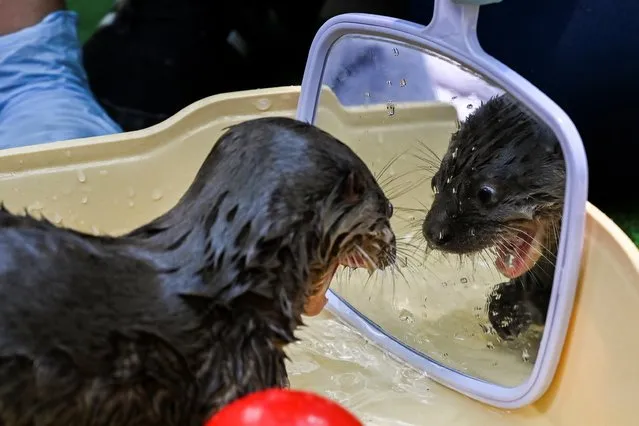
A river otter (lontra longicaudis) of 6-weeks-old looks in the mirror during a bath in the Animal Welfare Unit of the Zoo in Cali, Colombia, on October 22, 2019. The baby otter was found abandoned brought to the Cali Zoo for breeding, for its extensive experience in raising these species. According to the International Union for Conservation of Nature the river otter (lontra longicaudis) are in danger of extinction, because of mining, agriculture, pollution of rivers and housing construction in their habitat. (Photo by Luis Robayo/AFP Photo)

A river otter (lontra longicaudis) of 6-weeks-old looks in the mirror during a bath in the Animal Welfare Unit of the Zoo in Cali, Colombia, on October 22, 2019. The baby otter was found abandoned brought to the Cali Zoo for breeding, for its extensive experience in raising these species. According to the International Union for Conservation of Nature the river otter (lontra longicaudis) are in danger of extinction, because of mining, agriculture, pollution of rivers and housing construction in their habitat. (Photo by Luis Robayo/AFP Photo)
Details
27 Oct 2019 00:03:00
Hot air balloons in flight over Melbourne, Australia on January 24, 2022. (Photo by Rex Features/Shutterstock)

Hot air balloons in flight over Melbourne, Australia on January 24, 2022. (Photo by Rex Features/Shutterstock)
Details
18 Mar 2022 05:34:00
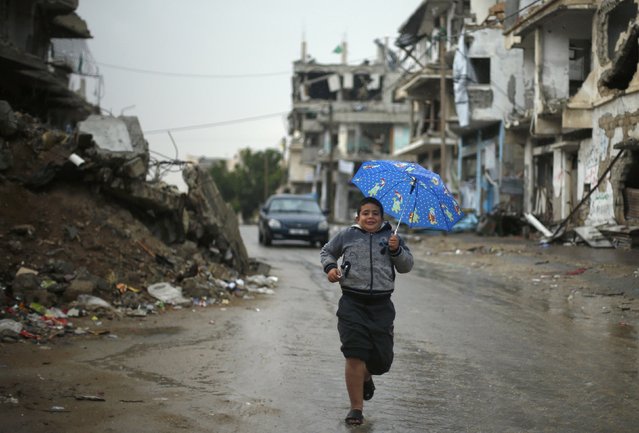
A Palestinian boy holds an umbrella as he runs near houses that witnesses said were destroyed or damaged by Israeli shelling during the most recent conflict between Israel and Hamas, on a rainy day in the east of Gaza City November 16, 2014. (Photo by Suhaib Salem/Reuters)

A Palestinian boy holds an umbrella as he runs near houses that witnesses said were destroyed or damaged by Israeli shelling during the most recent conflict between Israel and Hamas, on a rainy day in the east of Gaza City November 16, 2014. (Photo by Suhaib Salem/Reuters)
Details
17 Nov 2014 12:01:00
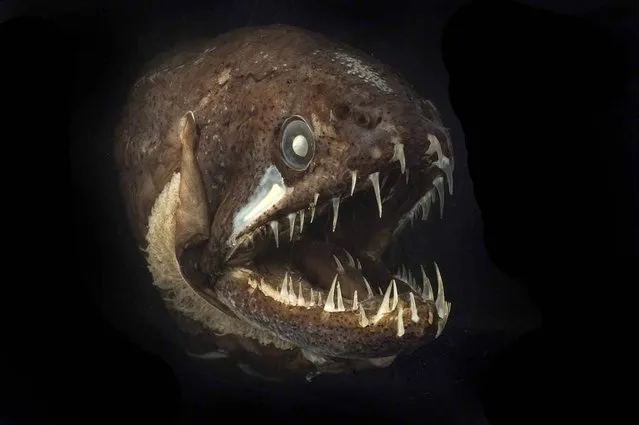
Imagine living in the sea where it is permanently dark, cold, and food is hard to find. For many animals at depth, it may be weeks to months between meals. If you find something to eat, you have to hang on to it

Imagine living in the sea where it is permanently dark, cold, and food is hard to find. For many animals at depth, it may be weeks to months between meals. If you find something to eat, you have to hang on to it. This is why so many deep-sea fishes have lots of big teeth. This dragonfish, spotted off the coast of Australia, even has teeth on its tongue. They would be terrifying animals ... if they weren’t the size of a banana. (Photo by Julian Finn/Museum Victoria)
Details
21 May 2012 12:14:00