Loading...
Done
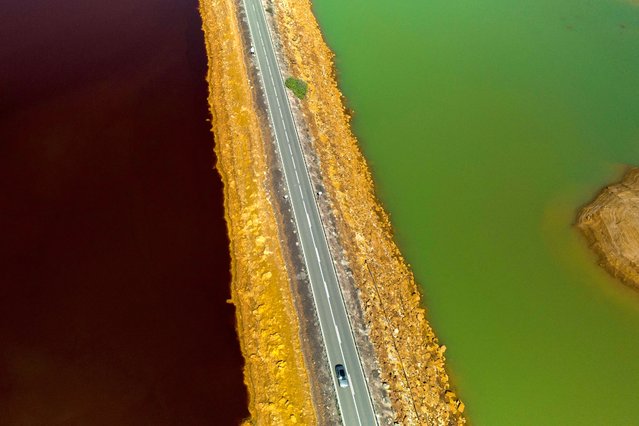
This aerial image shows a gossan reservoir at the Riotinto mines in Minas de Riotinto, near of Huelva on September 30, 2022. Although the Rio Tinto Company began to exploit these mines in 1873, this mining site already supplied minerals to the ancient Greeks and Romans. (Photo by Jorge Guerrero/AFP Photo)

This aerial image shows a gossan reservoir at the Riotinto mines in Minas de Riotinto, near of Huelva on September 30, 2022. Although the Rio Tinto Company began to exploit these mines in 1873, this mining site already supplied minerals to the ancient Greeks and Romans. (Photo by Jorge Guerrero/AFP Photo)
Details
29 Oct 2022 04:09:00
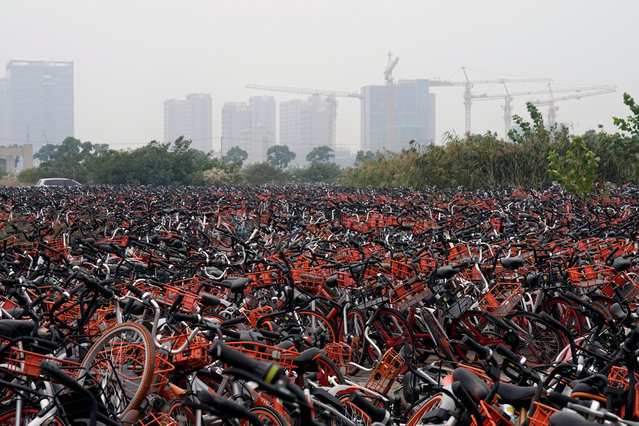
Bicycles of various bike-sharing services are seen at an urban village in smog during a polluted day in Shanghai, 2017. Rapid expansion of shared bicycle companies across China has led to massive piles of abandoned bikes as supply outstrips demand. (Photo by Aly Song/Reuters)

Bicycles of various bike-sharing services are seen at an urban village in smog during a polluted day in Shanghai, 2017. Rapid expansion of shared bicycle companies across China has led to massive piles of abandoned bikes as supply outstrips demand. (Photo by Aly Song/Reuters)
Details
13 Apr 2018 00:03:00
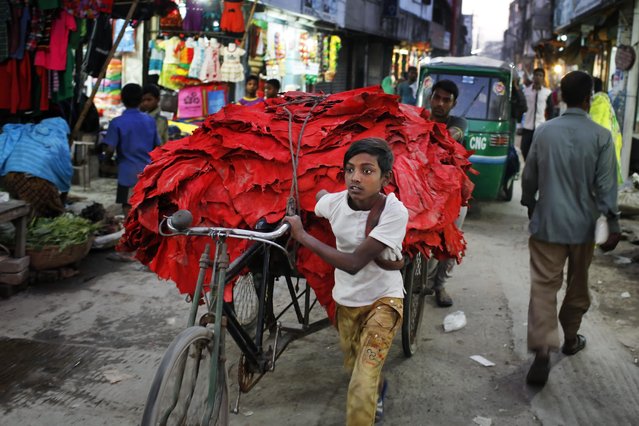
In this Thursday, February 9, 2017 photo, a Bangladeshi boy pulls a rickshaw loaded with strips of leather at the highly polluted Hazaribagh tannery area in Dhaka, Bangladesh. Hazardous, heavily polluting tanneries with workers as young as 14 supplied leather to companies that make shoes and handbags for Western brands, a nonprofit group that investigates supply chains says. (Photo by A.M. Ahad/AP Photo)

In this Thursday, February 9, 2017 photo, a Bangladeshi boy pulls a rickshaw loaded with strips of leather at the highly polluted Hazaribagh tannery area in Dhaka, Bangladesh. Hazardous, heavily polluting tanneries with workers as young as 14 supplied leather to companies that make shoes and handbags for Western brands, a nonprofit group that investigates supply chains says. (Photo by A.M. Ahad/AP Photo)
Details
25 Mar 2017 08:02:00
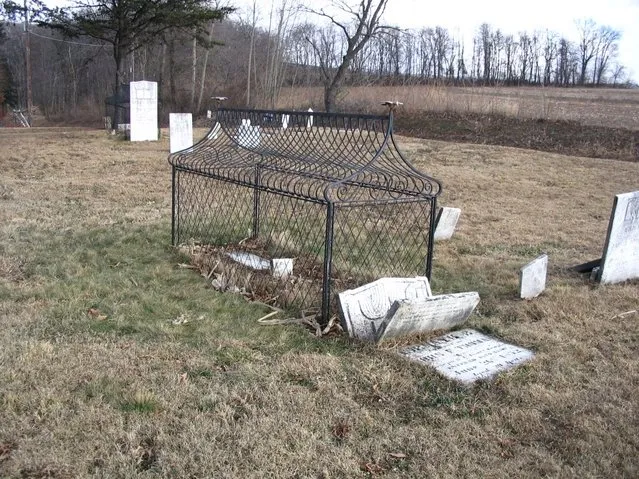
Mortsafe - Protection From The Dead

Mortsafes were contraptions designed to protect graves from disturbance. Resurrectionists had supplied the schools of anatomy in Scotland since the early 18th century. This was due to the necessity for medical students to learn anatomy by attending dissections of human subjects, which was frustrated by the very limited allowance of dead bodies – for example the corpses of executed criminals – granted by the government, which controlled the supply.
Details
29 Nov 2013 12:03:00
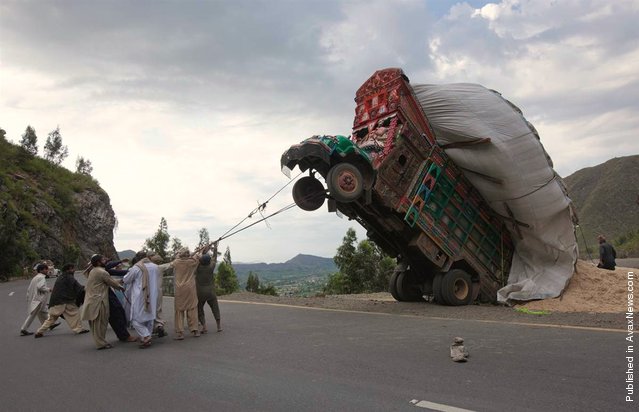
Men use ropes to try and right a supply truck overloaded with wheat straw along a road in Dargai, in the Malakand district, about 100 miles northwest of Pakistan's capital Islamabad, on April 13

Men use ropes to try and right a supply truck overloaded with wheat straw along a road in Dargai, in the Malakand district, about 100 miles northwest of Pakistan's capital Islamabad, on April 13, 2012. (Photo by Mian Khursheed/Reuters)
Details
22 Apr 2012 12:15:00
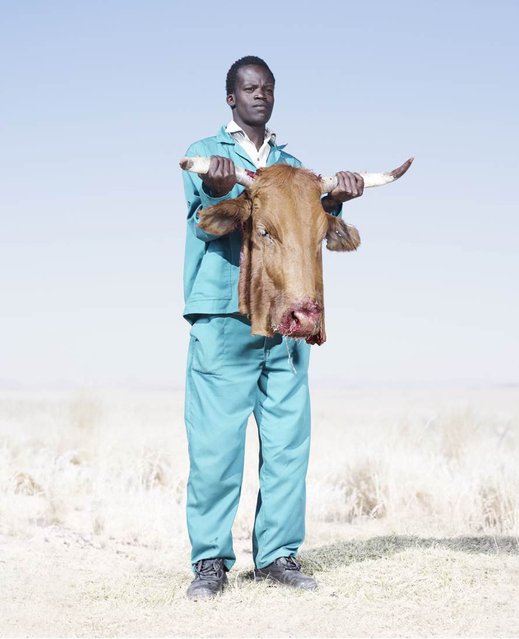
A Herero man holds the head of a freshly butchered cow, killed to supply meat for a funeral, 2012. (Photo by Jim Naughten, courtesy of Klompching Gallery, New York)

A Herero man holds the head of a freshly butchered cow, killed to supply meat for a funeral, 2012. (Photo by Jim Naughten, courtesy of Klompching Gallery, New York)
Details
04 May 2013 11:00:00
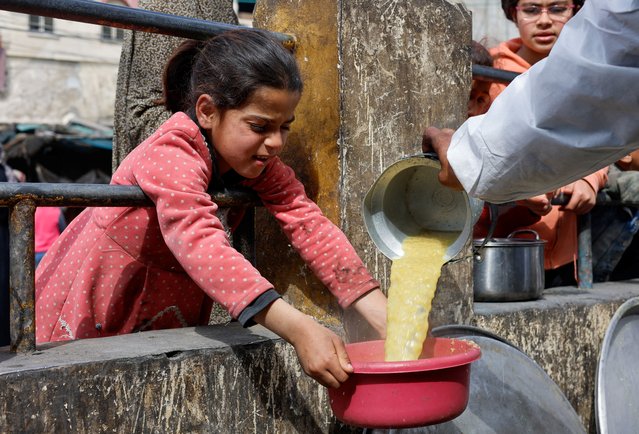
A Palestinian child receives food cooked by a charity kitchen amid shortages of food supplies in Rafah, in the southern Gaza Strip on February 20, 2024. (Photo by Mohammed Salem/Reuters)

A Palestinian child receives food cooked by a charity kitchen amid shortages of food supplies in Rafah, in the southern Gaza Strip on February 20, 2024. (Photo by Mohammed Salem/Reuters)
Details
04 Mar 2024 07:55:00
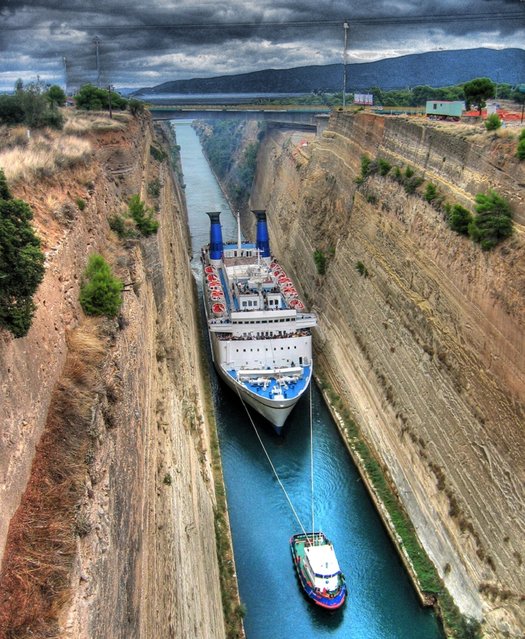
Corinth Canal

The Corinth Canal is a canal that connects the Gulf of Corinth with the Saronic Gulf in the Aegean Sea. It cuts through the narrow Isthmus of Corinth and separates the Peloponnesian peninsula from the Greek mainland, thus effectively making the former an island. The builders dug the canal through the Isthmus at sea level; no locks are employed. It is 6.4 kilometres (4.0 mi) in length and only 21.3 metres (70 ft) wide at its base, making it unpassable for most modern ships. It now has little economic importance.

Details
12 Mar 2013 12:21:00