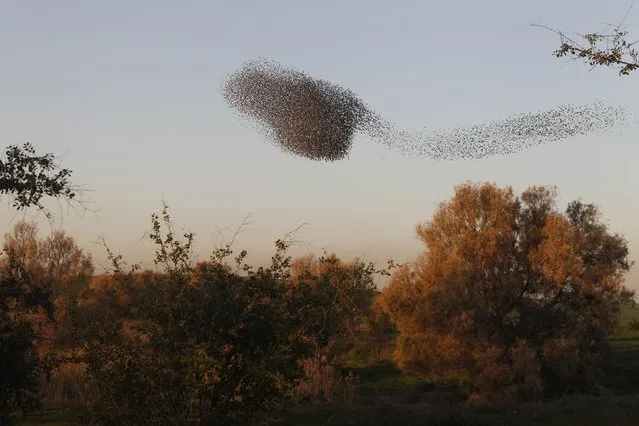
Migrating starlings fly in formation near the southern Israeli town of Rahat February 2, 2015. The phenomenon, known as murmuration, is most common during the winter months. (Photo by Nir Elias/Reuters)
A tattoo artist works during the annual Israel Tattoo Convention in Tel Aviv, Israel, October 8, 2016. Around 140 tattoo artists from Israel and other countries participated in a 2 day fair in Tel Aviv. (Photo by Baz Ratner/Reuters)
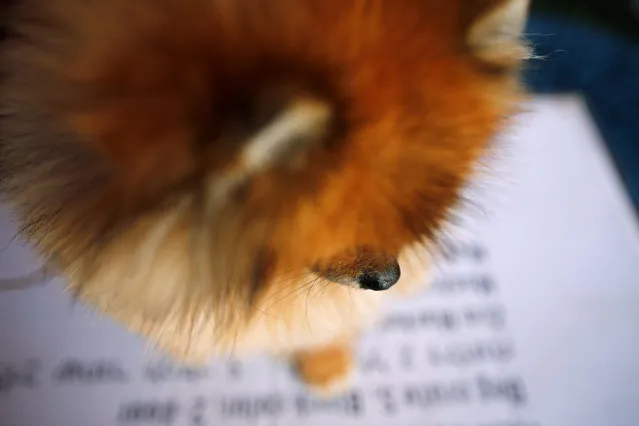
A Pomeranian dog is seen during an international dog exhibition in Kannot, central Israel May 21, 2016. Some 850 purebred dogs from about 200 mini breeds participated in the exhibition. (Photo by Amir Cohen/Reuters)
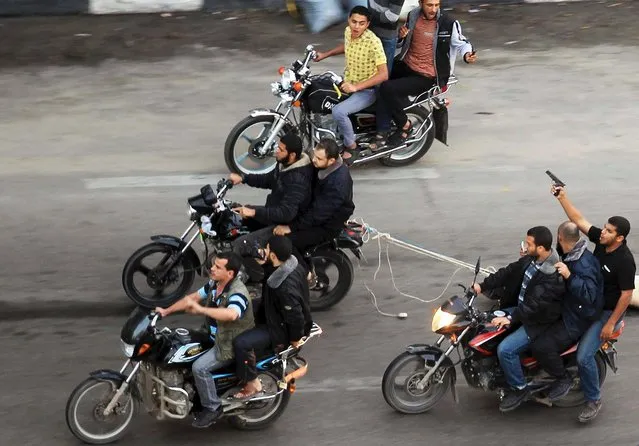
“Masked gunmen publicly shot dead six suspected collaborators with Israel at a large Gaza City intersection Tuesday, witnesses said. An Associated Press reporter saw a mob surrounding five of the bloodied corpses shortly after the killing”. – Karin Laub via Associated Press
Photo: Palestinian gunmen ride motorcycles as they drag the body of a man, who was suspected of working for Israel, in Gaza City November 20, 2012. (Photo by Suhaib Salem/Reuters)
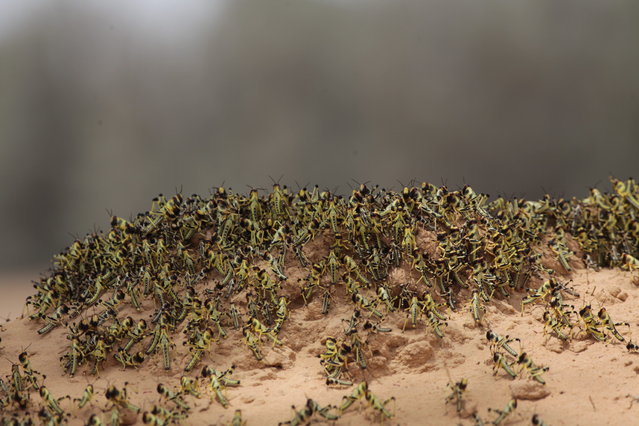
Billions of newly hatched locusts are spreading throughout Israel's South. The young locusts identified in the Negev Desert area are the offspring of locust swarms that entered Israel from Egypt in March. (Photo by Eliahu Hershkovitz/Haaretz)
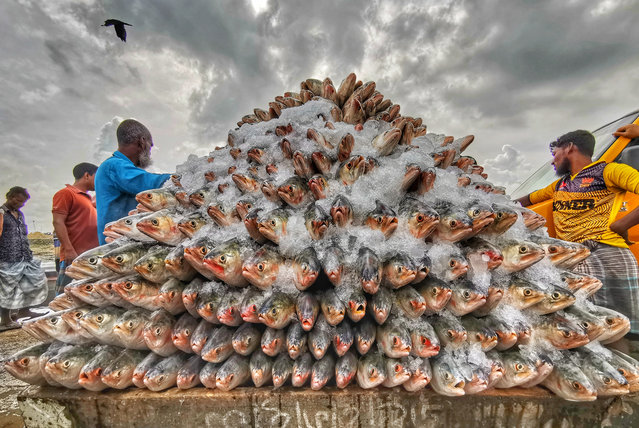
A selection of winning images from the Pink Lady food photographer of the year awards. Here: On the phone – Fishes of Hilsa by Azim Khan Ronnie. (Photo by Azim Khan Ronnie/Pink Lady Food Photographer Award 2020)
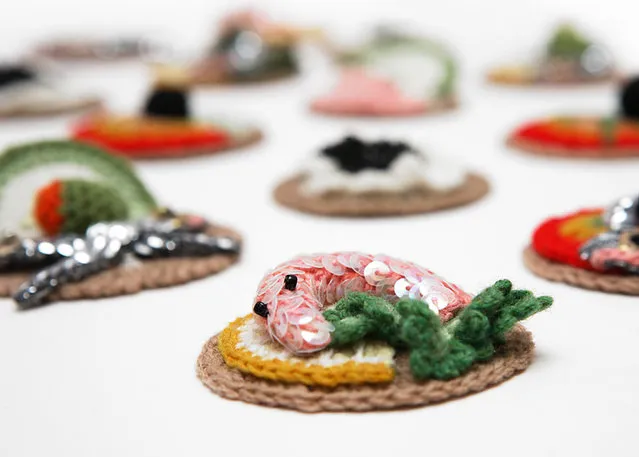
Artist Kate Jenkins makes elaborate crocheted food art in her studio in Brighton. Much of her art depicts the local fare – fish and chips, bangers and mash, and so on – but a recent series, “Kate’s Diner”, focused on classic American food. We previously posted about Jenkins’ crocheted anatomical hearts.
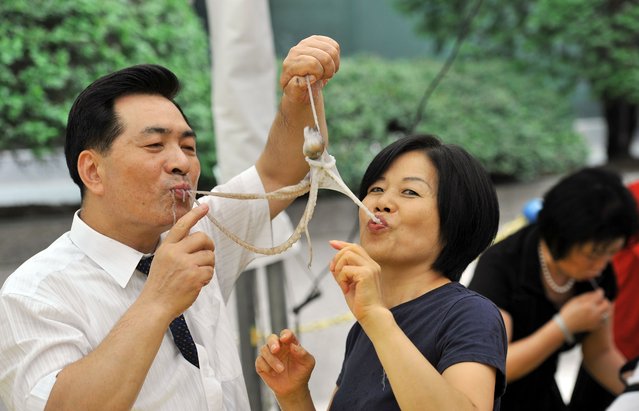
Live octopus is a delicacy in South Korea but is a known choking hazard, since the still-moving suction cups can cause tentacle pieces to stick in a person's throat. A baby octopus is often consumed whole, while larger varieties are cut up and the still-wriggling tentacles eaten with a splash of sesame oil. Photo: A South Korean man and a woman eat a live octopus during an event to promote a local food festival in Seoul on September 12, 2013. (Photo by Jung Yeon-Je/AFP Photo)