Loading...
Done
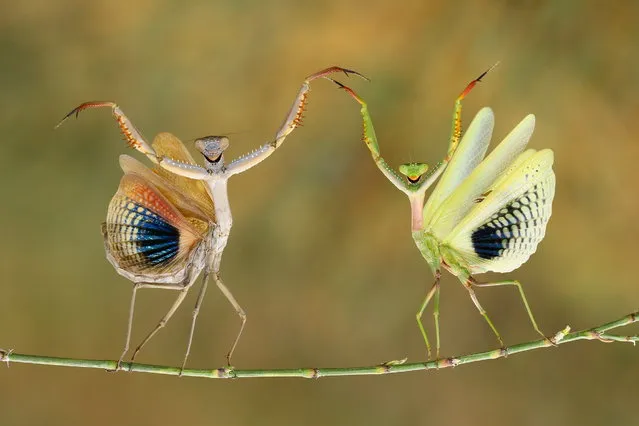
“Show Time”. It's a normal behavior of mantis. They're doing defence. When they're afraid of; raising their arms and spreading their wings. They looks like smiling dancer. Photo location: Nicosia, Cyprus. (Photo and caption by Hasan Baglar/National Geographic Photo Contest)

“Show Time”. It's a normal behavior of mantis. They're doing defence. When they're afraid of; raising their arms and spreading their wings. They looks like smiling dancer. Photo location: Nicosia, Cyprus. (Photo and caption by Hasan Baglar/National Geographic Photo Contest)
Details
28 Oct 2014 13:01:00
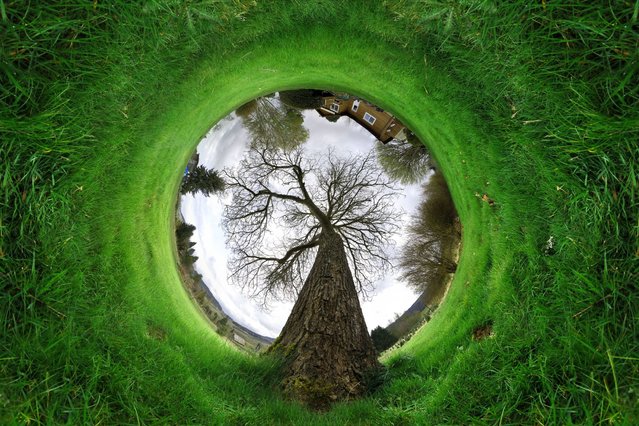
This incredible panoramic photographs are distorted to create miniature worlds and terrifying tunnels. (Photo by Caters News)

This incredible panoramic photographs are distorted to create miniature worlds and terrifying tunnels. (Photo by Caters News)
Details
25 Jan 2014 12:16:00
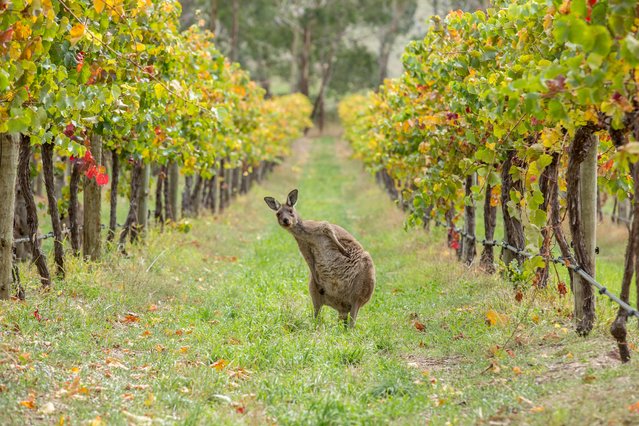
“Are you here for the Winery Tour?” This is a Western Grey Kangaroo caught lounging in the wineries of the Adelaide Hills in South Australia. This past Autumn has been a spectacular time for wildlife viewing and I got lucky to spot this guy while mountain biking in the hills. Such a funny stance it just begs the question... Have you been drinking? ...and or... Are you here for the Winery Tour? Photo location: Adelaide Hills, South Australia, Australia. (Photo and caption by Greg Snell/National Geographic Photo Contest)

“Are you here for the Winery Tour?” This is a Western Grey Kangaroo caught lounging in the wineries of the Adelaide Hills in South Australia. This past Autumn has been a spectacular time for wildlife viewing and I got lucky to spot this guy while mountain biking in the hills. Such a funny stance it just begs the question... Have you been drinking? ...and or... Are you here for the Winery Tour? Such a spontaneous moment I figured it would be perfect for an entry. I hope you like it! Cheers. Photo location: Adelaide Hills, South Australia, Australia. (Photo and caption by Greg Snell/National Geographic Photo Contest)
Details
19 Jun 2014 09:28:00
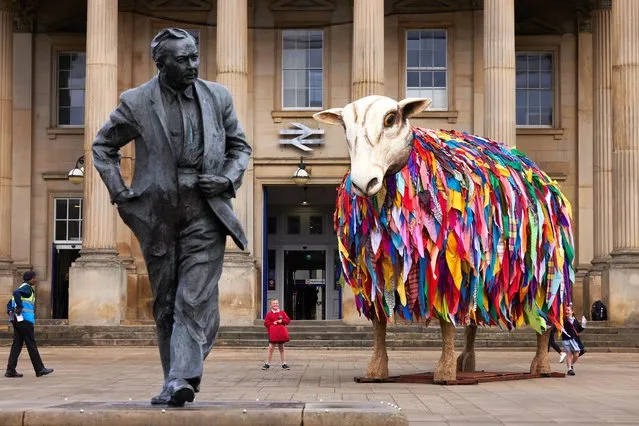
Aina the mother sheep, a 4.5-metre musical sculpture installed in the first decade of July 2023 outside Huddersfield railway station in England as part of Artichoke’s latest project, Herd. She is one of 23 giant handcrafted musical sheep that will appear all over Kirklees this week before joining Aina for a grand finale in Huddersfield on 16 July. (Photo by Christopher Thomond/The Guardian)

Aina the mother sheep, a 4.5-metre musical sculpture installed in the first decade of July 2023 outside Huddersfield railway station in England as part of Artichoke’s latest project, Herd. She is one of 23 giant handcrafted musical sheep that will appear all over Kirklees this week before joining Aina for a grand finale in Huddersfield on 16 July. (Photo by Christopher Thomond/The Guardian)
Details
10 Aug 2023 04:18:00
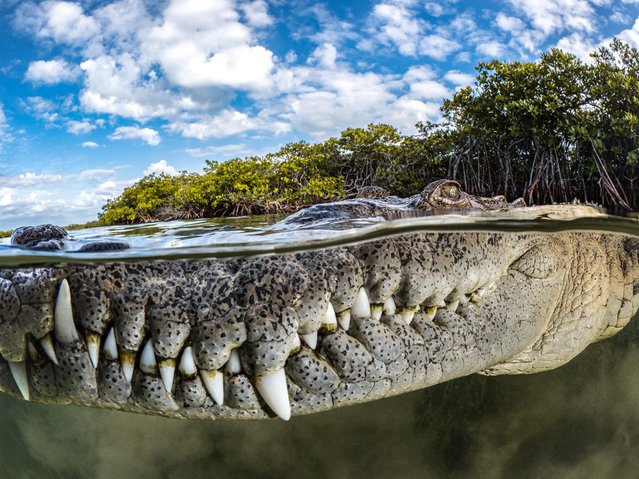
Guardian of the Mangroves – Overall Winner. Tanya Houppermans, Cuba. A curious American crocodile (Crocodylus acutus) swims right up to Tanya, at Gardens of the Queen (Jardines De La Reina), an archipelago off the coast of Cuba. It has been strictly protected since 1996, and is one of the most untouched marine ecosystems in the world. ‍ “The healthy population of American crocodiles is down to the pristine condition of the mangroves and I wanted to capture close ups of this gentle giant in its natural habitat. I hope this image can illustrate that protecting areas like this is so critical”. (Photo by Tanya Griffin Houppermans/Mangrove Photographer of the Year)

Guardian of the Mangroves – Overall Winner. Tanya Houppermans, Cuba. A curious American crocodile (Crocodylus acutus) swims right up to Tanya, at Gardens of the Queen (Jardines De La Reina), an archipelago off the coast of Cuba. It has been strictly protected since 1996, and is one of the most untouched marine ecosystems in the world. ‍ “The healthy population of American crocodiles is down to the pristine condition of the mangroves and I wanted to capture close ups of this gentle giant in its natural habitat. I hope this image can illustrate that protecting areas like this is so critical”. (Photo by Tanya Griffin Houppermans/Mangrove Photographer of the Year)
Details
05 Nov 2022 04:24:00
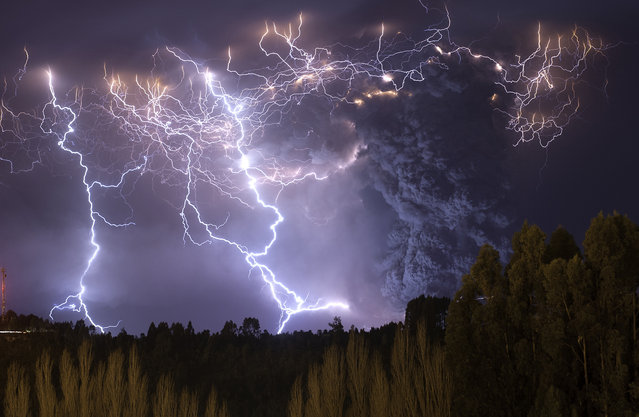
The eruption of Cordon Caulle began on June 4, 2011, located in the Region of Los Rios in Chile. For about 12 months, people and animals became accustomed to living with the daily fall of ash, which also caused problems in the air traffic in South America. The explosions and lightning during first days of the eruption could be seen from hundreds of miles around. This photograph was taken on the second night of eruption from the town of Lago Ranco. (Photo and caption by Francisco Negroni/National Geographic Traveler Photo Contest)

The eruption of Cordon Caulle began on June 4, 2011, located in the Region of Los Rios in Chile. For about 12 months, people and animals became accustomed to living with the daily fall of ash, which also caused problems in the air traffic in South America. The explosions and lightning during first days of the eruption could be seen from hundreds of miles around. This photograph was taken on the second night of eruption from the town of Lago Ranco. (Photo and caption by Francisco Negroni/National Geographic Traveler Photo Contest)

ATTENTION! All pictures are presented in high resolution. To see Hi-Res images – just TWICE click on any picture. In other words, click small picture – opens the BIG picture. Click BIG picture – opens VERY BIG picture.
Details
23 Jun 2013 11:24:00
“Cassowaries are large, flightless birds related to emus and (more distantly) to ostriches, rheas, and kiwis”, writes Olivia Judson in the September issue of National Geographic magazine. (Photo by Christian Ziegler/National Geographic)

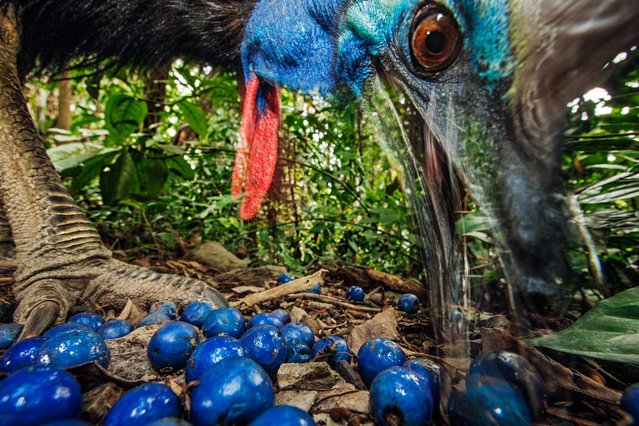
“Cassowaries are large, flightless birds related to emus and (more distantly) to ostriches, rheas, and kiwis”, writes Olivia Judson in the September issue of National Geographic magazine. How large? People-size: Adult males stand well over five foot five and top 110 pounds. Females are even taller, and can weigh more than 160 pounds. Dangerous when roused, they’re shy and peaceable when left alone. But even birds this big and tough are prey to habitat loss. The dense New Guinea and Australia rain forests where they live have dwindled. Today cassowaries might number 1,500 to 2,000. And because they help shape those same forests – by moving seeds from one place to another – “if they vanish”, Judson writes, “the structure of the forest would gradually change” too. (Photo by Christian Ziegler/National Geographic)

Details
06 Jan 2014 12:21:00
Pakistani civil society activists release lanterns into the sky in Lahore on December 15, 2016, as they pay tribute to victims on the second anniversary of an attack on The Army Public School in the city of Peshawar. Taliban militants attacked on Pakistani Army Public School in Peshawar, killing 151 people mostly children on December 16, 2014. (Photo by Arif Ali/AFP Photo)

Pakistani civil society activists release lanterns into the sky in Lahore on December 15, 2016, as they pay tribute to victims on the second anniversary of an attack on The Army Public School in the city of Peshawar. Taliban militants attacked on Pakistani Army Public School in Peshawar, killing 151 people mostly children on December 16, 2014. (Photo by Arif Ali/AFP Photo)
Details
16 Dec 2016 10:52:00