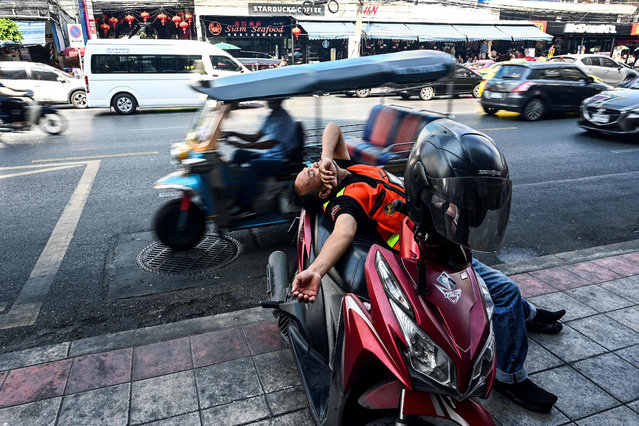
A motorcycle-taxi driver takes a nap while leaning on his bike along a street in Bangkok, Thailand on February 17, 2019. (Photo by Jewel Samad/AFP Photo)
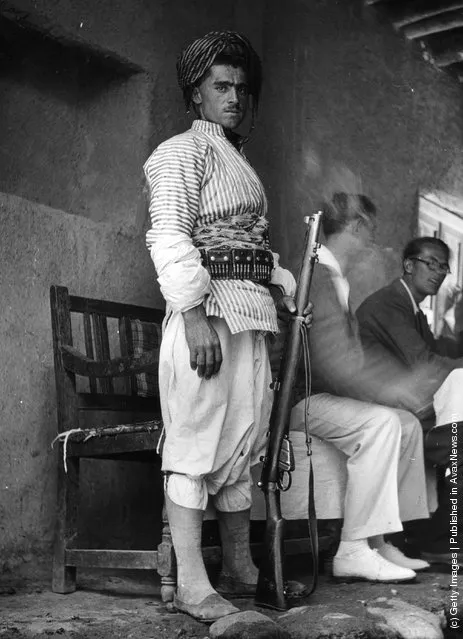
An Iranian soldier guards two German tourists near the Iranian-Turkish border during World War II. Since the British occupation of Iran, all Axis nationals are being expelled from the country. (Photo by Three Lions/Getty Images). Circa 1941
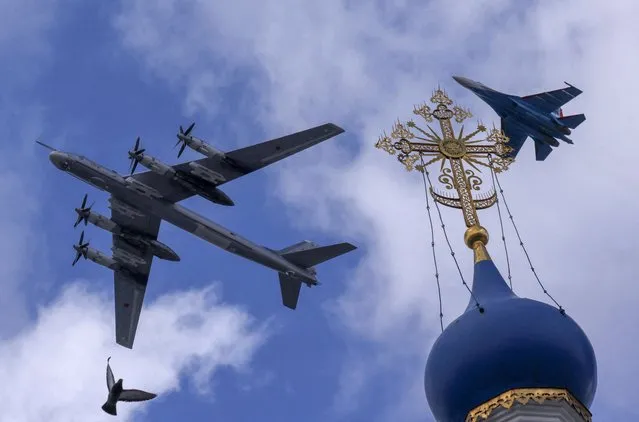
A Russian Su-35S combat aircraft and a Tu-95ms strategic bomber fly in formation above a church during a rehearsal for the flypast, which is part of a military parade marking the anniversary of the victory over Nazi Germany in World War Two, in Moscow, Russia on May 4, 2022. (Photo by Maxim Shemetov/Reuters)
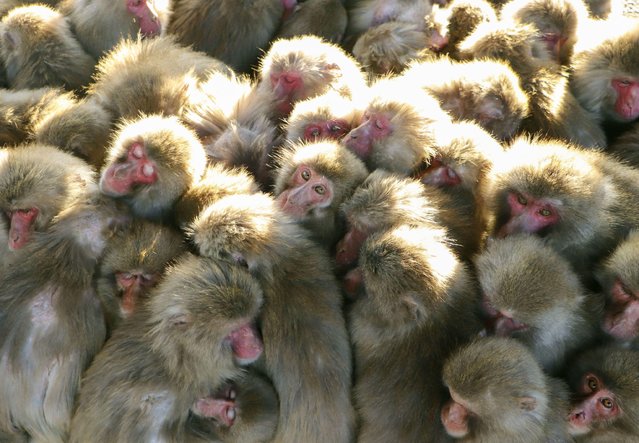
Japanese monkeys snuggle to keep warm at a zoo in Tonosho in Kagawa Prefecture, western Japan on January 24, 2023. (Photo by Kyodo Photo via Newscom/Alamy Live News)
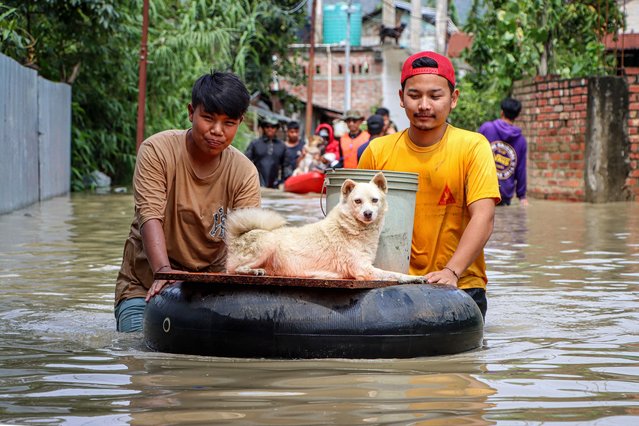
Men carry a dog on an inflated tube as they wade through floodwaters at Kongba in Imphal East on June 3, 2025. Flash floods and landslides after torrential monsoon rain over the last two days killed at least 30 people in India's northeast, officials said on June 1. (Photo by AFP Photo/Stringer)
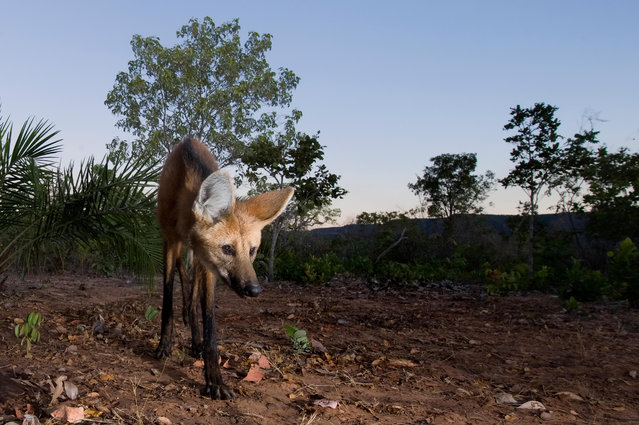
Global wildlife populations will decline by 67% by 2020 unless urgent action is taken to reduce human impact on species and ecosystems, warns the biennial Living Planet Index report from WWF (World Wide Fund for Nature) and ZSL (Zoological Society of London). From elephants to eels, here are some of the wildlife populations most affected by human activity. Here: The maned wolf is among the large mammals in the Brazilian Cerrado that are threatened by the increasing conversion of grasslands into farmland for grazing and growing crops. (Photo by Ben Cranke/Nature Picture Library/Alamy Stock Photo)
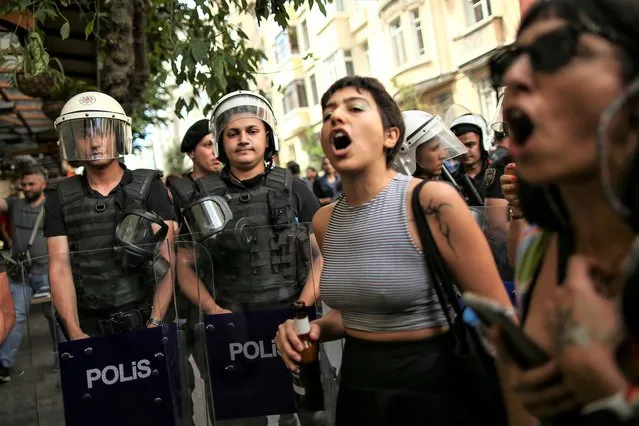
People shout slogans next to Turkish police officers during the LGBTQ Pride March in Istanbul, Turkey, Sunday, June 26, 2022. (Photo by Emrah Gurel/AP Photo)