Loading...
Done
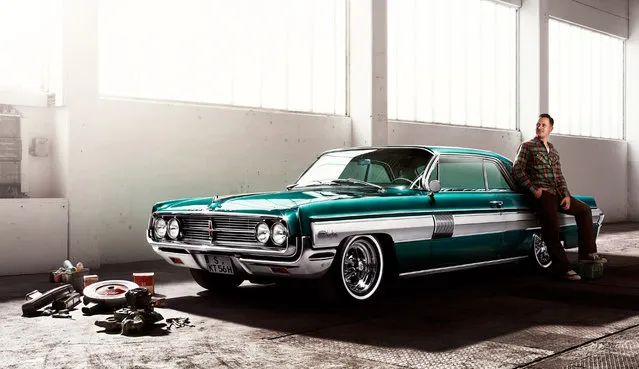
Oldtimer Vintage Cars by Mirko Frank

12 vintage cars, 12 beautiful photos, captured and retouched by Stuttgart based photographer Mirko Frank, create stylish “Oldtimer Calendar”. Each car on photos has its own history and this history is also described in a few words in this calendar. Great calendar, don’t you think?
Details
21 Jun 2015 10:31:00
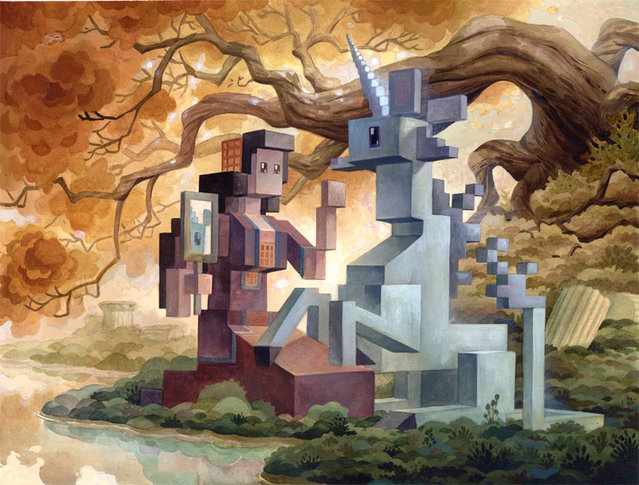
Pixelated Wilderness Illustrations

These Laura Bifano “Menagerie” images will surely mess with your eyes as you begin to lose sight of what’s real and what’s virtual. Inspired by her love of nature and of video game graphics, this artist made a unique collection of painted, pixelated animals, fusing the two distinct aesthetics in a harmonious and breathtaking manner.
Details
29 Nov 2012 10:31:00
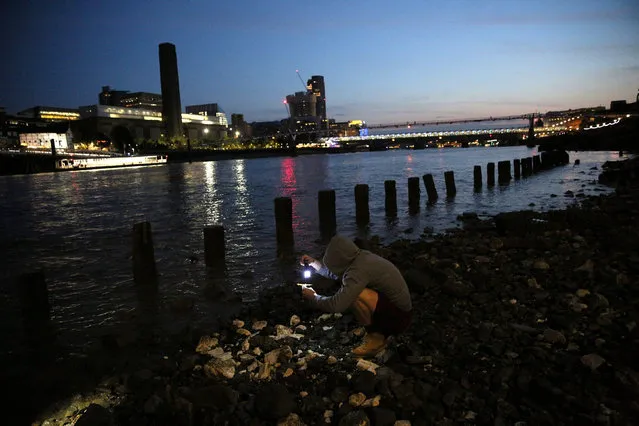
A mudlark uses a torch to look for items on the bank of the River Thames in London, Britain June 06, 2016. Mudlarking is believed to trace its origins to the 18th and 19th century, when scavengers searched the Thames' shores for items to sell. These days, history and archaeology fans are the ones hoping to find old relics such as coins, ceramics, artifacts or everyday items from across centuries. They wait for the low tide and then scour specific areas of exposed shores. "If you're in a field you could be out all day long, with the river you're restricted to about two or three hours," mudlark Nick Stevens said. While many just use the naked eye for their searches, others rely on metal detectors for which a permit from the Port of London Authority is needed. Digging also requires consent. (Photo by Neil Hall/Reuters)

A mudlark uses a torch to look for items on the bank of the River Thames in London, Britain June 06, 2016. Mudlarking is believed to trace its origins to the 18th and 19th century, when scavengers searched the Thames' shores for items to sell. These days, history and archaeology fans are the ones hoping to find old relics such as coins, ceramics, artifacts or everyday items from across centuries. their finds with the Portable Antiquities Scheme. Any item over 300 years old must be recorded. (Photo by Neil Hall/Reuters)
Details
27 Aug 2016 10:43:00
Squash-Faced Cat Dressed as Super Hero

When the city is in need, these superhero cats will do everything they can to help (i.e. look on indifferently then passive-aggressively poop on the bed).
Details
29 Jul 2012 10:08:00


A lesser or red panda stands on its hind legs at Chiba Zoological Park on May 20, 2005 in Chiba, Japan. The panda can maintain the position for over 10-20 seconds at a time. (Photo by Koichi Kamoshida/Getty Images)
Details
26 Jun 2011 10:20:00
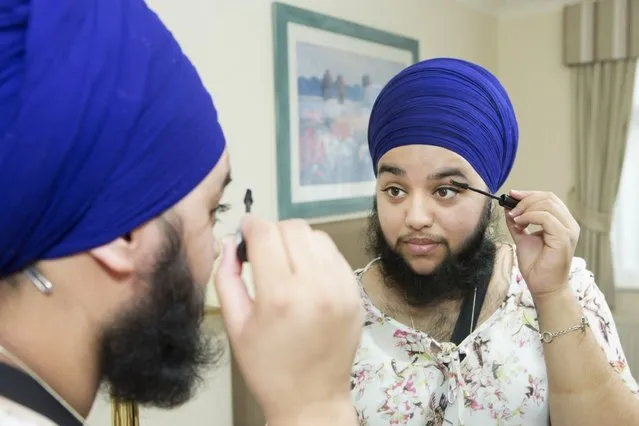
 "Woman Who Is Growing A Beard"

Harnaam Kaur has polycystic ovary syndrome, which can cause excessive hair growth. She was just 11 years old when a beard started to appear on her face and the hair quickly spread to her chest and arms.
Details
02 Sep 2014 10:43:00
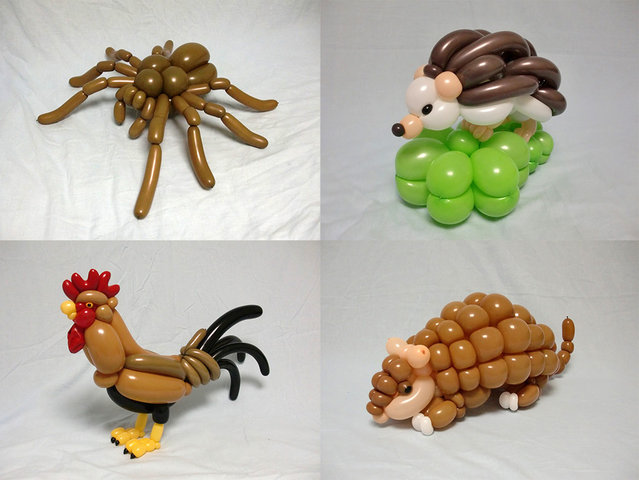
Balloon Sculptures By Masayoshi Matsumoto

25-year-old Masayoshi Matsumoto is a Japanese artist that creates incredible animals out of balloons. From birds to insects, the artist’s designs can involve dozens of variously sized balloons in an assortment of shapes. For more be sure to check out his creative artworks at the links below.
Details
09 Aug 2015 13:12:00
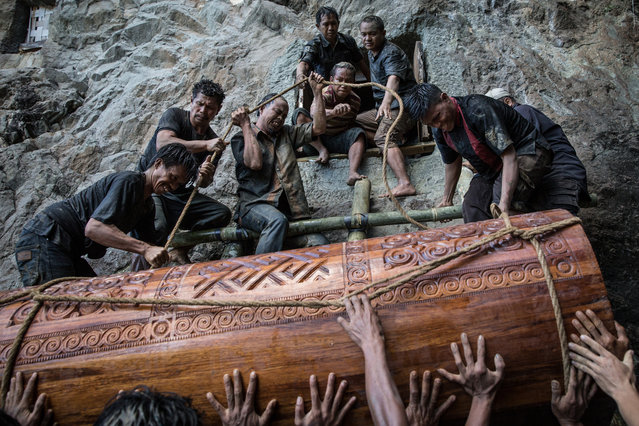
It is said that Torajans are people who “live to die”. For this Indonesian ethnic group, funerals are such extravagant events that they sometimes attract tourists. Families can postpone burials years (and the deceased are considered sick and hosted at home until the funeral) until the family can raise enough money and gather as many relatives as possible. And then it’s a jubilant multiday social event with a parade, dances and animal sacrifices. Agung Parameswara photographed these funerary practices when he traveled to South Sulawesi province, where the Torajans live. But often, their funeral isn’t the last time the dead are seen. In August, crypts are opened, coffins are slid back out and bodies delicately unsheathed. This tender ritual is known as Ma’Nene, which is customarily performed every few years. (Photo by Agung Parameswara/The Washington Post)

It is said that Torajans are people who “live to die”. For this Indonesian ethnic group, funerals are such extravagant events that they sometimes attract tourists. Families can postpone burials years (and the deceased are considered sick and hosted at home until the funeral) until the family can raise enough money and gather as many relatives as possible. And then it’s a jubilant multiday social event with a parade, dances and animal sacrifices. Agung Parameswara photographed these funerary practices when he traveled to South Sulawesi province, where the Torajans live. (Photo by Agung Parameswara/The Washington Post)
Details
06 Oct 2016 09:15:00