Loading...
Done
Oil Paintings By Paul David Bond

Paul Bond's art lives in the spaces between dreaming and reality. Drawing from the Latin American genre of Magic Realism where symbolic, surreal and fantastic elements blend with realistic atmospheres, they remove the veil on a world where everything is possible.
Details
31 May 2013 15:58:00
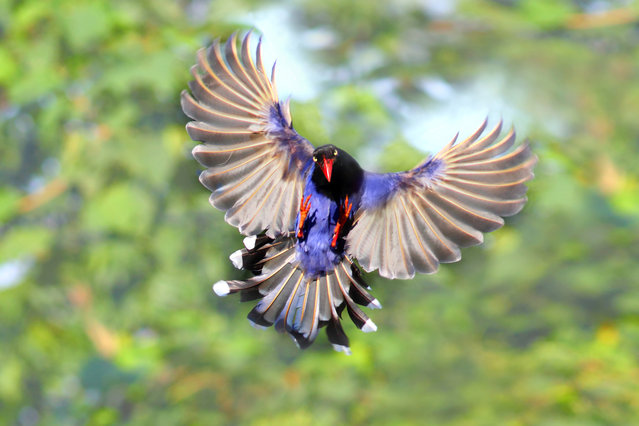
Taiwan Blue Magpie

The Taiwan Blue Magpie (Urocissa caerulea), also called the Taiwan Magpie or Formosan Blue Magpie, is a member of the Crow family. It is an endemic species living in the mountains of Taiwan at elevations of 300 to 1200m.
Details
19 Jun 2013 10:08:00
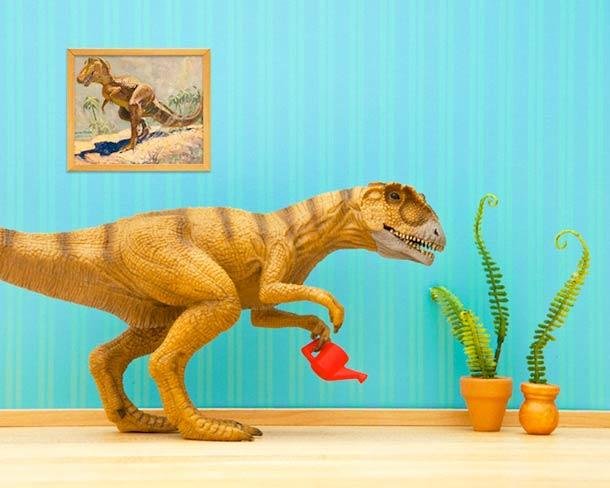
Wild Life By Jeff Friesen: Animals Meet Interiors

Canadian photographer Jeff Friesen has created an adorable photo series that depicts the imaginary lives of plastic toy animals.
Details
24 Jun 2013 10:38:00
Illustration by Chase Stone

Chase Stone has been working as a freelance illustrator and concept artist for several years. His work has been featured at the Society of Illustrators and in various publications such as 2dartist Magazine, Digital Masters, and Digital Painting Techniques. Stone now lives and works in NYC.
Details
24 Feb 2014 12:26:00


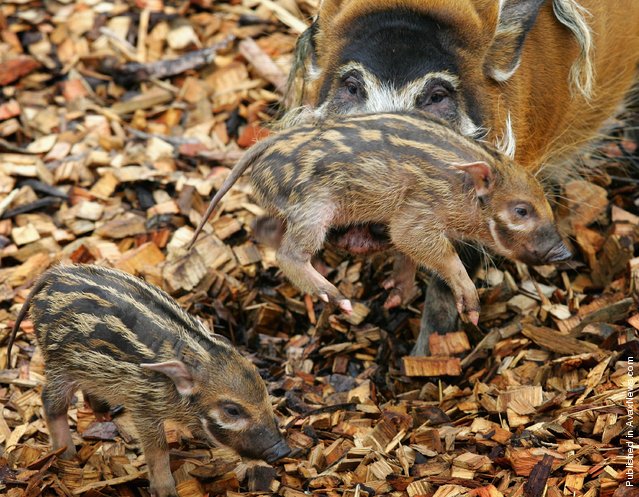
“The Red River Hog (Potamochoerus porcus), also known as the Bush Pig (but not to be confused with P. larvatus, common name “Bushpig”), is a wild member of the pig family living in Africa, with most of its distribution in the Guinean and Congolian forests. It is rarely seen away from rainforests, and generally prefers areas near rivers or swamps.

Red River Hogs eat grass, berries, roots, insects, molluscs, small vertebrates and carrion. They are capable of causing damage to plantations. Red River Hogs typically live in herds of 6-20 members led by a dominant boar. Sows rear 3-6 piglets at a time.”

Photo: Two 17 day old red river hoglet twins forage for food next to their mother Bahiti at London Zoo on August 23, 2007 in London, England. Red River hoglets inhabit the forests and swamps of West and Central Africa. The recent additions to the London Zoo pig pen have been eagerly awaited by zoo keepers. (Photo by Chris Jackson/Getty Images)

Details
18 Mar 2011 15:15:00
Katjinga, a Rhodesian ridgeback dog who lives on a 20-acre farm in Germany, adopted an abandoned pot-bellied piglet in August 2009. The tiny black piglet, named Paulinchen, had been so small at birth that her mother likely overlooked it. Katjinga's owner, Roland Adam, found the piglet alone and cold and brought it to his 8-year-old dog

Katjinga, a Rhodesian ridgeback dog who lives on a 20-acre farm in Germany, adopted an abandoned pot-bellied piglet in August 2009. The tiny black piglet, named Paulinchen, had been so small at birth that her mother likely overlooked it. Katjinga's owner, Roland Adam, found the piglet alone and cold and brought it to his 8-year-old dog. (Photo by Fame Pictures)
Details
23 Apr 2012 13:45:00
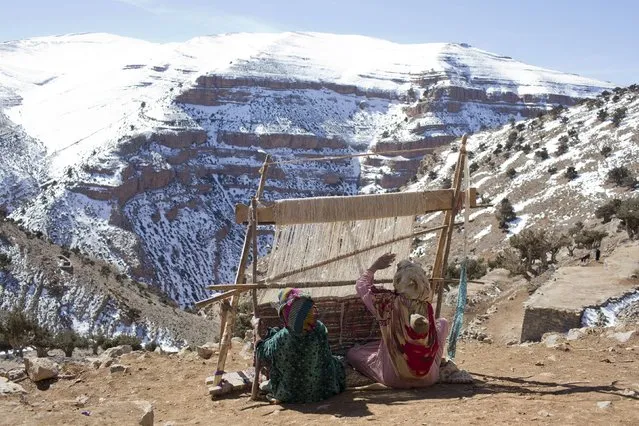
Berber women weave traditional carpets in the village of Ait Sghir in the High Atlas region of Morocco February 15, 2015. The snowy foothills of the High Atlas mountains in Morocco are home to several Berber villages where the inhabitants make their living by farming, baking bread in traditional ovens, herding cattle, and the making and selling of honey, olive oil and pottery. Extreme weather fluctuations and erosion that causes flooding and landslides have led to a drop in agricultural productivity, the United Nations said. (Photo by Youssef Boudlal/Reuters)

Berber women weave traditional carpets in the village of Ait Sghir in the High Atlas region of Morocco February 15, 2015. The snowy foothills of the High Atlas mountains in Morocco are home to several Berber villages where the inhabitants make their living by farming, baking bread in traditional ovens, herding cattle, and the making and selling of honey, olive oil and pottery. Extreme weather fluctuations and erosion that causes flooding and landslides have led to a drop in agricultural productivity, the United Nations said. (Photo by Youssef Boudlal/Reuters)
Details
26 Feb 2015 06:07:00
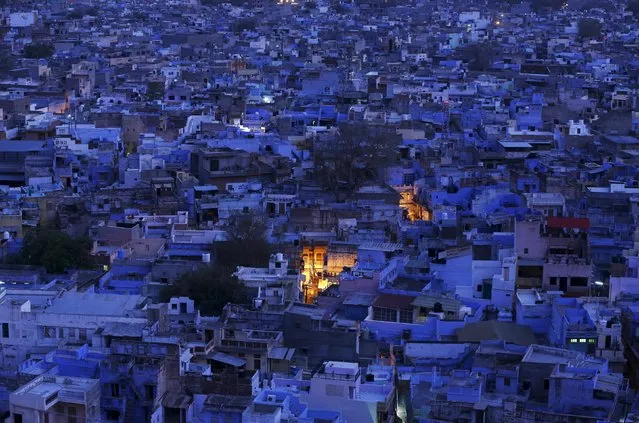
A general view of the residential area is pictured during dusk at Jodhpur in Rajasthan, April 5, 2015. Jodhpur, also known as the blue city in the desert Indian state of Rajasthan, which residents say originally, was used to show where the highest caste of priestly Hindus live, who wanted to set them apart from the rest of the population. Later the rest of the population followed suit. Another reason for the city to be blue is to keep the buildings cool during the summers, local residents said. (Photo by Adnan Abidi/Reuters)

A general view of the residential area is pictured during dusk at Jodhpur in Rajasthan, April 5, 2015. Jodhpur, also known as the blue city in the desert Indian state of Rajasthan, which residents say originally, was used to show where the highest caste of priestly Hindus live, who wanted to set them apart from the rest of the population. Later the rest of the population followed suit. Another reason for the city to be blue is to keep the buildings cool during the summers, local residents said. (Photo by Adnan Abidi/Reuters)
Details
12 Apr 2015 08:27:00