Loading...
Done
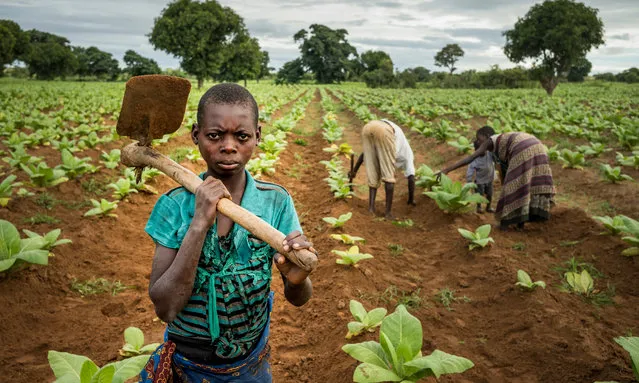
Tiyamike Phiri hopes to become a nurse because she wants to travel the country and help others. (Photo by David Levene/The Guardian)

Life as tenant farmers in Kasungu, northern Malawi, can be a struggle for families trapped in poverty, who feel forced to rely on their children’s help, impacting schooling. Here: A tobacco field at a farm in Kasungu region, Malawi. Tobacco is the country’s most important export crop, with tobacco leaf from Malawi filling cigarettes found all over the world. Here: Tiyamike Phiri hopes to become a nurse because she wants to travel the country and help others. (Photo by David Levene/The Guardian)
Details
27 Jun 2018 00:05:00
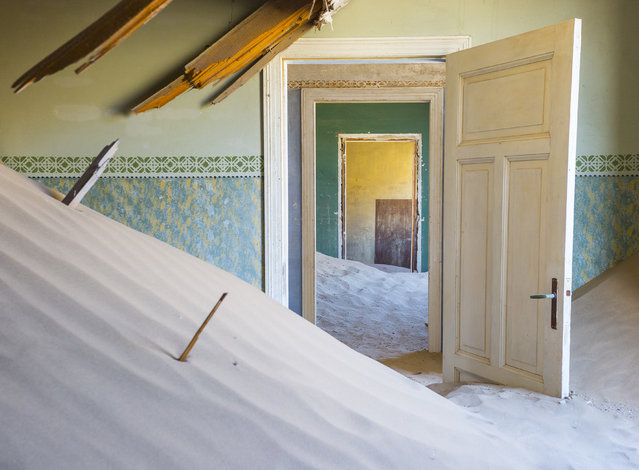
Kolmankop, an abandoned mining town in Namibia. (Photo by David Ogden/Caters News)

These sand-swept images show the ghostly remains of what was once a mineral-rich mining community. In its heyday, the town of Kolmanskop, Namibia, was home to about 700 families. Now all that remains are empty homes filled with sand, while cast-off items such as bathtubs are scattered about the surrounding area. Over time, the sand of the stunning dunes that encircle the town of Kolmanskop has been blown towards the abandoned residences, coating everything from streets to the interiors of houses and workshops. Here: Kolmankop, an abandoned mining town in Namibia. (Photo by David Ogden/Caters News)
Details
13 Mar 2016 09:31:00
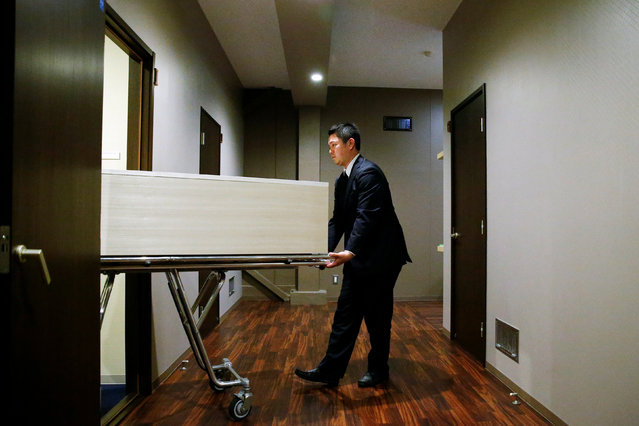
A staff member removes a coffin from a room of the “Corpse Hotel” in Kawasaki, Japan, April 20, 2016. (Photo by Thomas Peter/Reuters)

A staff member removes a coffin from a room of the “Corpse Hotel” in Kawasaki, Japan, April 20, 2016. Many so-called corpse hotels have emerged as a flourishing business in the city following a crunch in crematoriums. Families can rent a room in Sousou on a daily charge of 9,000 Japanese yen (£58, €74, $84) to keep the body of the deceased relative for up to four days until they find a crematorium. (Photo by Thomas Peter/Reuters)
Details
30 Apr 2016 09:46:00
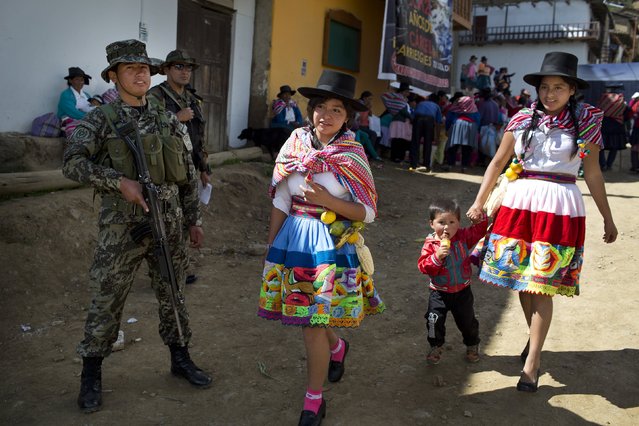
Women walk next to soldiers in Surcubamba, Peru, Thursday, May 21, 2015. (Photo by Rodrigo Abd/AP Photo)

Women walk next to soldiers in Surcubamba, Peru, Thursday, May 21, 2015. The Joint Command of the Peruvian Armed Forces organized a humanitarian mission to Surcubamba, where health care was provided to families from nearby villages in this region called VRAEM, the acronym for Valley of the Apurimac, Ene and Mantaro rivers, where sixty percent of Peru's cocaine originates. (Photo by Rodrigo Abd/AP Photo)
Details
24 May 2015 09:38:00
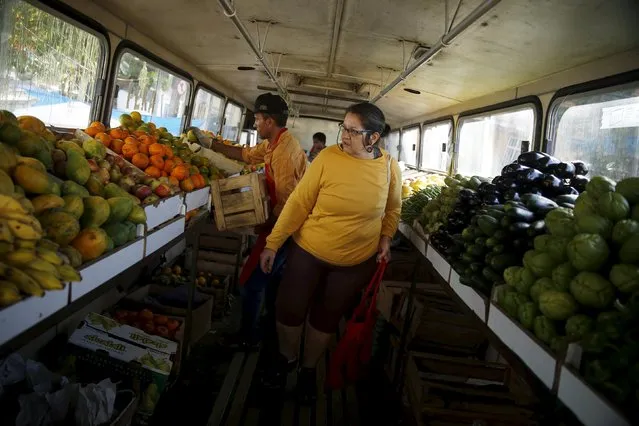
A woman looks for fruits to buy inside a bus called Sacolao in Santa Teresa neighborhood in Rio de Janeiro, Brazil, July 7, 2015. (Photo by Pilar Olivares/Reuters)

A woman looks for fruits to buy inside a bus called Sacolao in Santa Teresa neighborhood in Rio de Janeiro, Brazil, July 7, 2015. The bus, which began operating as a municipal initiative but has been taken over by a private enterprise, arrives every week in some neighborhoods to facilitate families with their grocery shopping and sells food at an affordable price, according to sellers. (Photo by Pilar Olivares/Reuters)
Details
08 Jul 2015 11:52:00
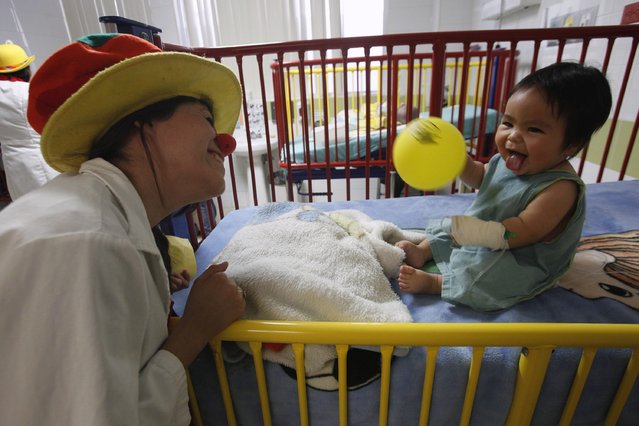
A member of “Laughter Doctors of Ciudad Juarez” performs at a children's hospital in Ciudad Juarez March 11, 2015. (Photo by Jose Luis Gonzalez/Reuters)

A member of “Laughter Doctors of Ciudad Juarez” performs at a children's hospital in Ciudad Juarez March 11, 2015. Through clown performances, music and interactive activities, the group of doctors visit different hospitals throughout the border city, using laughter to help aid the recovery of young and elderly patients suffering from serious illness or injury, as well as provide hope for the hospitalized patients and their families, local media reported. (Photo by Jose Luis Gonzalez/Reuters)
Details
15 Mar 2015 06:23:00

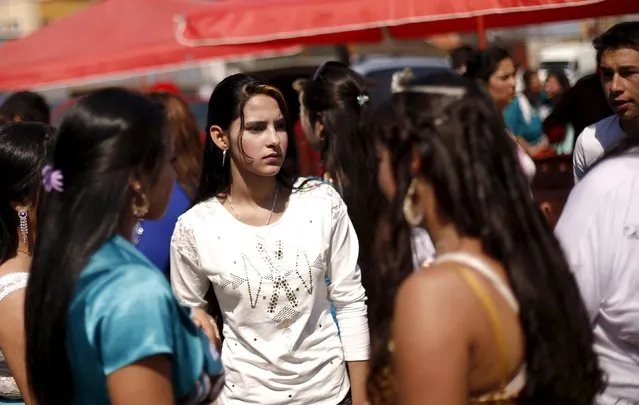
Bulgarian Roma women from the close-knit Kalaidjii clan attend a so-called “bride fair” in a suburb of the city of Plovdiv April 13, 2015. (Photo by Stoyan Nenov/Reuters)

Bulgarian Roma women from the close-knit Kalaidjii clan attend a so-called “bride fair” in a suburb of the city of Plovdiv April 13, 2015. Each year Roma families from the close-knit Kalaidjii clan gather during what they call a “bride fair”, an event offering parents a chance to meet and to arrange marriages for their children. (Photo by Stoyan Nenov/Reuters)
Details
14 Apr 2015 10:59:00
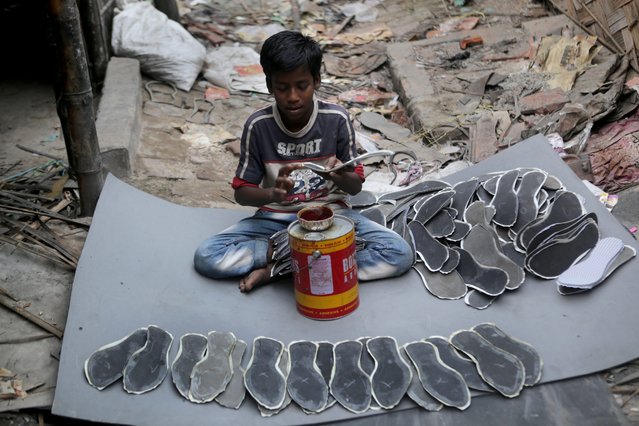
Indian boy Hassan Malik works in a leather shoe factory at Topsia in Calcutta, eastern India, 19 November 2013. (Photo by Piyal Adhikary/EPA)

Indian boy Hassan Malik works in a leather shoe factory at Topsia in Calcutta, eastern India, 19 November 2013. The leather industry occupies an important place in the Indian economy. It is an employment intensive sector with a vast potential for growth and exports but also a pollution intensive industry that relies on cheap labor. One of the major production centers for leather and leather products is located in Calcutta, West Bengal. Hundreds of tanneries are operated in the city’s Tiljala, Topsia and Tangra districts. They are mostly run by local families living and working under poor conditions. (Photo by Piyal Adhikary/EPA)
Details
20 Mar 2014 09:40:00