Loading...
Done
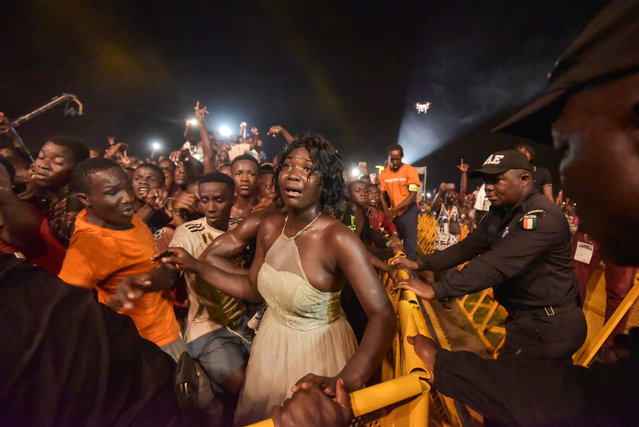
Ivorian police officers of the Anti-Riot Brigade (BAE) contain the crowd during a performance by French rapper Okou Armand Gnakouri known as Kaaris during the Festival of Urban Music of Anoumabo (Femua) in Abidjan on April 28, 2019. The performance of French-Ivorian rapper Kaaris at the Festival of Urban Music of Anoumabo (Femua) in Abidjan escalated into violence after a crowd surge, causing some minor injuries, according to an AFP journalist at the concert. (Photo by Sia Kambou/AFP Photo)

Ivorian police officers of the Anti-Riot Brigade (BAE) contain the crowd during a performance by French rapper Okou Armand Gnakouri known as Kaaris during the Festival of Urban Music of Anoumabo (Femua) in Abidjan on April 28, 2019. The performance of French-Ivorian rapper Kaaris at the Festival of Urban Music of Anoumabo (Femua) in Abidjan escalated into violence after a crowd surge, causing some minor injuries, according to an AFP journalist at the concert. (Photo by Sia Kambou/AFP Photo)
Details
30 Apr 2019 00:07:00
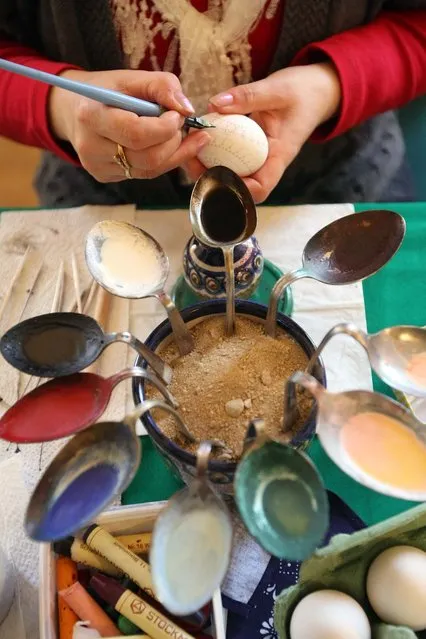
A Sorb egg painter decorates an Easter egg while using bent spoons full of melted wax as coloring at the annual Easter egg market on March 16, 2013 in Schleife, Germany. Easter is a particularly important time of year for Sorbs, a Slavic minority in eastern Germany, and the period includes the tradition of painting Easter eggs that include visual elements intended to ward off evil. Many Sorbs still speak Sorbian, a language closely related to Polish and Czech.  (Photo by Adam Berry)

A Sorb egg painter decorates an Easter egg while using bent spoons full of melted wax as coloring at the annual Easter egg market on March 16, 2013 in Schleife, Germany. Easter is a particularly important time of year for Sorbs, a Slavic minority in eastern Germany, and the period includes the tradition of painting Easter eggs that include visual elements intended to ward off evil. Many Sorbs still speak Sorbian, a language closely related to Polish and Czech. (Photo by Adam Berry)
Details
19 Mar 2013 06:41:00
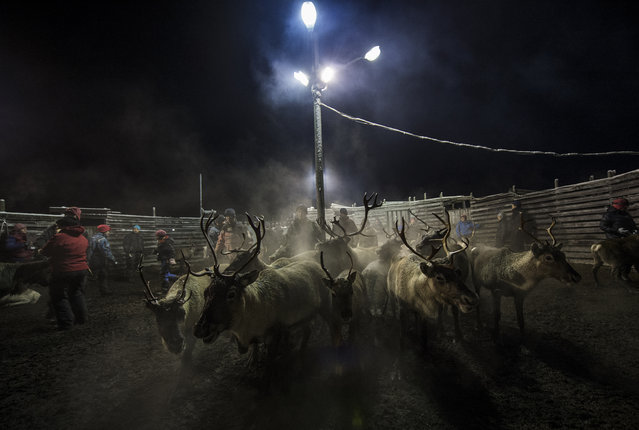
Sami people from the Vilhelmina Norra Sameby, gather their reindeers herd in a corral for selection and calf labelling on October 27, 2016 near the village of Dikanaess, about 800 kilometers north-west of the capital Sweden. (Photo by Jonathan Nackstrand/AFP Photo)

Sami people from the Vilhelmina Norra Sameby, gather their reindeers herd in a corral for selection and calf labelling on October 27, 2016 near the village of Dikanaess, about 800 kilometers north-west of the capital Sweden. Sweden's Sami reindeer herders have more than hungry predators to worry about in the cold night, as the indigenous minority moves its flock to the winter pasture in the Nordic tundra. (Photo by Jonathan Nackstrand/AFP Photo)
Details
23 Nov 2016 12:26:00
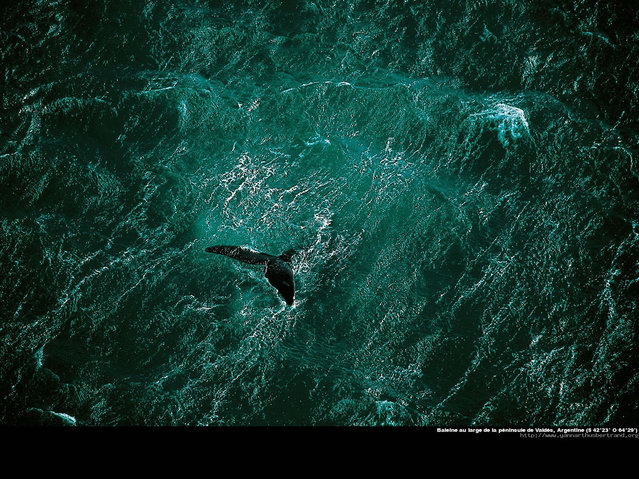
Amazing Photos by Yann Arthus-Bertrand. Part One

Yann Arthus-Bertrand (born March 13, 1946 in Paris) is a French photographer, journalist, reporter and environmentalist.
Details
20 Aug 2012 11:07:00
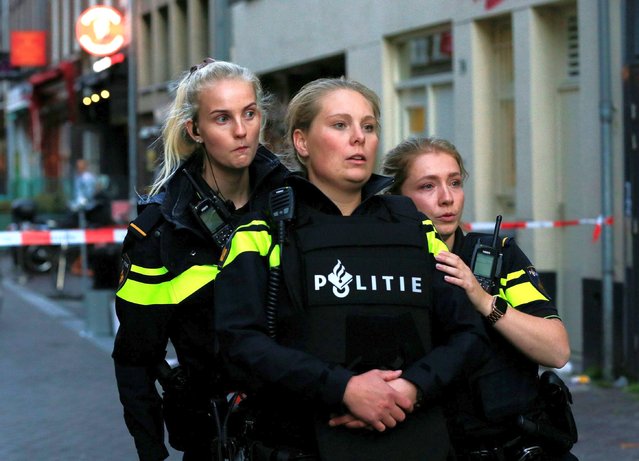
Police officers look on as they stand guard to secure the area where Dutch celebrity crime reporter Peter R. de Vries, known for his reporting on some of the most renowned criminals in the Netherlands, was reportedly shot and seriously injured, in Amsterdam, Netherlands, July 6, 2021. (Photo by Eva Plevier/Reuters)

Police officers look on as they stand guard to secure the area where Dutch celebrity crime reporter Peter R. de Vries, known for his reporting on some of the most renowned criminals in the Netherlands, was reportedly shot and seriously injured, in Amsterdam, Netherlands, July 6, 2021. (Photo by Eva Plevier/Reuters)
Details
07 Jul 2021 09:38:00
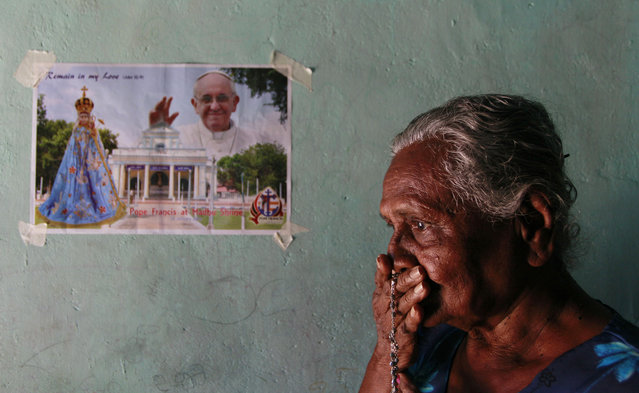
In this Wednesday, January 7, 2015 photo, a Sri Lankan Catholic devotee Rita Anthony kisses her rosary as she prays inside her house in Colombo, Sri Lanka. The Vatican has said that it hopes that Sri Lanka's Christians can play a role in helping heal the wounds of the island nation's bloody 25-year civil war, when the Tamil Tiger rebels fought to create a separate homeland in the north for the minority Tamils, who are mostly Hindu. (Photo by Eranga Jayawardena/AP Photo)

In this Wednesday, January 7, 2015 photo, a Sri Lankan Catholic devotee Rita Anthony kisses her rosary as she prays inside her house in Colombo, Sri Lanka. The Vatican has said that it hopes that Sri Lanka's Christians can play a role in helping heal the wounds of the island nation's bloody 25-year civil war, when the Tamil Tiger rebels fought to create a separate homeland in the north for the minority Tamils, who are mostly Hindu. The war came to a bloody end in 2009, but many Tamils say they feel forgotten by the central government, which is dominated by the country's ethnic Sinhala majority, which is overwhelmingly Buddhist. Sri Lanka's Christians come from both the Tamil and the Sinhala communities, making them a natural bridge between the two sides. (Photo by Eranga Jayawardena/AP Photo)
Details
11 Jan 2015 13:40:00
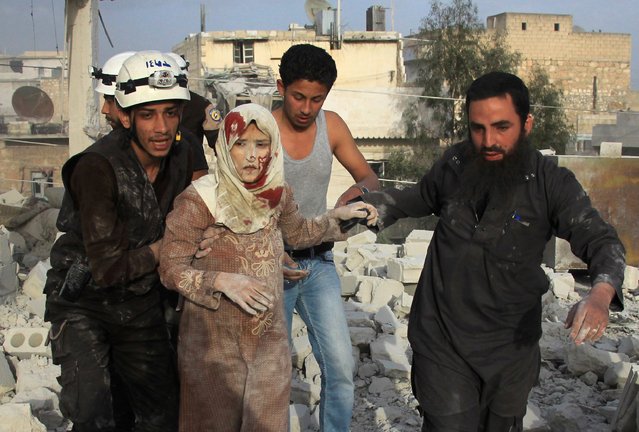
Syrian rescue workers and residents help an injured woman following a reported air strike by government forces on the rebel-held neighbourhood of Haydariya in the northern city of Aleppo on April 10, 2016. (Photo by Thaer Mohammed/AFP Photo)

Syrian rescue workers and residents help an injured woman following a reported air strike by government forces on the rebel-held neighbourhood of Haydariya in the northern city of Aleppo on April 10, 2016. (Photo by Thaer Mohammed/AFP Photo)
Details
12 Apr 2016 11:21:00
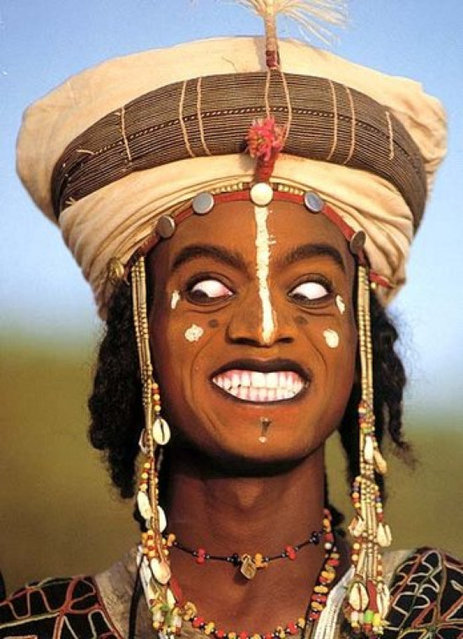
Beauty_By_Fulani

Fula people or Fulani or Fulbe are an ethnic group spread over many countries, predominantly in West Africa, but found also in Central Africa and Sudanese North Africa. African countries where they are present include Mauritania, Ghana, Senegal, Guinea, The Gambia, Mali, Nigeria, Sierra Leone, Benin, Burkina Faso, Guinea Bissau, Cameroon, Côte d'Ivoire, Niger, Chad, Togo, the Central African Republic, Liberia, and as far as Sudan and Egypt in the East. Fula people form a minority in every country they inhabit, but in Guinea they represent a plurality of the population (40%).
Details
25 Sep 2012 10:17:00