Loading...
Done
Magdalena Neune

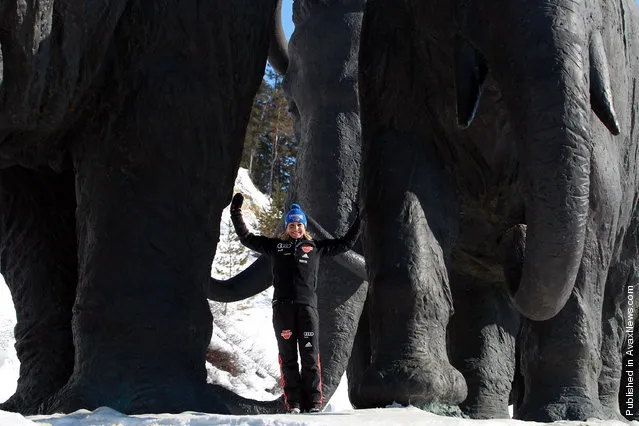
Magdalena Neuner poses in front of mammoth figures during a photocall of the German Biathlon Woman Team at the Archeopark on March 10, 2011 in Khanty-Mansiysk, Russia. On the territory of Archeopark are mammoth sculptural compositions, made of bronze. Mammoths lived in Ugra 70-10 thousand years ago and were members of the Pleistocene, or also called 'the mammoth fauna’. The growth figures exceed the natural factor 2-3 times.
Details
10 Mar 2011 14:09:00
Rhodochrosite - The Mineral And Gemstone Kingdom

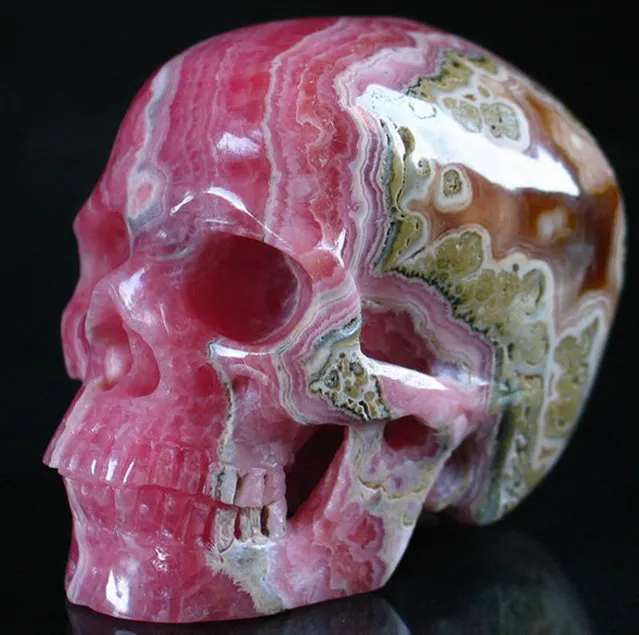
Rhodochrosite is a manganese carbonate mineral with chemical composition MnCO3. In its (rare) pure form, it is typically a rose-red color, but impure specimens can be shades of pink to pale brown. It streaks white, and its Mohs hardness varies between 3.5 and 4. Its specific gravity is between 3.5 and 3.7. It crystallizes in the trigonal system, and cleaves with rhombohedral carbonate cleavage in three directions.
Details
30 Sep 2014 10:25:00
Nicholas Mee And Co, Aston Martin Heritage

Nicholas Mee & Co, an Aston Martin Heritage Dealer in West London, have just finished putting the final touches to a fully functional kid-sized car inspired by the legendary Aston Martin DB models of the 1960s. But this is no rickety pedal car. It has a steel chassis, composite bodywork, leather seats, a wood rimmed steering wheel and Brembo disc brakes.
Details
20 Mar 2014 15:00:00
Castles Etched on Grains of Sand

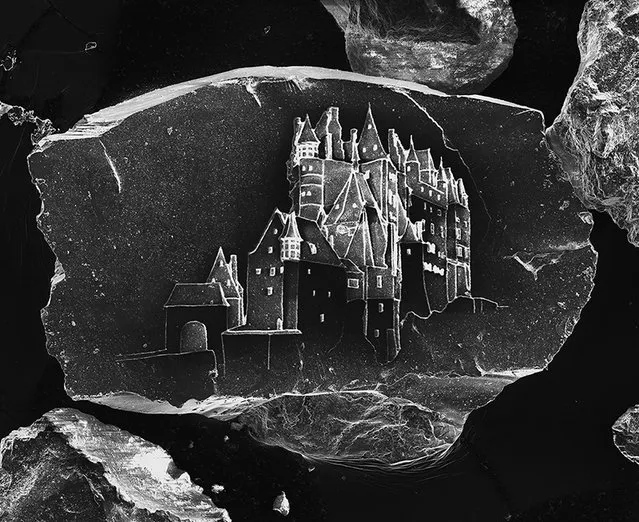
Artist Vik Muniz is known for his gigantic composite installations and sculptures created from thousands of individual objects. In this new collaboration with artist and MIT researcher Marcelo Coelho, Muniz takes the opposite approach and explores the microscopic with a new series of sandcastles etched onto individual grains of sand.
Details
13 Apr 2014 08:55:00
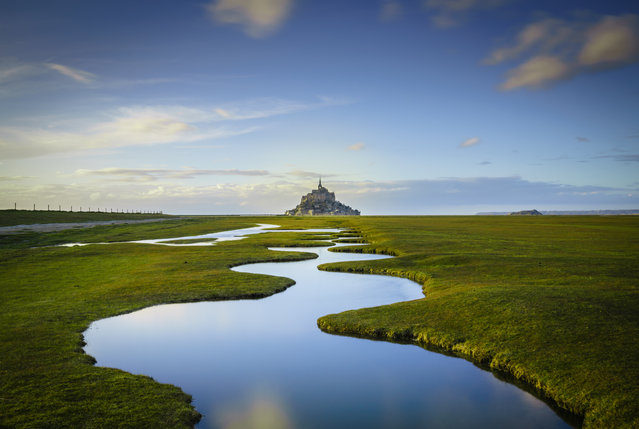
Overall winner. Mont Saint-Michel by Daniel Burton. (Photo by Daniel Burton/The Guardian)

The Historic Photographer of the Year awards celebrate historic places and cultural sites across the globe, from national treasures to hidden gems. Entries were judged on originality, composition and technical proficiency as well as the story that inspired the submission and its historical impact. Here: Overall winner. Mont Saint-Michel by Daniel Burton. (Photo by Daniel Burton/The Guardian)
Details
30 Nov 2018 00:05:00
Alphabets Photographer By Bela Borsodi

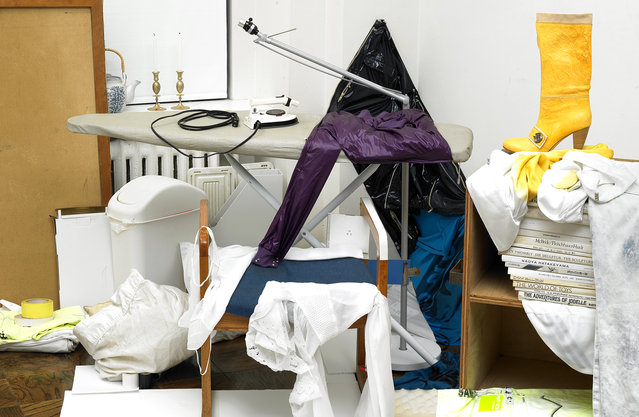
Bela Bordosi is not the first person to arrange various household objects into the shape of the letters and making photos, and he’s definitely not the last. However, the way he does it is definitely very distinct and original. Sure, some photos are most definitely staged. However, some letters just pop out of the picture that doesn’t look staged at all. As if by chance, the items create a vivid “A” in your mind, so vivid that it’s very hard to notice the individual items that were used in the making of this composition. The reason behind it is probably because Bela Bordosi’s other photos are optical illusions created using a similar method. (Photo by Bela Borsodi)
Details
22 Oct 2014 13:41:00
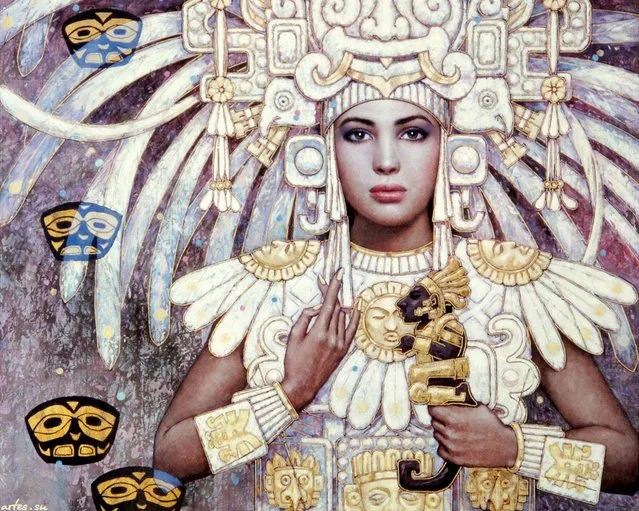
Drawing By Karl Bang

Karl Bang's paintings are unique because he combines totally different styles of painting within the same format. It is very difficult to design a balanced composition with realistic elements that are juxtaposed with flat colors and patterns. The faces of his subjects are painted realistically in the Western tradition with subtle gradations of color; while, his figures and costumes vignette into abstracted shapes, lines, flat colors and patterns that reflect Karl's background in China. It is as though there are different visual languages being spoken within his paintings.
Details
30 Jul 2013 09:16:00
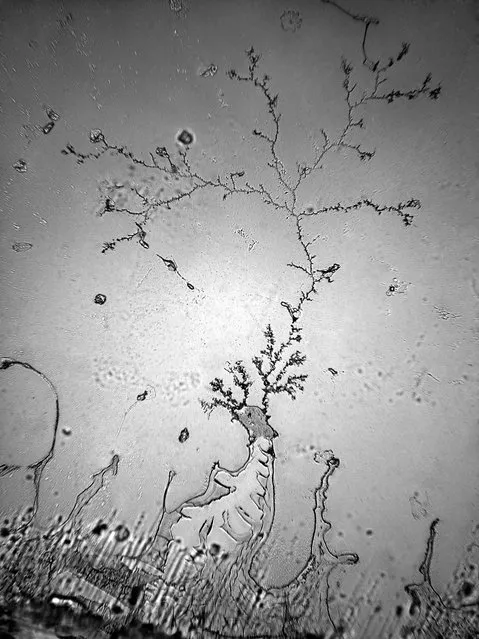
The Topography Of Tears By Rose-Lynn Fisher

Do tears of joy look the same as ones of woe—or ones from chopping onions? In “The Topography of Tears,” the Los Angeles-based photographer Rose-Lynn Fisher explores the physical terrain of one hundred tears emitted during a range of emotional states and physical reactions. Using a Zeiss microscope with an attached digital camera, she captures the composition of tears enclosed in glass slides, magnified between 10x and 40x. “There are many factors that determine the look of each tear image, including the viscosity of the tear, the chemistry of the weeper, the settings of the microscope, and the way I process the images afterwards,” she says.
Details
21 May 2014 17:46:00