Loading...
Done
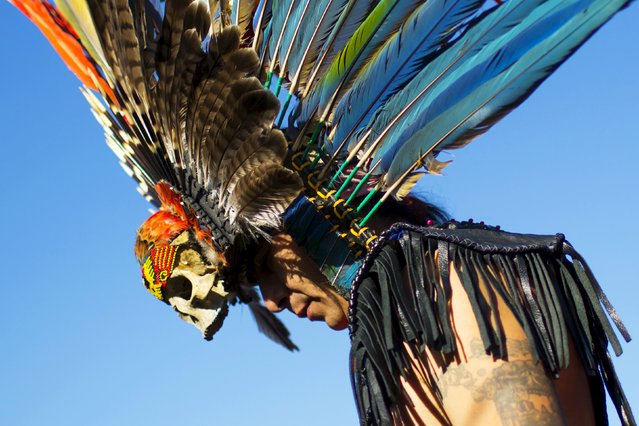
A reveller gets ready to dance during a "pow-wow" celebrating the Indigenous Peoples Day Festival in Randalls Island, New York, October 11, 2015. (Photo by Eduardo Munoz/Reuters)

A reveller gets ready to dance during a "pow-wow" celebrating the Indigenous Peoples Day Festival in Randalls Island, New York, October 11, 2015. The festival is held as a counter-celebration to Columbus Day and is to promote Native American culture and history. (Photo by Eduardo Munoz/Reuters)
Details
15 Oct 2015 08:03:00
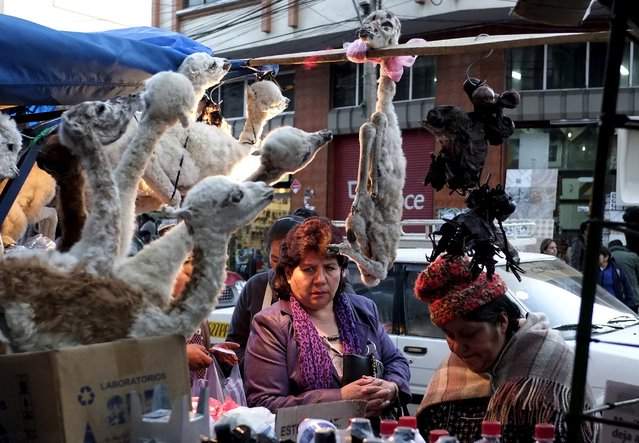
A woman (C) shops for an offering at the witch doctor's street in La Paz, July 31, 2015. (Photo by David Mercado/Reuters)

A woman (C) shops for an offering at the witch doctor's street in La Paz, July 31, 2015. According to Andean culture, the all the month of August is a time to give offerings to “Pachamama” to give thanks for their farms and health. The Aymaras use coca leaves, candies, animal fat, llama fetuses, some dried fruits, powdered minerals and alcohol during these rituals. (Photo by David Mercado/Reuters)
Details
02 Aug 2015 12:27:00
Real Men Don't Buy Girls

The DNA Foundation launched a campaign targeting men with the message that Real Men Don't Buy Girls. The goal of the campaign was to create a cultural shift around the implicit societal acceptance of child prostitution, and thus, child s*x slavery. We hoped to reach millions of people with information about the issue. More than 2 million people have participated in the campaign so far. Here are some of the people who took a stand with us!
Details
28 Dec 2012 11:46:00
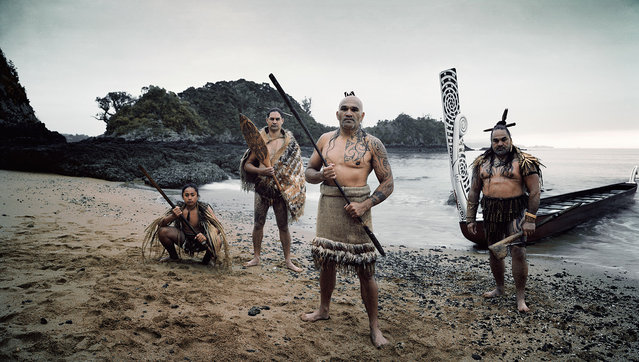
Maori  People New Zealand

The long and intriguing story of the origine of the indigenous Maori people can be traced back to the 13th century, the mythical homeland Hawaiki, Eastern Polynesia. Due to centuries of isolation, the Maori established a distinct society with characteristic art, a separate language and unique mythology. Defining aspects of Maori traditional culture include art, dance, legends, tattoos and community. While the arrival of European colonists in the 18th centure had a profound impact on the Maori way of life, many aspects of traditional society have survived into the 21th century.
Details
11 Mar 2014 14:40:00
Mingora Hovoped Takes No Ordinary Rider. (Kenny Hassan Irwin)

“In the ongoing epics of the Pakistani Starfleet in their ever lasting quest to embrace and protect the freedoms of all humanity and life elsewhere in the cosmos we explore the future of Pakistan as a leader in advanced technology, diverse culture, exploration, helping to preserve peace & help those in need from the less than benign that reside in the darkest reaches of the cosmos to those who share & cherish kinship with all of humanity from the brightest reaches of the cosmos”. – Kenny Hassan Irwin

Mingora Hovoped Takes No Ordinary Rider. (Photo by Kenny Hassan Irwin)

Details
06 Dec 2012 12:15:00
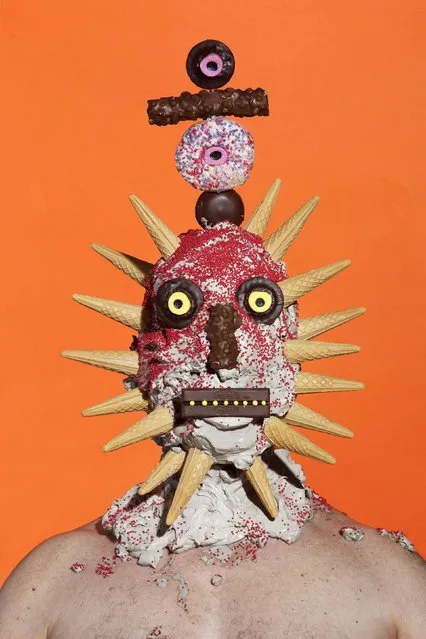
Ice cream cone head. (Photo by James Ostrer/Caters News)

“An artist has slammed junk food culture by creating shocking portraits of models covered in burgers, fries and even ketchup. Some of James Ostrer’s pictures resemble one of Willy Wonka’s nightmares as he uses liquorice for eyes and strawberry bootlaces for hair. In others, the 35-year-old smears his models’ faces with tears of ketchup and uses burgers, fries and sausages for facial features. James made the mouth-watering monstrosities to show the rampant consumption of junk food and how it affects our moods”. – Caters News
Details
15 Aug 2014 09:29:00
History of Suspended Time By Gonzalo Lebrija

Guadalajara-based artist Gonzalo Lebrija created a public art installation in the parking lot (1430 Delgany Street, Denver, CO 80202) across from the Museum of Contemporary Art Denver (MCA Denver) in the summer of 2010. The installation, entitled History of Suspended Time: Monument for the Impossible, was developed as a dual collaboration with MCA Denver's museum-wide exhibition, Energy Effects: Art & Artifacts from the Landscape of Glorious Excess, as well as Denver's inaugural 2010 Biennial of the Americas, an international event that celebrated the culture, ideas and people of the Western Hemisphere.
Details
31 Aug 2014 13:37:00
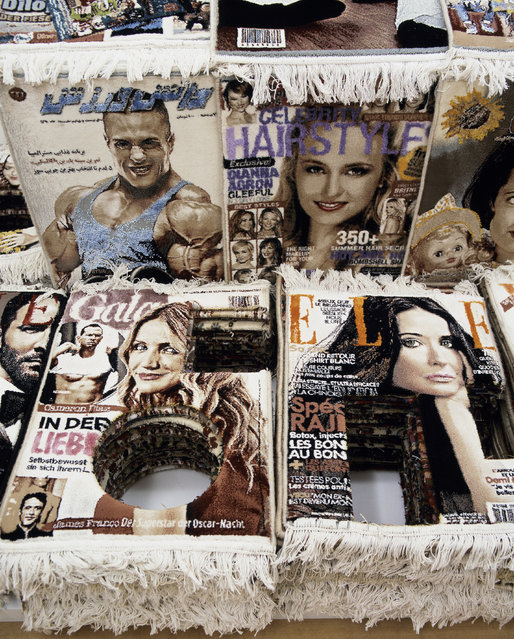
Magazine Store By Farhad Moshiri

Farhad Moshiri, an Iranian artist working a lot with carpet media using it as a mean to joke about consumerism culture, was one of the participants of the group show Love Me Love Me Not of Yarat! pavilion curate by Dina Nasser-Khadivi (read on her curating Lalla Essaydi's Harem here) at Venice 2013 Art Biennial. The installation consists of more than 500 carpets depicting celebrities-covered magazines from all over the world.
Details
02 Oct 2014 12:15:00