Loading...
Done
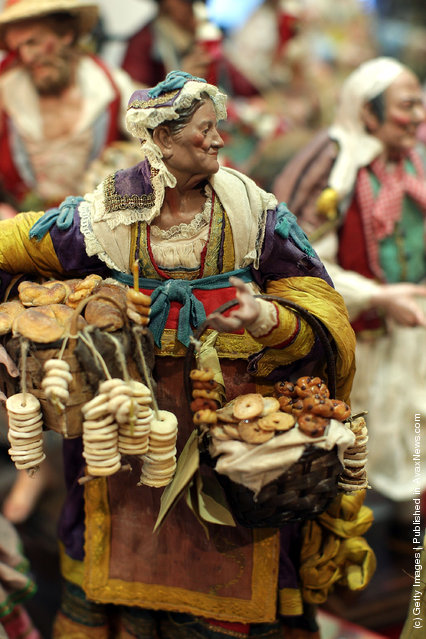
Neapolitan Christmas Nativity figurines on display at 'Maestri Ferrigno', which opened in 1836, at Via San Gregorio Armeno

Neapolitan Christmas Nativity figurines on display at “Maestri Ferrigno”, which opened in 1836, at Via San Gregorio Armeno on December 14, 2011 in Naples, Italy. Via San Gregorio Armeno, Christmas Alley as it is known, is considered by many to be the world capital of the Nativity and home to the artisans and merchants who specialize in the art and the craft of the Neapolitan Presepe. Over the Christmas period, more than half a million tourists come to see the shops. (Photo by Franco Origlia/Getty Images)
Details
17 Dec 2011 12:17:00
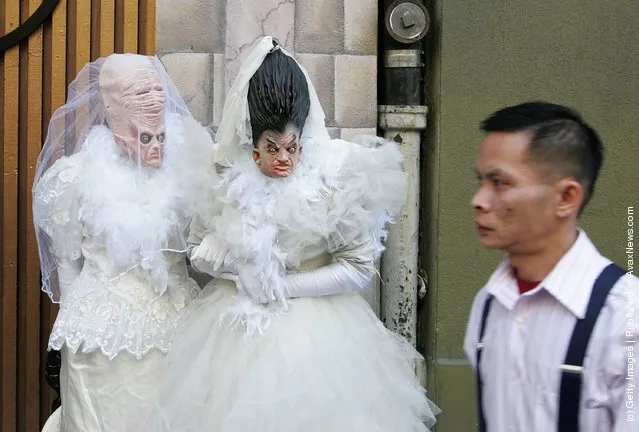
«Brides Of March» flash mob

A man looks at members of the flash mob group calling themselves the «Brides of March» (“Grab a wedding dress and join the brides as we parade through the heart of San Francisco, strolling through Union Square, shopping at fancy stores and drinking at local bars!”) as they stand outside a bar March 18, 2006 in San Francisco. The flash mob group made their way through the streets stopping at bars, cafes, and several stores. (Photo by Justin Sullivan/Getty Images)
Details
17 Jan 2012 10:31:00
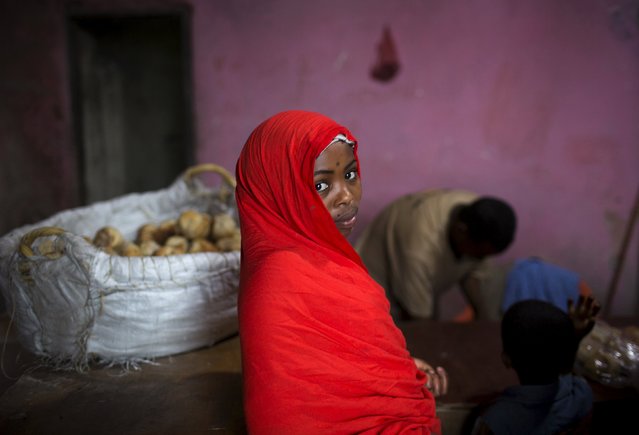
A girl is seen in a bakery in the old walled town of Harar in eastern Ethiopia, May 19, 2015. (Photo by Siegfried Modola/Reuters)

A girl is seen in a bakery in the old walled town of Harar in eastern Ethiopia, May 19, 2015. Daily life of people in Ethiopia, where elections are held this weekend, is portrayed in the east African nation's churches and mosques, coffee shops and markets, both in the capital Addis Ababa and the walled town of Harar in the east. Ethiopia, home to nearly 100 million people, holds the first poll on Sunday since long-serving leader Meles Zenawi died in 2012. (Photo by Siegfried Modola/Reuters)
Details
25 May 2015 09:43:00
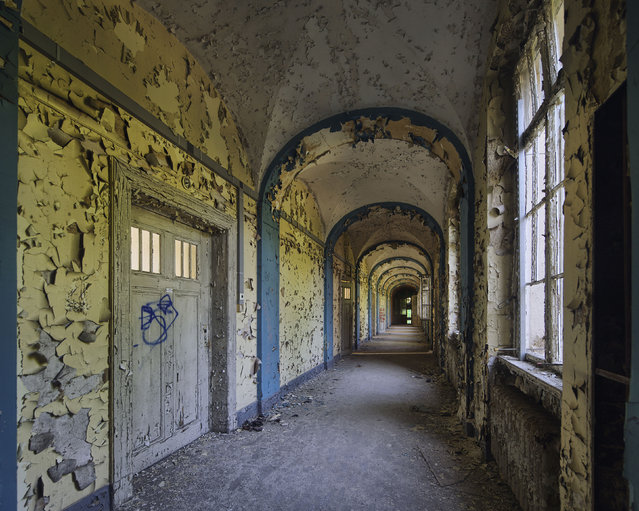
Lung sanatorium. (Photo by Daniel Barter/Caters News)

Even the powerhouse of Europe has its fair share of abandoned properties and empty shop fronts as seen in these pictures of decaying buildings in Germany. Photographer Daniel Barter, 30, from London traveled Berlin and the surrounding countryside to capture buildings in need of work on film. Far from being resplendent in vintage glory, the deserted music venues and crumbling hospitals are a shadow of their former selves. German eagle motifs flake off ceilings and concert halls designed for hundreds have not seen a show for years. Photo: Lung sanatorium. (Photo by Daniel Barter/Caters News)
Details
04 Aug 2014 13:12:00
Tomomi Ota visits a local shrine with her humanoid robot Pepper in Tokyo, Japan, 26 June 2016. (Photo by Franck Robichon/EPA)

Tomomi Ota visits a local shrine with her humanoid robot Pepper in Tokyo, Japan, 26 June 2016. Reaching 120cm in height and 28 kilograms in weight, Pepper does not enter in the category of portable robot. But those characteristics dont stop Tomomi Ota to take Pepper in a cart to stroll in her neighborhood, go shopping or even take the subway... (Photo by Franck Robichon/EPA)
Details
08 Jul 2016 12:09:00
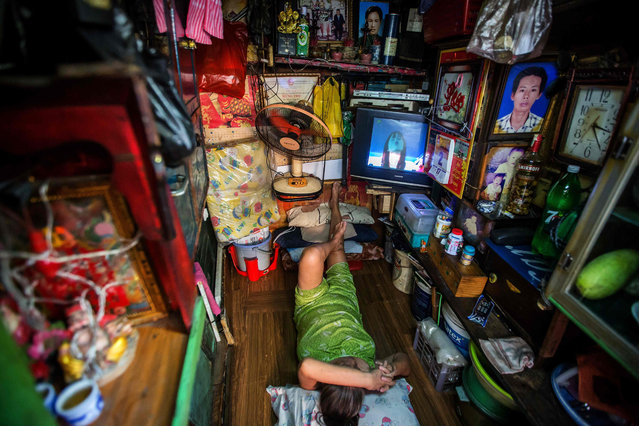
Kha Tu Ngoc rests in her two- square- meter house in Ho Chi Minh City on May 2, 2018. (Photo by Thanh Nguyen/AFP Photo)

Kha Tu Ngoc rests in her two- square- meter house in Ho Chi Minh City on May 2, 2018. The “micro- house” dwellings are dotted throughout Vietnam' s bustling southern hub, occupied by families clinging to postage stamp- sized plots a city developing at breakneck pace. Tucked away in winding alleys, nestled under new condo developments or sandwiched between street food stalls and shops, the tiny houses are easily missed by the unattentive passerby. (Photo by Thanh Nguyen/AFP Photo)
Details
04 Jun 2018 00:01:00
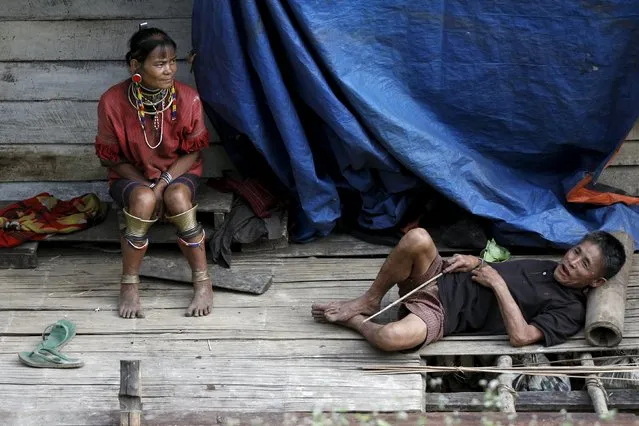
An ethnic Kayaw couple Mu Htoo and her husband Htaw Eili rest at their home at Htaykho village in the Kayah state, Myanmar September 12, 2015. (Photo by Soe Zeya Tun/Reuters)

An ethnic Kayaw couple Mu Htoo and her husband Htaw Eili rest at their home at Htaykho village in the Kayah state, Myanmar September 12, 2015. With about 30,000 members, the Kayaw are one of the smallest ethnic minorities among Myanmar's 135 groups. Their village has for decades been off-limits, as armed rebels fought the military before a recent ceasefire stopped the bloody conflict here. The rebels in the area have put down their guns and taken to the hills to grow rice and corn, but slash-and-burn cultivation methods mean they struggle to find new places to farm. (Photo by Soe Zeya Tun/Reuters)
Details
21 Oct 2015 08:03:00
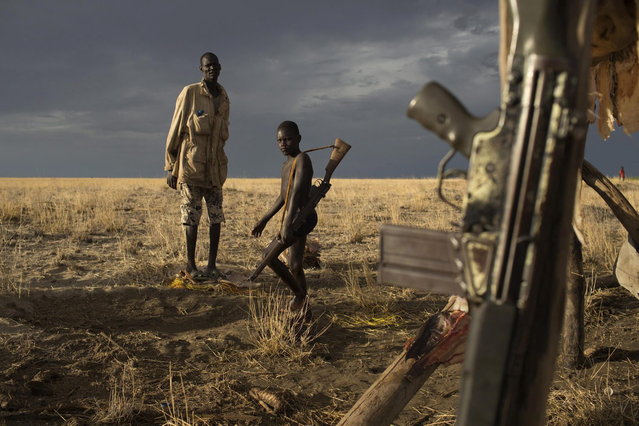
A Turkana man and a boy carrying a gun look on as a G3 battle rifle hangs from a structure used to dry fish at a fishing camp on the shores of Lake Turkana, some kilometres from Todonyang near the Kenya-Ethiopia border in northwestern Kenya October 12, 2013. (Photo by Siegfried Modola/Reuters)

A Turkana man and a boy carrying a gun look on as a G3 battle rifle hangs from a structure used to dry fish at a fishing camp on the shores of Lake Turkana, some kilometres from Todonyang near the Kenya-Ethiopia border in northwestern Kenya October 12, 2013The Turkana are traditionally nomadic pastoralists, but they have seen the pasture that they need to feed their herds suffer from recurring droughts and many have turned to fishing. However, Lake Turkana is overfished, and scarcity of food and pastureland is fuelling long-standing conflict with Ethiopian indigenous Dhaasanac, who have seen grazing grounds squeezed by large-scale government agricultural schemes in southern Ethiopia. The Dhaasanac now venture ever deeper into Kenyan territory in search of fish and grass, clashing with neighbours. Fighting between the communities has a long history, but the conflict has become ever more fatal as automatic weapons from other regional conflicts seep into the area. While the Turkana region is short of basics like grass and ground-water, it contains other resources including oil reserves and massive, newly discovered underground aquifers. (Photo by Siegfried Modola/Reuters)

Details
05 Dec 2013 12:08:00