Loading...
Done
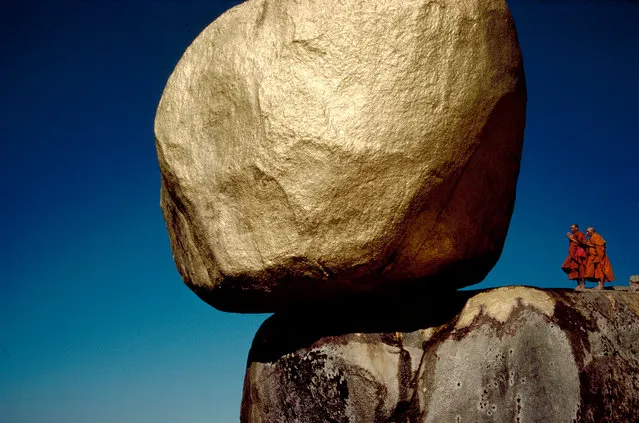
Kyaiktiyo, Burma, 1978. The Golden Rock at Shwe Pyi Daw (the Golden Country), the Buddhist holy place. Hiroji Kubota writes: “I was desperate to keep a distance from America for a while; luckily, I found Burma and its gentle and compassionate people. In the spring of 1978, on the top of the hill where I took this photo, I had two Leica bodies: the one with Tri-X and the other with Kodachrome 64. Soon after, I realised that the colour one looked very colourful and was more powerful. That was my decisive moment, to become a colour photographer”. (Photo by Hiroji Kubota/Magnum Photos)

Kyaiktiyo, Burma, 1978. The Golden Rock at Shwe Pyi Daw (the Golden Country), the Buddhist holy place. Hiroji Kubota writes: “I was desperate to keep a distance from America for a while; luckily, I found Burma and its gentle and compassionate people. In the spring of 1978, on the top of the hill where I took this photo, I had two Leica bodies: the one with Tri-X and the other with Kodachrome 64. Soon after, I realised that the colour one looked very colourful and was more powerful. That was my decisive moment, to become a colour photographer”. (Photo by Hiroji Kubota/Magnum Photos)
Details
10 Jun 2016 13:30:00
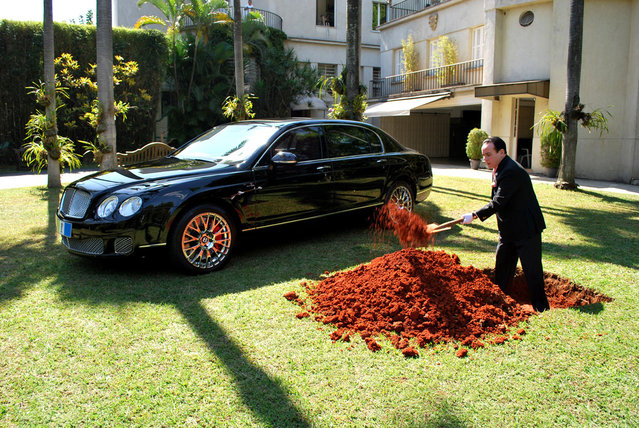
Brazilian Billionaire Buries His Bentley

62-year-old Count Scarpa, a quirky millionaire from Sao Paolo, Brazil, announced he has decided to do like the pharaohs and entomb his $500,000 Bentley Continental Flying Spur in his back garden, on Monday, via Facebook.
Details
12 Mar 2015 08:33:00
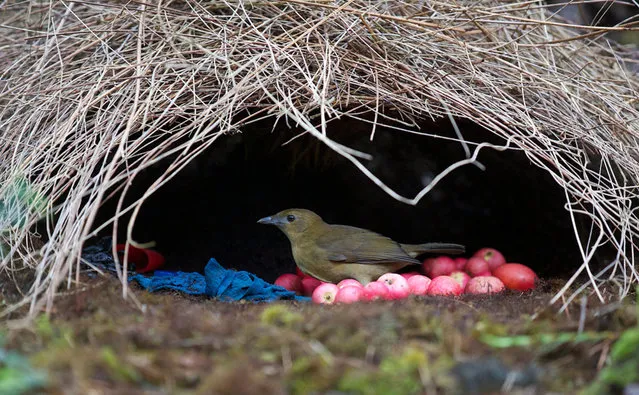
Animal Architects Bowerbirds Design

Turkeys strut, peacocks preen, and bowerbirds design. Of all the strange things that male birds do to attract a mate, the bowerbird's ritual is the only one that could make it into the MoMA. They use two distinct types of "architecture" and have a keen eye for color as well.
Details
05 Mar 2014 12:45:00
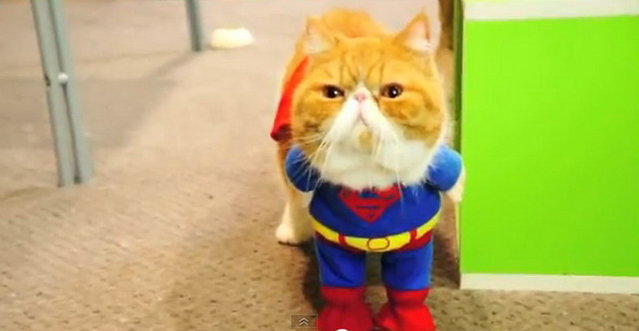
Squash-Faced Cat Dressed as Super Hero

When the city is in need, these superhero cats will do everything they can to help (i.e. look on indifferently then passive-aggressively poop on the bed).
Details
29 Jul 2012 10:08:00
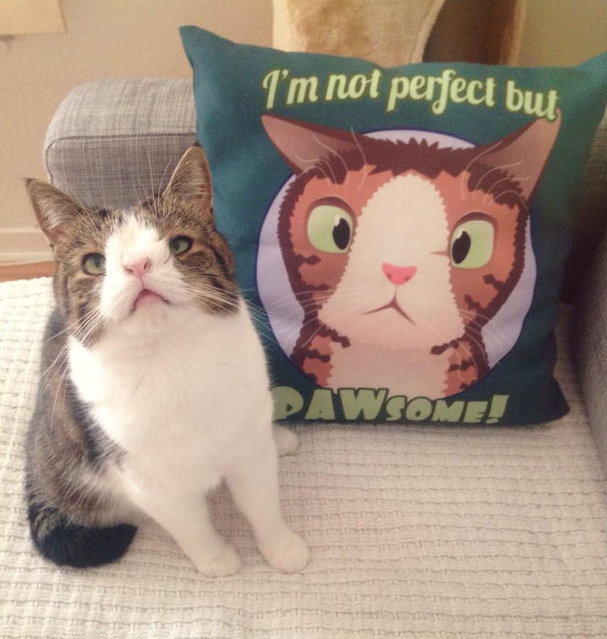
Monty The Cat Without A Nasal Bone

If you love someone very much, you care very little about their looks. The beauty of their soul is the thing that matters the most, changing your perception of them for the better. Monty the Cat is a vivid example of this fact. He was taken by his new owners from an animal shelter at the age of three, and became a proud member of their family. Due to a genetic anomaly Monty doesn’t have a nasal bridge, making his appearance rather unique. However, this peculiarity is what makes Monty special, and his new owners love him for it. Though he doesn’t realize that he’s any different from other cats, Monty knows that his owners love him very much.
Details
10 Nov 2014 13:49:00
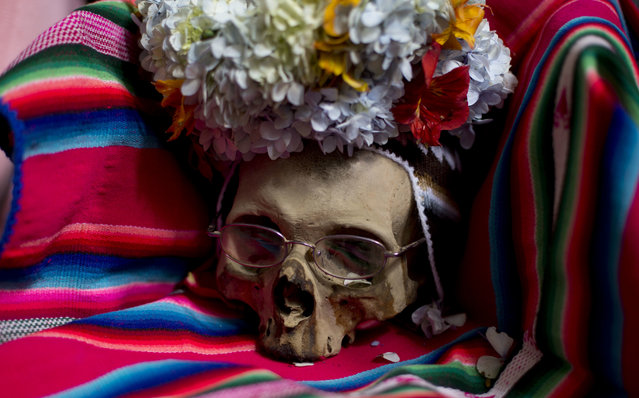
A  decorated human skull or “natitas”, sits on a blanket inside the Cementerio General chapel, during the Natitas Festival celebrations, in La Paz, Bolivia, Tuesday, November 8, 2016. (Photo by Juan Karita/AP Photo)

A decorated human skull or “natitas”, sits on a blanket inside the Cementerio General chapel, during the Natitas Festival celebrations, in La Paz, Bolivia, Tuesday, November 8, 2016. The “natitas” are cared for and decorated by faithful who use them as amulets believing they serve as protection, the tradition marks the end of the Catholic All Saints holiday, but is not recognized by the Catholic church. (Photo by Juan Karita/AP Photo)
Details
09 Nov 2016 06:25:00
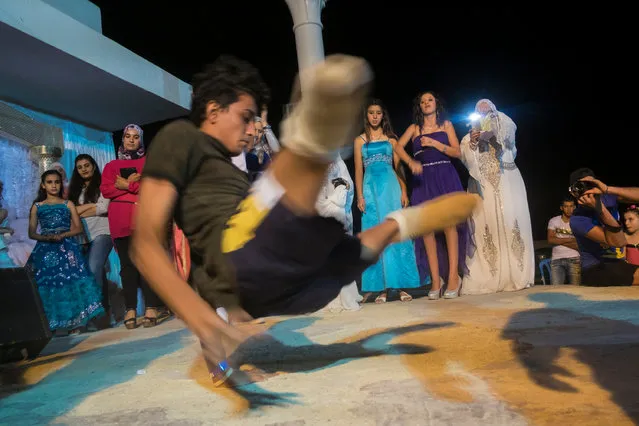
He performs his moves during the wedding celebrations, with his prosthetic limbs removed. (Photo by Yassine Alaoui Ismaili/The Guardian)

Street photographer Yassine Alaoui Ismaili follows 16-year-old Emeer Guesmi, aka B-boy Zulu Rema, as he trains and performs breakdance moves – all without the use of his legs. At a breakdance championship in Tunisia, Casablanca-based street photographer Yassine Alaoui Ismaili noticed an unusual competitor: Emeer Guesmi, dancing without the aid of his lower legs. He started following him as he trained and performed. (Photo by Yassine Alaoui Ismaili/The Guardian)
Details
23 Nov 2016 12:33:00
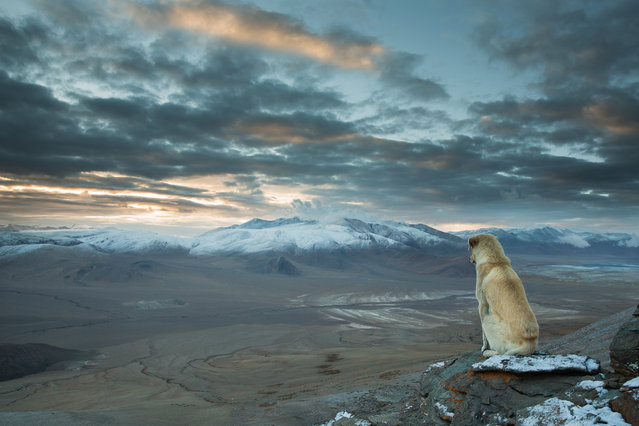
“Himalayan Dog”. This dog just appeared out of nowhere and followed us for an entire week during our trekking trip in the Himalayan outback. He always used to sleep in front of our tent and guarded us in the nights. When I decided to get up at 4 a.m. to climb the next 5000 m peak for sunrise he accompanied me as well. On the top he was sitting for the entire 30 minutes on this place looking straight into the countryside. Photo location: Ladakh, India. (Photo and caption by Sebastian Wahlhuetter/National Geographic Photo Contest)

“Himalayan Dog”. This dog just appeared out of nowhere and followed us for an entire week during our trekking trip in the Himalayan outback. He always used to sleep in front of our tent and guarded us in the nights. When I decided to get up at 4 a.m. to climb the next 5000 m peak for sunrise he accompanied me as well. On the top he was sitting for the entire 30 minutes on this place looking straight into the countryside. Photo location: Ladakh, India. (Photo and caption by Sebastian Wahlhuetter/National Geographic Photo Contest)
Details
01 Apr 2014 10:47:00