Loading...
Done
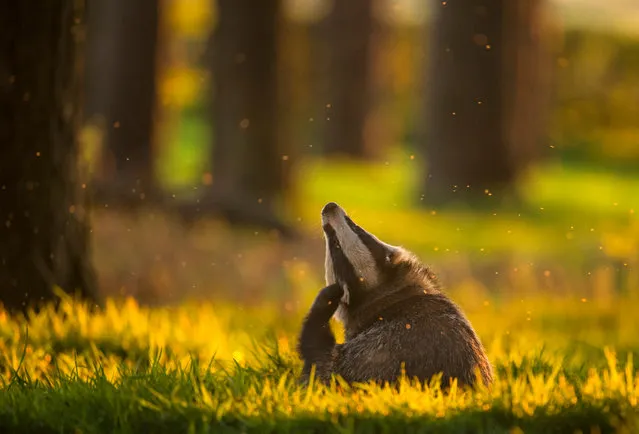
Andrew Parkinson, animal behaviour category winner: Crepuscular Contentment, Derbyshire. “In 15 years of working with badgers I’ve never seen a badger sit out in the open to have a scratch. I was sat concealed behind a tree and downwind so it was especially nice that the badger had his back to me, demonstrating just how inconspicuous and inconsequential my presence was”. (Photo by Andrew Parkinson/British Wildlife Photography Awards 2017)

Andrew Parkinson, animal behaviour category winner: Crepuscular Contentment, Derbyshire. “In 15 years of working with badgers I’ve never seen a badger sit out in the open to have a scratch. I was sat concealed behind a tree and downwind so it was especially nice that the badger had his back to me, demonstrating just how inconspicuous and inconsequential my presence was”. (Photo by Andrew Parkinson/British Wildlife Photography Awards 2017)
Details
10 Nov 2017 09:01:00
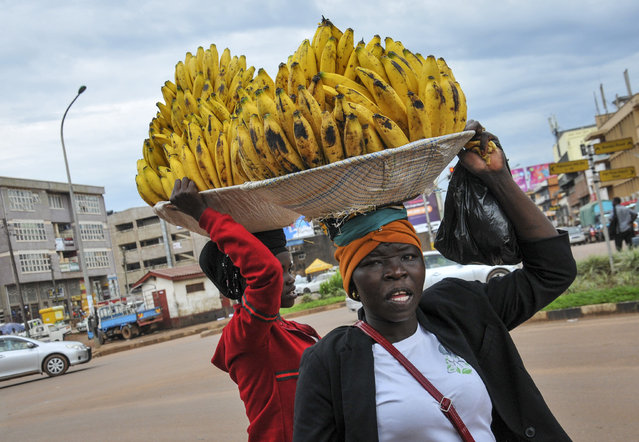
Women sell bananas in the street, after traders in markets were prohibited from selling any non-food items in an attempt to halt the spread of the new coronavirus, in Kampala, Uganda Thursday, March 26, 2020. (Photo by Ronald Kabuubi/AP Photo)

Women sell bananas in the street, after traders in markets were prohibited from selling any non-food items in an attempt to halt the spread of the new coronavirus, in Kampala, Uganda Thursday, March 26, 2020. (Photo by Ronald Kabuubi/AP Photo)
Details
14 Apr 2020 00:01:00
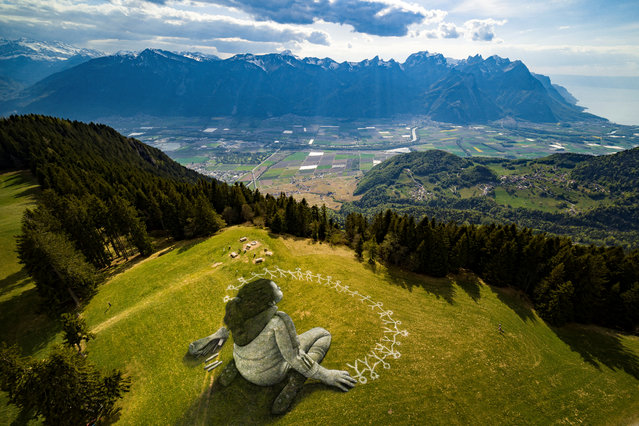
An artwork called “Beyond Crisis” by French artist Guillaume Legros aka Saype and created with an eco paint made out of chalk and coal over a 3000 sqm field is pictured during the coronavirus disease (COVID-19) outbreak in Leysin, Switzerland, April 24, 2020 in this picture obtained by Reuters April 26, 2020. (Photo by Valentin Flauraud/SAYPE/Handout via Reuters)

An artwork called “Beyond Crisis” by French artist Guillaume Legros aka Saype and created with an eco paint made out of chalk and coal over a 3000 sqm field is pictured during the coronavirus disease (COVID-19) outbreak in Leysin, Switzerland, April 24, 2020 in this picture obtained by Reuters April 26, 2020. (Photo by Valentin Flauraud/SAYPE/Handout via Reuters)
Details
27 May 2020 00:05:00
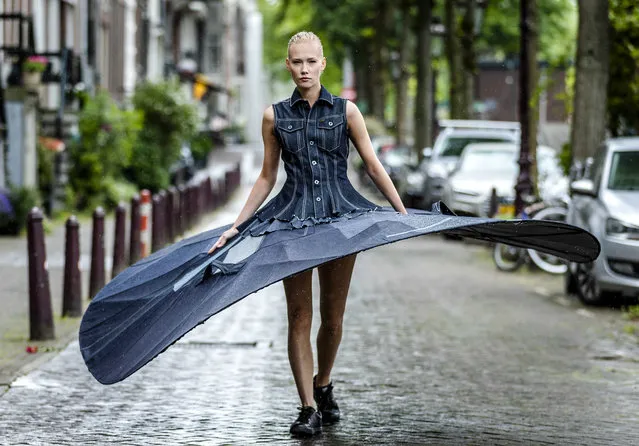
Ballerina Kira Hilli of the Netherlands National Ballet dances in a tutu with a diameter of 3 meters for a video made for the 1.5 meter society, on the Prinsengracht in Amsterdam, The Netherlands, 04 June 2020 (issued on 12 June 2020). The so-called social distance tutu is made of denim fabric, specially made for the Safe Distance Ballet. (Photo by Remko de Waal/EPA/EFE)

Ballerina Kira Hilli of the Netherlands National Ballet dances in a tutu with a diameter of 3 meters for a video made for the 1.5 meter society, on the Prinsengracht in Amsterdam, The Netherlands, 04 June 2020 (issued on 12 June 2020). The so-called social distance tutu is made of denim fabric, specially made for the Safe Distance Ballet. (Photo by Remko de Waal/EPA/EFE)
Details
15 Jun 2020 00:07:00
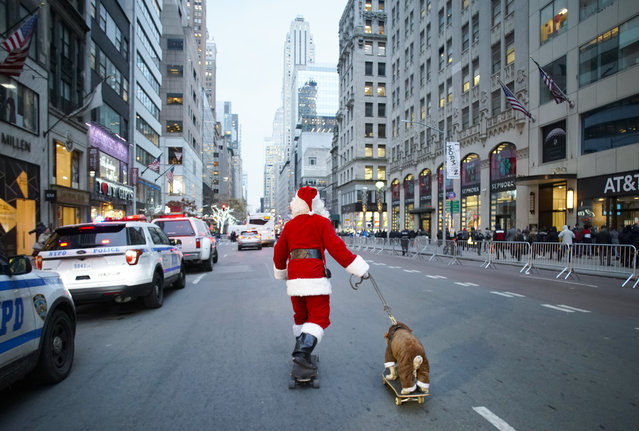
A man dressed as Santa Claus skateboards down Fifth Avenue towing a dog before the annual Christmas tree lighting ceremony at Rockefeller Center in New York on December 5, 2019. (Photo by John Angelillo/UPI/Barcroft Media)

A man dressed as Santa Claus skateboards down Fifth Avenue towing a dog before the annual Christmas tree lighting ceremony at Rockefeller Center in New York on December 5, 2019. (Photo by John Angelillo/UPI/Barcroft Media)
Details
17 Dec 2019 00:03:00
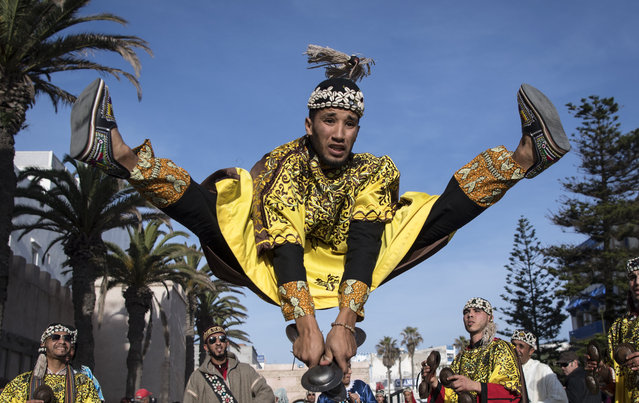
A Gnawa traditional group performs in the city of Essaouira on December 14, 2019, to celebrate the decision of adding the Gnawa culture to UNESCO's list of Intangible Cultural Heritage of Humanity. Gnawa culture, a centuries-old Moroccan practice rooted in music, African rituals and Sufi traditions, was added to UNESCO's list of Intangible Cultural Heritage of Humanity earlier in the week. Gnawa refers to a “set of musical productions, fraternal practices and therapeutic rituals where the secular mixes with the sacred”, according to the nomination submitted by Morocco. Often dressed in colourful outfits, Gnawa musicians play the guenbri, a type of lute with three strings, accompanied by steel castanets called krakebs. (Photo by Fadel Senna/AFP Photo)

A Gnawa traditional group performs in the city of Essaouira on December 14, 2019, to celebrate the decision of adding the Gnawa culture to UNESCO's list of Intangible Cultural Heritage of Humanity. Gnawa culture, a centuries-old Moroccan practice rooted in music, African rituals and Sufi traditions, was added to UNESCO's list of Intangible Cultural Heritage of Humanity earlier in the week. Gnawa refers to a “set of musical productions, fraternal practices and therapeutic rituals where the secular mixes with the sacred”, according to the nomination submitted by Morocco. Often dressed in colourful outfits, Gnawa musicians play the guenbri, a type of lute with three strings, accompanied by steel castanets called krakebs. (Photo by Fadel Senna/AFP Photo)
Details
18 Dec 2019 00:05:00
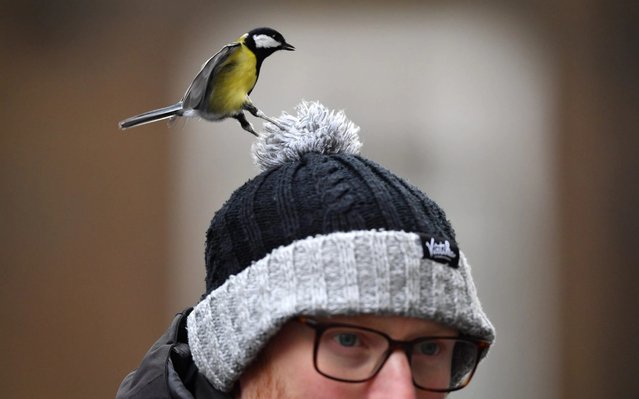
A great tit eats food from the top of a photographer's hat as the press wait for politicians on Downing Street on December 16, 2019 in London, England. The UK's Prime Minister is set to hold a mini Cabinet reshuffle to replace outgoing ministers following last week's general election victory. (Photo by Leon Neal/Getty Images)

A great tit eats food from the top of a photographer's hat as the press wait for politicians on Downing Street on December 16, 2019 in London, England. The UK's Prime Minister is set to hold a mini Cabinet reshuffle to replace outgoing ministers following last week's general election victory. (Photo by Leon Neal/Getty Images)
Details
29 Dec 2019 00:03:00
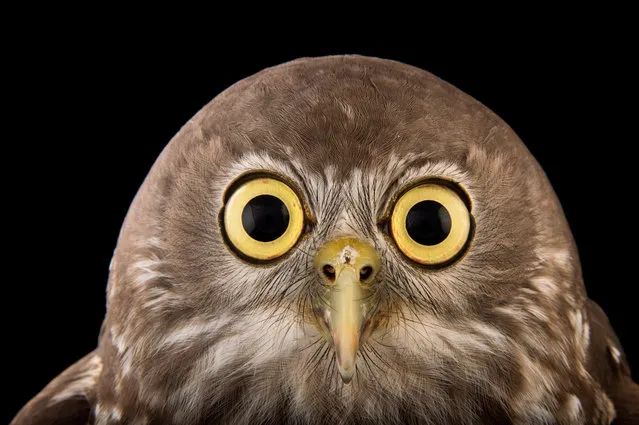
The National Geographic Photo Ark is a travelling exhibition of photographer Joel Sartore’s quest to create a photo archive of biodiversity around the world. So far, Sartore has captured studio portraits of more than 6,000 species – a number that he hopes to double. On 1 July, the ark will open at Melbourne zoo – the first time it has been exhibited in the southern hemisphere. More than 50 portraits will be on display, including many of Australian endangered animals being protected by programs at the zoo itself. These captions have been edited from text supplied by Melbourne zoo. Here: Barking owl. So-named because its call sounds like a barking dog, these birds are native to Australia, Indonesia and Papua New Guinea. In Victoria they are listed as an endangered species, and in 2003 there were estimated to be fewer than 50 breeding pairs. The main threat to the species in Victoria is loss of habitat, especially large trees with hollows in which they can nest and on which many of their prey depend. Apart from a bark, they may utter a chilling scream when they feel threatened. (Photo by Joel Sartore/National Geographic Photo Ark/The Guardian)

The National Geographic Photo Ark is a travelling exhibition of photographer Joel Sartore’s quest to create a photo archive of biodiversity around the world. So far, Sartore has captured studio portraits of more than 6,000 species – a number that he hopes to double. On 1 July, the ark will open at Melbourne zoo – the first time it has been exhibited in the southern hemisphere. More than 50 portraits will be on display, including many of Australian endangered animals being protected by programs at the zoo itself. These captions have been edited from text supplied by Melbourne zoo. Here: Barking owl. (Photo by Joel Sartore/National Geographic Photo Ark/The Guardian)
Details
01 Jul 2017 07:45:00