Loading...
Done
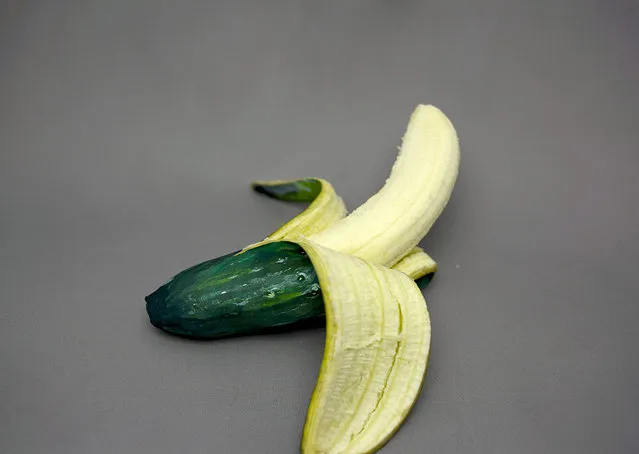
It’s Not What It Seems By Artist Hikaru Cho

Japanese artist Hikaru Cho is already well-known for her bizarre and realistic body paintings, but now the Tokyo-based artist has applied her talent to everyday food items as well. In her playful “It’s Not What It Seems” series, she turns common foods into other kinds of food using only acrylic paint and her extraordinary talent.
Details
22 Mar 2014 11:32:00
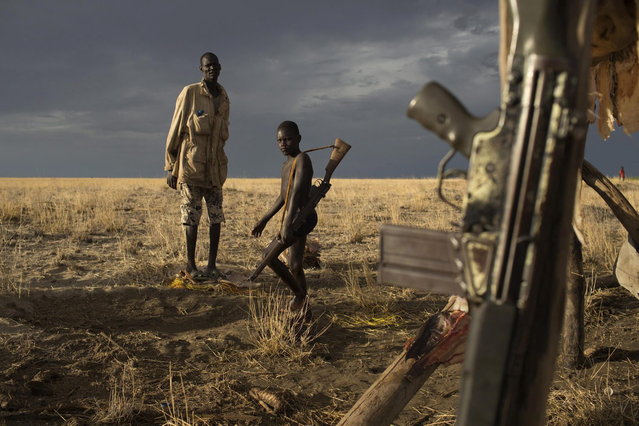
A Turkana man and a boy carrying a gun look on as a G3 battle rifle hangs from a structure used to dry fish at a fishing camp on the shores of Lake Turkana, some kilometres from Todonyang near the Kenya-Ethiopia border in northwestern Kenya October 12, 2013. (Photo by Siegfried Modola/Reuters)

A Turkana man and a boy carrying a gun look on as a G3 battle rifle hangs from a structure used to dry fish at a fishing camp on the shores of Lake Turkana, some kilometres from Todonyang near the Kenya-Ethiopia border in northwestern Kenya October 12, 2013The Turkana are traditionally nomadic pastoralists, but they have seen the pasture that they need to feed their herds suffer from recurring droughts and many have turned to fishing. However, Lake Turkana is overfished, and scarcity of food and pastureland is fuelling long-standing conflict with Ethiopian indigenous Dhaasanac, who have seen grazing grounds squeezed by large-scale government agricultural schemes in southern Ethiopia. The Dhaasanac now venture ever deeper into Kenyan territory in search of fish and grass, clashing with neighbours. Fighting between the communities has a long history, but the conflict has become ever more fatal as automatic weapons from other regional conflicts seep into the area. While the Turkana region is short of basics like grass and ground-water, it contains other resources including oil reserves and massive, newly discovered underground aquifers. (Photo by Siegfried Modola/Reuters)
Details
05 Dec 2013 12:08:00


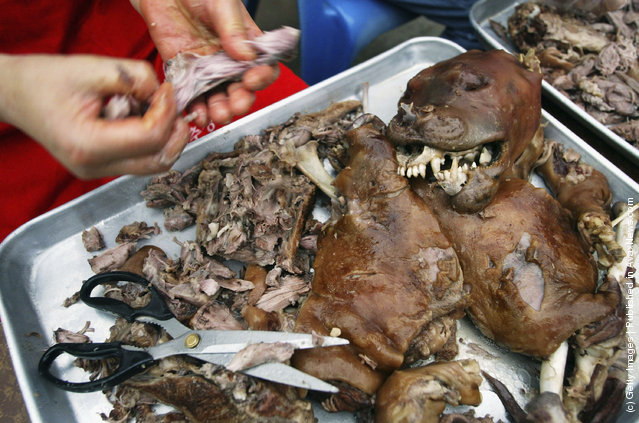
“Dog meat refers to edible parts and the flesh derived from (predominantly domestic) dogs. Human consumption of dog meat has been recorded in many parts of the world, including ancient China, ancient Mexico, and ancient Rome. According to contemporary reports, dog meat is consumed in a variety of countries such as Switzerland, China, Vietnam, the Philippines, and Korea. In addition, dog meat has also been used as survival food in times of war and/or other hardships”. – Wikipedia

Photo: A chef prepares dog meat at a restaurant on July 4, 2005 in Gwacheon, South Korea. Dog meat is a traditional dish in Korea dating back to the Samkuk period (period of the three kingdoms BC 57 – AD 668). Although many recipes existed historically for dog meat, now chefs only make soups, or dishes using boiled or roasted meat. Koreans traditionally eat dog meat on the hottest day of the summer, for it's reputed benefits of virility, invigoration and health. (Photo by Chung Sung-Jun/Getty Images)

Details
24 Jul 2011 13:21:00
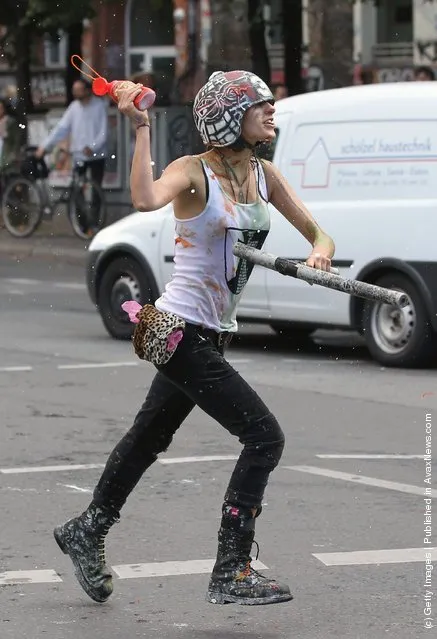
Kreuzberg Vegetable Battle

A female participant armed with a bottle of ketchup attacks in the annual Vegetable Battle in Kreuzberg district near Oberbaumbruecke Bridge on August 28, 2011 in Berlin, Germany. The event pits Kreuzberg district residents againts Friedrichshain district residents for control of the Oberbaumbruecke, and the two sides pelt each other with rotten vegetables, other foods, ketchup, water guns and styrofoam bats until one side has pushed the other from the bridge. The event had originally been cancelled for today, but so many participants showed up anyway and began battling on the Kreuzberg side, where the situation escalated and began to threaten traffic, that police relented and let them later battle it out on the bridge. Kreuzberg claimed victory. (Photo by Sean Gallup/Getty Images)
Details
29 Aug 2011 15:02:00
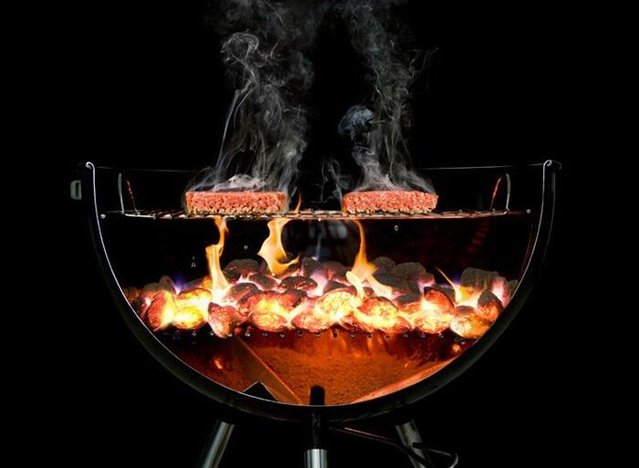
Things Cut in Half

HalfPics is a Twitter feed pointing to things cut in half like a bowl of ramen, a Mini Cooper, and toothpaste. Their tagline: “Ever wonder what stuff looks like when it’s cut in half?” Yes. We previously posted about “Cut Food,” a photo series of foods cut neatly in half by food photographer Beth Galton and food stylist Charlotte Omnès.

See also:Things Cut in Half Part1
Details
09 Sep 2013 10:05:00
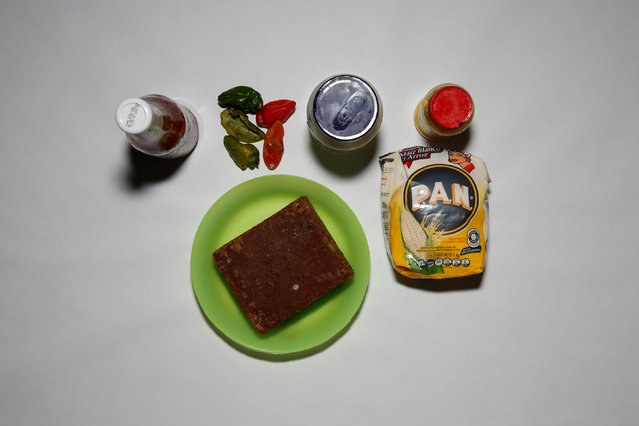
All the food available in the house of Antonia Torres and her family, is pictured at their home in Caracas, Venezuela April 22, 2016. (Photo by Carlos Garcia Rawlins/Reuters)

The combination of Venezuela's sky-rocketing prices and chronic product shortages have left many struggling to put regular food on their tables and maintain a balanced diet. According to one recent study, 87 percent of Venezuelans say their income is now insufficient to purchase their food needs. Here: All the food available in the house of Antonia Torres and her family, is pictured at their home in Caracas, Venezuela April 22, 2016. (Photo by Carlos Garcia Rawlins/Reuters)
Details
28 Apr 2016 12:30:00
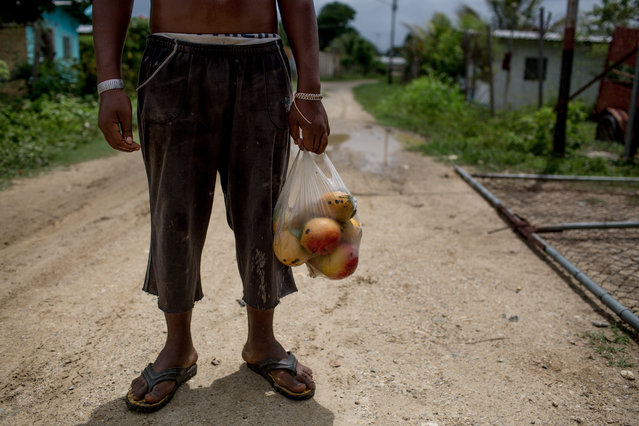
A teenager holds a bag of Mangos, a tropical fruit who grow up in threes in Caracas, Venezuela on June 22, 2016. The shortage of food especially in areas in extreme poverty had made Mangos the daily food. (Photo by Alejandro Cegarra/The Washington Post)

A teenager holds a bag of Mangos, a tropical fruit who grow up in threes in Caracas, Venezuela on June 22, 2016. The shortage of food especially in areas in extreme poverty had made Mangos the daily food. (Photo by Alejandro Cegarra/The Washington Post)
Details
11 Jul 2016 12:23:00
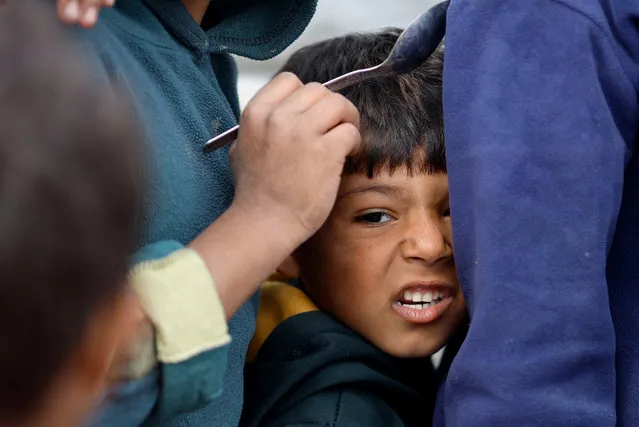
A boy reacts as Palestinians wait to receive food amid shortages of food supplies, amid the ongoing conflict between Israel and the Palestinian Islamist group Hamas, in Rafah in the southern Gaza Strip on January 17, 2024. (Photo by Mohammed Salem/Reuters)

A boy reacts as Palestinians wait to receive food amid shortages of food supplies, amid the ongoing conflict between Israel and the Palestinian Islamist group Hamas, in Rafah in the southern Gaza Strip on January 17, 2024. (Photo by Mohammed Salem/Reuters)
Details
19 Jan 2024 17:43:00