Loading...
Done
Afghanistan: Dogs of War Part 2

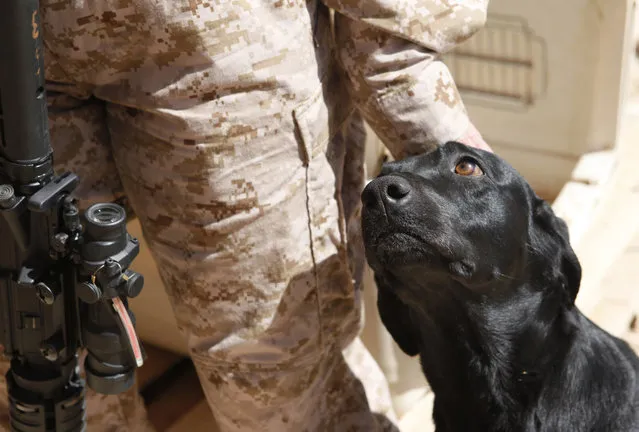
Throughout the course of the long war in Afghanistan, Coalition troops have relied on thousands of military working dogs to help keep them safe, and make their jobs easier. The dogs are trained to detect explosives, to find illegal drugs, to search for missing comrades, or target enemy combatants. Not only are they active on the front lines, but behind the lines they serve as therapy dogs, service dogs, and loyal companions. They also share the same risks as the ground troops, suffering injuries and sometimes death on the battlefields. Gathered here are images of these dogs and their handlers in Afghanistan and back home, from over the past several years, part of the ongoing series here on Afghanistan.
Details
05 Jun 2014 21:10:00
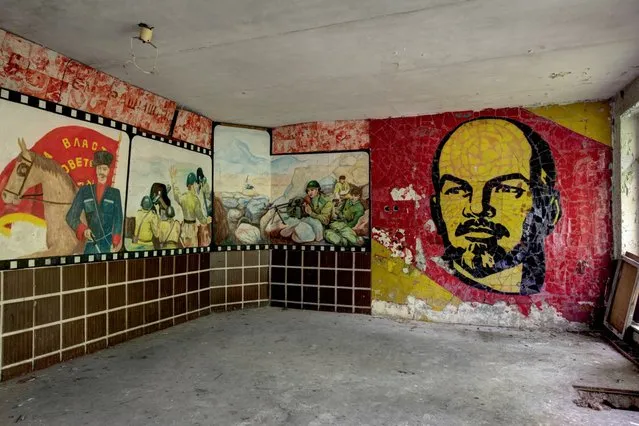
The Soviet Union Abandoned: A Communist Empire In Decay By Rebecca Litchfield

Only the most intrepid urban explorers cross the tattered ruins of the old Iron Curtain to endure the excessive bureaucracy, military paranoia and freezing winds of the East to hunt for the ghosts of an empire. Rebecca Litchfield is one who couldn’t resist the haunting allure of the ruins of the Soviet Union.
Details
21 Jul 2014 11:03:00
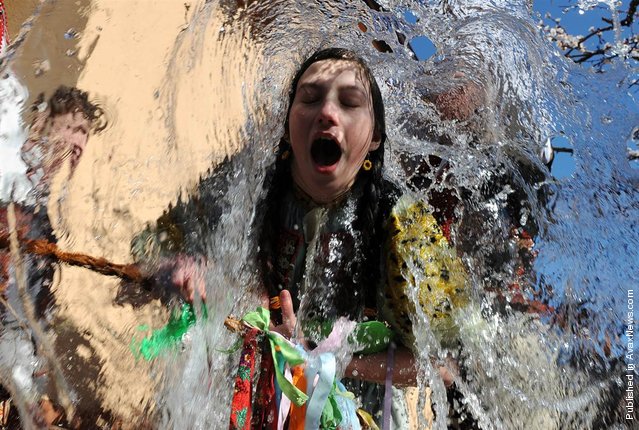
Young Slovaks dressed in traditional costumes throw a bucket of water at a girl as part of Easter celebrations in the village of Trencianska Tepla, Slovakia, April 9, 2012. Slovakia's men splash women with water to symbolize youth, strength and beauty for the upcoming spring season

Young Slovaks dressed in traditional costumes throw a bucket of water at a girl as part of Easter celebrations in the village of Trencianska Tepla, Slovakia, April 9, 2012. Slovakia's men splash women with water to symbolize youth, strength and beauty for the upcoming spring season. (Photo by Samuel Kubani/AFP)
Details
13 Apr 2012 10:38:00
Road Trip! (Photo by Thad Lawrence)

Interesting photos which can't be united in a certain series quite often come across to me. Therefore I publish simply a small group of separate pictures – enjoy, if it's interesting to you. Photo: “Road Trip!” (Photo by Thad Lawrence)

Details
05 Oct 2012 09:58:00
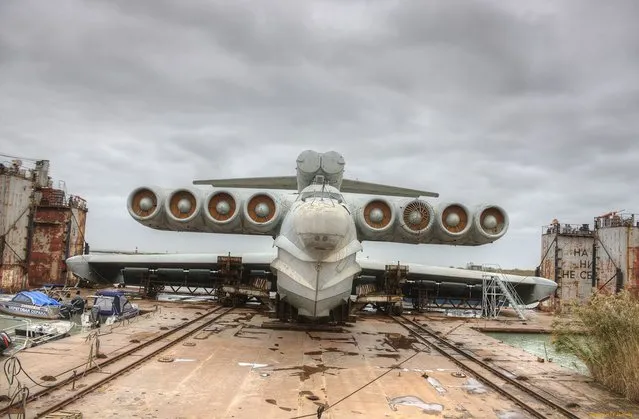
The Lun-class Ekranoplane was used by the Soviet Navy starting in 1987, and wasn't retired until the late 1990s, after the Soviet Union's fall. (Igor113)

“The Lun-class ekranoplan (NATO reporting name Duck) was a ground effect vehicle (GEV) designed by Rostislav Evgenievich Alexeev and used by the Soviet and Russian navies from 1987 until sometime in the late 1990s. It “flew” using the lift generated by the ground effect of its large wings when close to the surface of the water – about four metres or less. Although they might look similar and/or have related technical characteristics, ekranoplans like the Lun are not aircraft, seaplanes, hovercraft, or hydrofoils – ground effect is a separate technology altogether. The International Maritime Organization classifies these vehicles as maritime ships. The name Lun comes from the Russian for harrier”. – Wikipedia (Photo by Igor113)
Details
08 Aug 2014 10:51:00
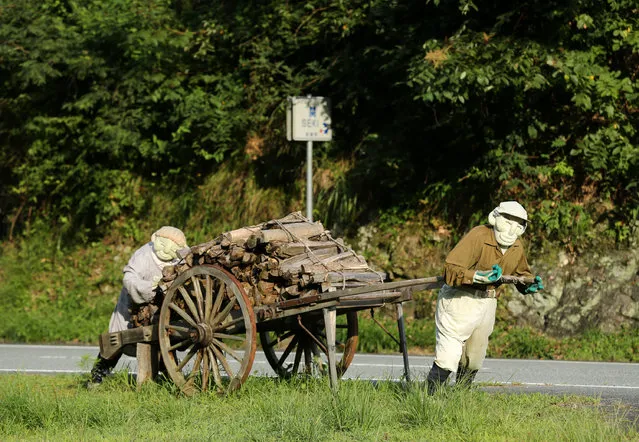
An illustration showing scarecrows pulling a firewood cart beside a road is on display at Kakashi no Sato, or the Scarecrow's Hometown on September 10, 2014 in Himeji, Japan. (Photo by Buddhika Weerasinghe/Getty Images)

An illustration showing scarecrows pulling a firewood cart beside a road is on display at Kakashi no Sato, or the Scarecrow's Hometown on September 10, 2014 in Himeji, Japan. In this district of Yasutomi in Himeji city, over 100 of scarecrows stand in farmlands and abandoned houses to illustrate the good old Japanese countryside and attract visitors. (Photo by Buddhika Weerasinghe/Getty Images)
Details
15 Sep 2014 10:37:00
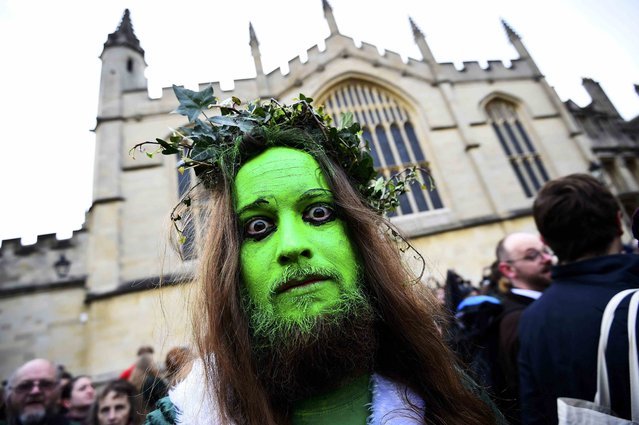
A reveller walks through the streets in the early hours during traditional May Day celebrations in Oxford, Britain, May 1, 2015. (Photo by Dylan Martinez/Reuters)

A reveller walks through the streets in the early hours during traditional May Day celebrations in Oxford, Britain, May 1, 2015. (Photo by Dylan Martinez/Reuters)
Details
03 May 2015 12:21:00
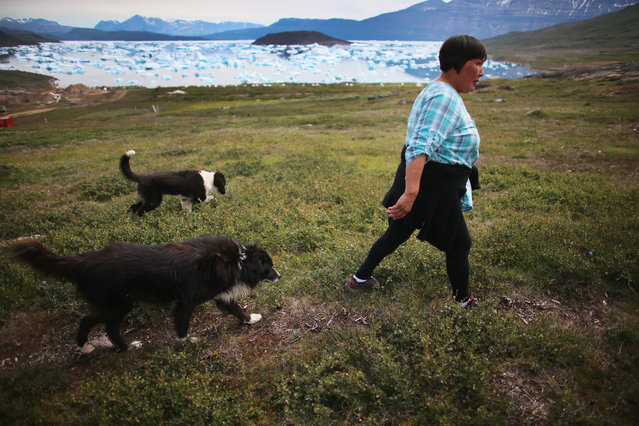
Arnaq Egede walks to the potato field on her family's farm on July 31, 2013 in Qaqortoq, Greenland. The farm, the largest in Greenland, has seen an extended crop growing season due to climate change. (Photo by Joe Raedle/Getty Images)

Arnaq Egede walks to the potato field on her family's farm on July 31, 2013 in Qaqortoq, Greenland. The farm, the largest in Greenland, has seen an extended crop growing season due to climate change. (Photo by Joe Raedle/Getty Images)
Details
22 Aug 2015 12:08:00