Loading...
Done
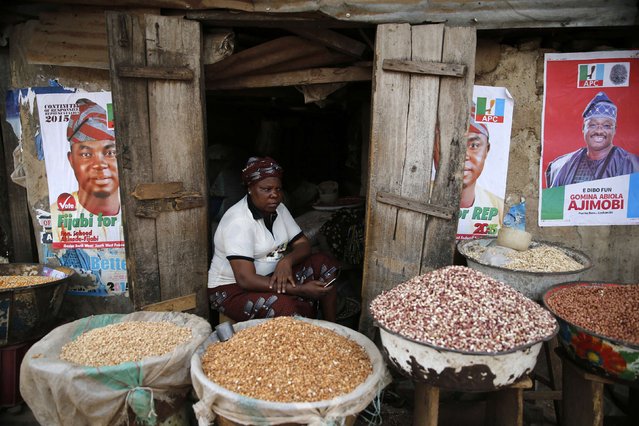
Latefat Alao, 56, a ethnic Yoruba Muslim woman, waits for customers in front of her in Beere market in Ibadan, southwest Nigeria, January 29, 2015. Much of the grain and wheat traders like Alao sell comes from the north and Boko Haram's campaign has negatively affected farmers and food markets. (Photo by Akintunde Akinleye/Reuters)

Latefat Alao, 56, a ethnic Yoruba Muslim woman, waits for customers in front of her in Beere market in Ibadan, southwest Nigeria, January 29, 2015. Much of the grain and wheat traders like Alao sell comes from the north and Boko Haram's campaign has negatively affected farmers and food markets. Reuters photographer Akintunde Akinleye photographed Nigerians and asked them about their views on the elections as well as their hopes and concerns for the country. (Photo by Akintunde Akinleye/Reuters)
Details
12 Feb 2015 12:44:00
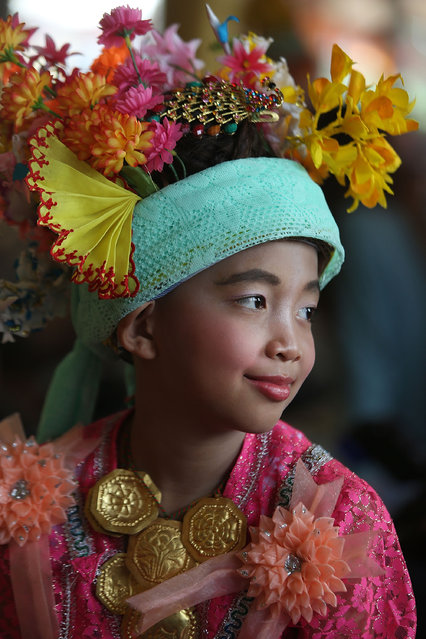
A Tai Yai boy waits for a ceremony to begin at Wat Don Chedi on April 7, 2014 in Mae Hong Son, Thailand. Poy Sang Long is a Buddhist novice ordination ceremony of the Shan people or Tai Yai, an ethnic group of Shan State in Myanmar and northern Thailand. Young boys aged between 7 and 14 are ordained as novices to learn the Buddhist doctrines. It's believed that they will gain merit for their parents by ordaining. (Photo by Taylor Weidman/Getty Images)

A Tai Yai boy waits for a ceremony to begin at Wat Don Chedi on April 7, 2014 in Mae Hong Son, Thailand. Poy Sang Long is a Buddhist novice ordination ceremony of the Shan people or Tai Yai, an ethnic group of Shan State in Myanmar and northern Thailand. Young boys aged between 7 and 14 are ordained as novices to learn the Buddhist doctrines. It's believed that they will gain merit for their parents by ordaining. (Photo by Taylor Weidman/Getty Images)
Details
09 Apr 2014 08:06:00
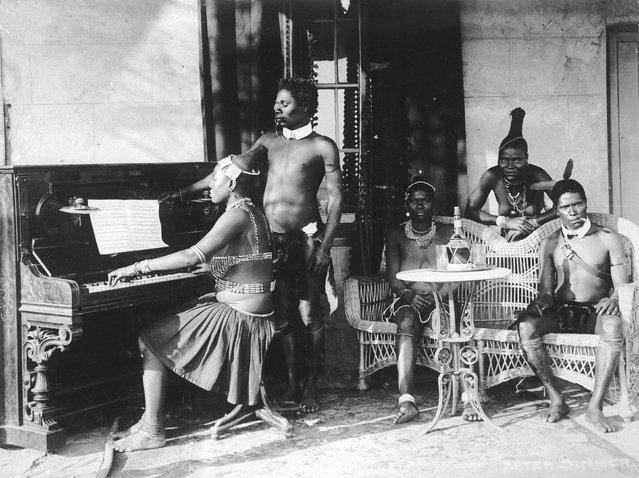
circa 1925:  A Zulu woman playing the piano while a group of others sit and listen.  (Photo by General Photographic Agency/Getty Images)

“The Zulu are the largest South African ethnic group, with an estimated 10–11 million people living mainly in the province of KwaZulu-Natal. Small numbers also live in Zimbabwe, Zambia, and Mozambique. Their language, Zulu, is a Bantu language; more specifically, part of the Nguni subgroup. The Zulu Kingdom played a major role in South African history during the 19th and 20th centuries. Under apartheid, Zulu people were classed as third-class citizens and suffered from state-sanctioned discrimination. They remain today the most numerous ethnic group in South Africa, and now have equal rights along with all other citizens”. – Wikipedia.

Photo: A Zulu woman playing the piano while a group of others sit and listen (to put it briefly, Englishmen scoff over Zulu). South Africa, circa 1925. (Photo by General Photographic Agency)

Details
03 Feb 2014 09:40:00
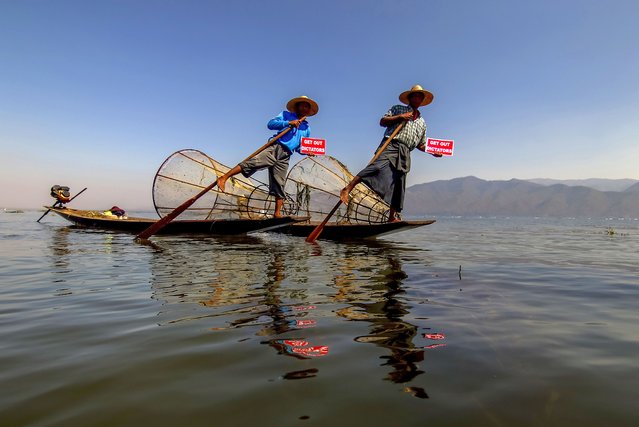
Ethnic Entha fishermen display placards during a protest against the military coup on Inle Lake, Taunggyi, Myanmar Thursday, February 11, 2021. Large crowds demonstrating against the military takeover in Myanmar again defied a ban on protests Thursday, even after security forces ratcheted up the use of force against them and raided the headquarters of the political party of ousted leader Aung San Suu Kyi a day earlier. (Photo by Aung Ko San/AP Photo)

Ethnic Entha fishermen display placards during a protest against the military coup on Inle Lake, Taunggyi, Myanmar Thursday, February 11, 2021. Large crowds demonstrating against the military takeover in Myanmar again defied a ban on protests Thursday, even after security forces ratcheted up the use of force against them and raided the headquarters of the political party of ousted leader Aung San Suu Kyi a day earlier. (Photo by Aung Ko San/AP Photo)
Details
05 Mar 2021 10:35:00
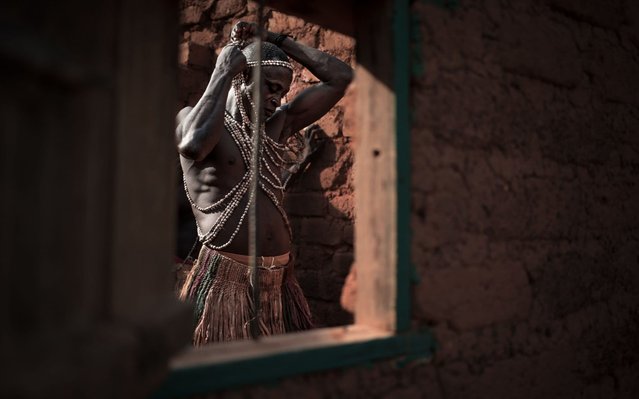
A Broto dancer prepares himself in a disused house of Bambari, in the centre of Central African Republic, before performing on March 14, 2019. The Broto, belonging to the Banda ethnic group, are known for their traditional dances accompanied by heavy horns made of tree roots. Today this tradition falls into disuse and its history is now forgotten by the new generations. (Photo by Florent Vergnes/AFP Photo)

A Broto dancer prepares himself in a disused house of Bambari, in the centre of Central African Republic, before performing on March 14, 2019. The Broto, belonging to the Banda ethnic group, are known for their traditional dances accompanied by heavy horns made of tree roots. Today this tradition falls into disuse and its history is now forgotten by the new generations. (Photo by Florent Vergnes/AFP Photo)
Details
05 Apr 2019 00:01:00
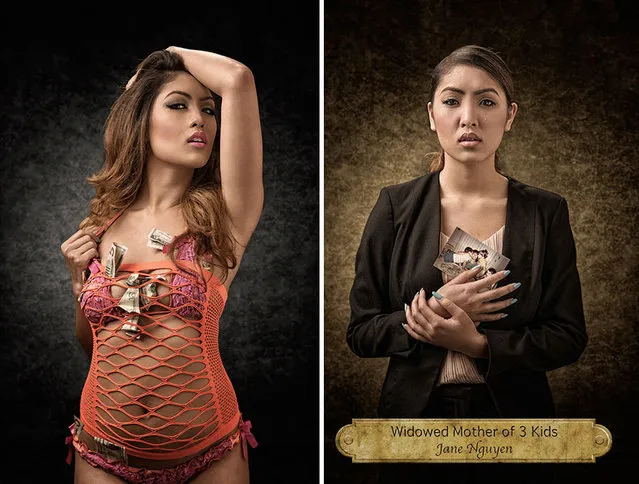
Judging America By Joel Pares

In his new powerful photo series "Judging America," photographer Joel Pares seamlessly fades photos of an unfounded ethnic stereotype with people's real professions. Starting with a simple photo that's based on the stereotypes associated with a person's appearance, Pares fades to their real profession to make us realize how deceiving looks can truly be.
Details
13 Oct 2014 20:03:00
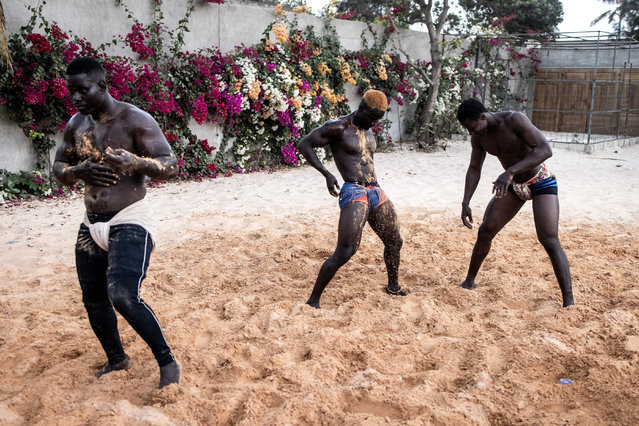
Senegalese wrestlers cover themselves in sand as they prepare to start their training program in Petit Mbao on March 29, 2021. As Covid-19 restrictions have been lifted, wrestlers now start prepare themselves for the start of wrestling tournaments. Senegalese wrestling, which has its roots in the ceremonies celebrating the end of harvests in Serer and Diola ethnic groups and remains surrounded by a thick cloud of mystical practice, is still extremely popular in this West African country. (Photo by John Wessels/AFP Photo)

Senegalese wrestlers cover themselves in sand as they prepare to start their training program in Petit Mbao on March 29, 2021. As Covid-19 restrictions have been lifted, wrestlers now start prepare themselves for the start of wrestling tournaments. Senegalese wrestling, which has its roots in the ceremonies celebrating the end of harvests in Serer and Diola ethnic groups and remains surrounded by a thick cloud of mystical practice, is still extremely popular in this West African country. (Photo by John Wessels/AFP Photo)
Details
09 Apr 2021 10:05:00
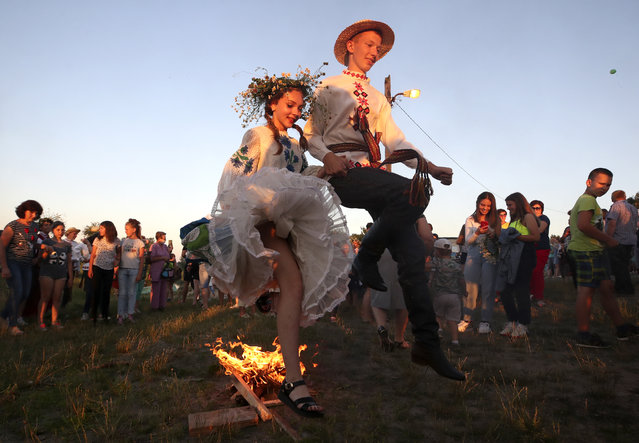
People in ethnic costumes jump over a bonfire during Ivan Kupala Day celebrations held by the Pripyat River in the town of Turauin Gomel Region, Belarus on July 6, 2020. Ivan Kupala Day, also known as Ivana-Kupala or Kupala Night, is a traditional pagan holiday celebrated in eastern Slavic cultures. Various rituals are traditionally performed on Kupala Night, including making flower wreaths, fortune-telling, jumping over bonfires, and burning a wheel-like effigy symbolizing the sun. (Photo by Natalia Fedosenko/TASS)

People in ethnic costumes jump over a bonfire during Ivan Kupala Day celebrations held by the Pripyat River in the town of Turauin Gomel Region, Belarus on July 6, 2020. Ivan Kupala Day, also known as Ivana-Kupala or Kupala Night, is a traditional pagan holiday celebrated in eastern Slavic cultures. Various rituals are traditionally performed on Kupala Night, including making flower wreaths, fortune-telling, jumping over bonfires, and burning a wheel-like effigy symbolizing the sun. (Photo by Natalia Fedosenko/TASS)
Details
19 Jul 2020 00:01:00