Loading...
Done
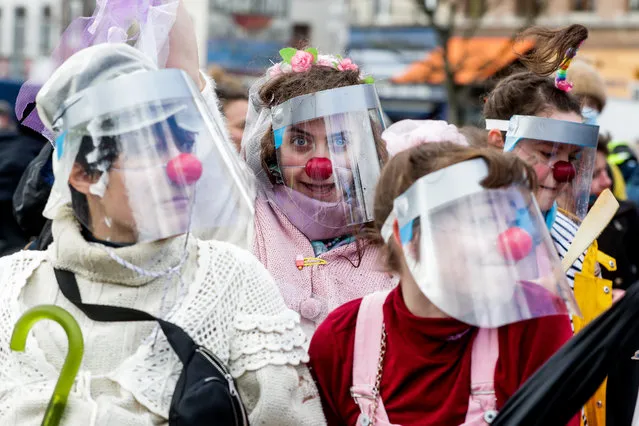
Participants of the “Still Standing for Culture” action of the cultural sector rally in Les Marolles neighborhood of Brussels, Belgium, 13 March 2021. Workers of the cultural sector along with second-hand dealers of the Jeu de Balle place gathered in Les Marolles to denounce the lack of financial support and call for solutions to the impact of the coronavirus crisis on culture professionals and the sector as a whole one year after the Covid-19 pandemic lockdowns started. (Photo by Stephanie Lecocq/EPA/EFE)

Participants of the “Still Standing for Culture” action of the cultural sector rally in Les Marolles neighborhood of Brussels, Belgium, 13 March 2021. Workers of the cultural sector along with second-hand dealers of the Jeu de Balle place gathered in Les Marolles to denounce the lack of financial support and call for solutions to the impact of the coronavirus crisis on culture professionals and the sector as a whole one year after the Covid-19 pandemic lockdowns started. (Photo by Stephanie Lecocq/EPA/EFE)
Details
14 Mar 2021 09:19:00
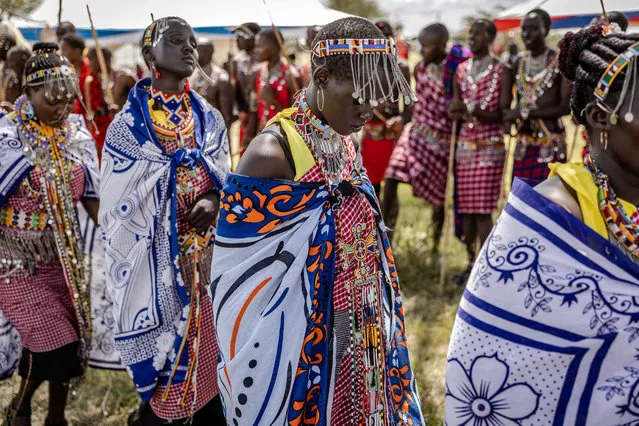
A group of Maasai women march while dancing traditional songs during a Maasai cultural festival in Sekenani, on June 10, 2023. The Maasai people are a Nilotic ethnic group inhabiting Kenya and northern Tanzania. The Maasai cultural festival is a popular gathering and celebration of the Maasai cultural heritage and aims to showcase the community's traditional activities and fashion. (Photo by Luis Tato/AFP Photo)

A group of Maasai women march while dancing traditional songs during a Maasai cultural festival in Sekenani, on June 10, 2023. The Maasai people are a Nilotic ethnic group inhabiting Kenya and northern Tanzania. The Maasai cultural festival is a popular gathering and celebration of the Maasai cultural heritage and aims to showcase the community's traditional activities and fashion. (Photo by Luis Tato/AFP Photo)
Details
20 Jun 2023 03:57:00
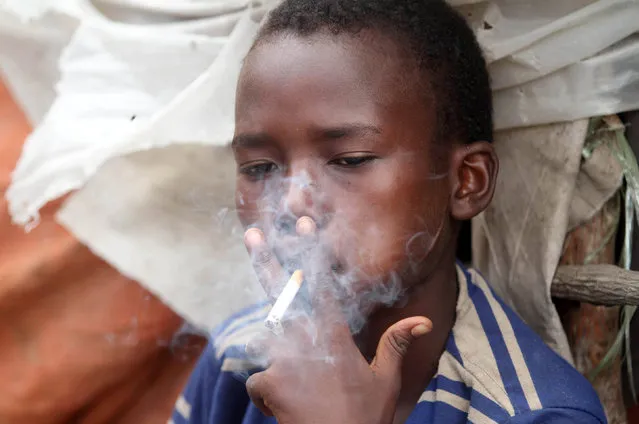
Abdulahi Yaroow, 13, smokes a cigarette while chewing khat at the same time in Mogadishu August 10, 2014. (Photo by Thomas Mukoya/Reuters)

Abdulahi Yaroow, 13, smokes a cigarette while chewing khat at the same time in Mogadishu August 10, 2014. Grown on plantations in the highlands of Kenya and Ethiopia, tonnes of khat, or qat, dubbed “the flower of paradise” by its users, are flown daily into Mogadishu airport, to be distributed from there in convoys of lorries to markets across Somalia. Britain, whose large ethnic Somali community sustained a lucrative demand for the leaves, banned khat from July as an illegal drug. This prohibition jolted the khat market, creating a supply glut in Somalia and pushing down prices, to the delight of the many connoisseurs of its amphetamine-like high. (Photo by Thomas Mukoya/Reuters)
Details
28 Aug 2014 10:35:00
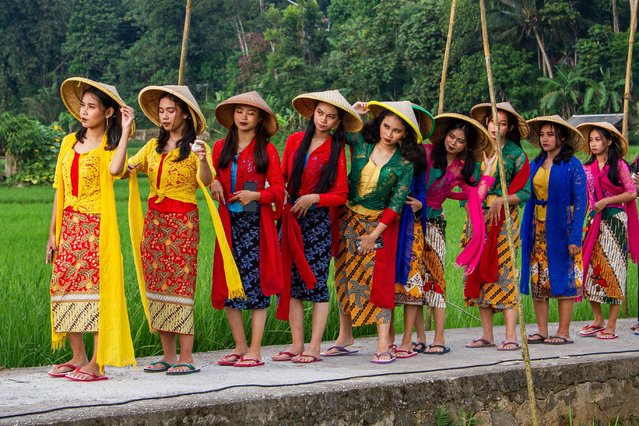
Dancers walk on rice fields during the Rice Field Festival in Baginda Village. The Rice Field Festival, organized by the Baginda Village Youth Organization, was held to maintain the local culture and art of Sundanese culture on May 5, 2024. (Photo by Algi Febri Sugita/ZUMA Press Wire/Alamy Live News)

Dancers walk on rice fields during the Rice Field Festival in Baginda Village. The Rice Field Festival, organized by the Baginda Village Youth Organization, was held to maintain the local culture and art of Sundanese culture on May 5, 2024. (Photo by Algi Febri Sugita/ZUMA Press Wire/Alamy Live News)
Details
05 Jun 2024 02:42:00
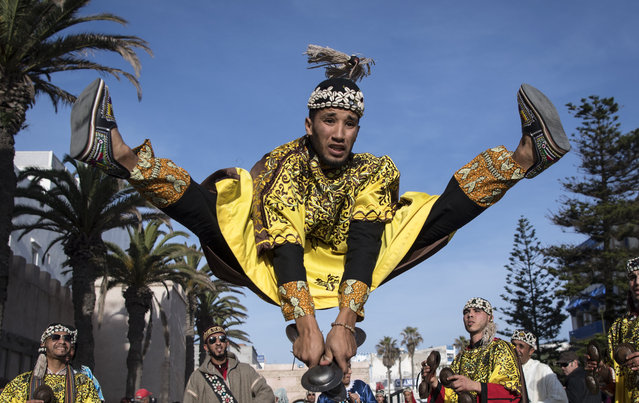
A Gnawa traditional group performs in the city of Essaouira on December 14, 2019, to celebrate the decision of adding the Gnawa culture to UNESCO's list of Intangible Cultural Heritage of Humanity. Gnawa culture, a centuries-old Moroccan practice rooted in music, African rituals and Sufi traditions, was added to UNESCO's list of Intangible Cultural Heritage of Humanity earlier in the week. Gnawa refers to a “set of musical productions, fraternal practices and therapeutic rituals where the secular mixes with the sacred”, according to the nomination submitted by Morocco. Often dressed in colourful outfits, Gnawa musicians play the guenbri, a type of lute with three strings, accompanied by steel castanets called krakebs. (Photo by Fadel Senna/AFP Photo)

A Gnawa traditional group performs in the city of Essaouira on December 14, 2019, to celebrate the decision of adding the Gnawa culture to UNESCO's list of Intangible Cultural Heritage of Humanity. Gnawa culture, a centuries-old Moroccan practice rooted in music, African rituals and Sufi traditions, was added to UNESCO's list of Intangible Cultural Heritage of Humanity earlier in the week. Gnawa refers to a “set of musical productions, fraternal practices and therapeutic rituals where the secular mixes with the sacred”, according to the nomination submitted by Morocco. Often dressed in colourful outfits, Gnawa musicians play the guenbri, a type of lute with three strings, accompanied by steel castanets called krakebs. (Photo by Fadel Senna/AFP Photo)
Details
18 Dec 2019 00:05:00
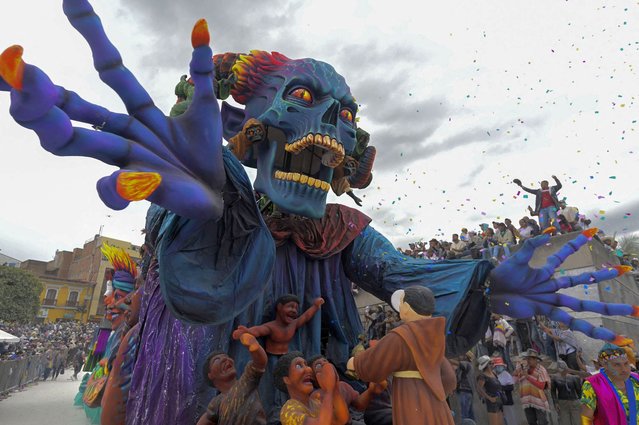
Picture of a float taking part in the “White Day” parade during the Carnival of Blacks and Whites in Pasto, Colombia on January 6, 2024. The Blacks and Whites carnival has its origins in a mix of Andean, Amazonian and Pacific cultural expressions, and it celebrates the ethnic diversity in the region and was proclaimed by UNESCO as intangible cultural heritage in 2009. (Photo by Joaquín Sarmiento/AFP Photo)

Picture of a float taking part in the “White Day” parade during the Carnival of Blacks and Whites in Pasto, Colombia on January 6, 2024. The Blacks and Whites carnival has its origins in a mix of Andean, Amazonian and Pacific cultural expressions, and it celebrates the ethnic diversity in the region and was proclaimed by UNESCO as intangible cultural heritage in 2009. (Photo by Joaquín Sarmiento/AFP Photo)
Details
17 Mar 2025 03:56:00
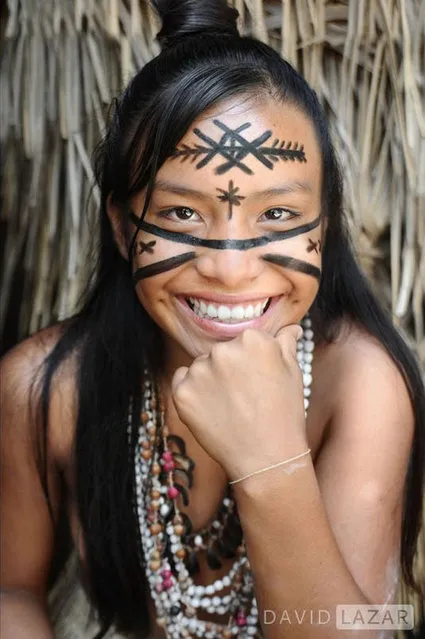
Amazon Tribe By David Lazar

David Lazar is a travel photographer and musician from Brisbane, Australia, who loves to capture moments of life, beauty and culture through photography. He is drawn to locations which have a rich cultural background and he is especially interested in portrait and landscape photography.
Details
24 Sep 2014 12:13:00
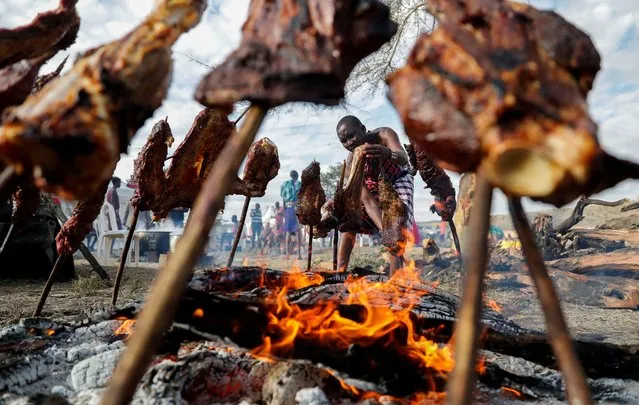
David Pariken 46, of the indigenous Maasai community, roasts meat at the inaugural Maa Cultural Week dubbed The Maa-Festival aimed to promote peace, tourism, and cultural exchange as the wildebeests (Connochaetes taurinus) make their annual cross border migration at the Sekenani village, in the Maasai Mara National Reserve, in Narok County, Kenya on August 22, 2023. (Photo by Thomas Mukoya/Reuters)

David Pariken 46, of the indigenous Maasai community, roasts meat at the inaugural Maa Cultural Week dubbed The Maa-Festival aimed to promote peace, tourism, and cultural exchange as the wildebeests (Connochaetes taurinus) make their annual cross border migration at the Sekenani village, in the Maasai Mara National Reserve, in Narok County, Kenya on August 22, 2023. (Photo by Thomas Mukoya/Reuters)
Details
07 Sep 2023 02:53:00