Loading...
Done
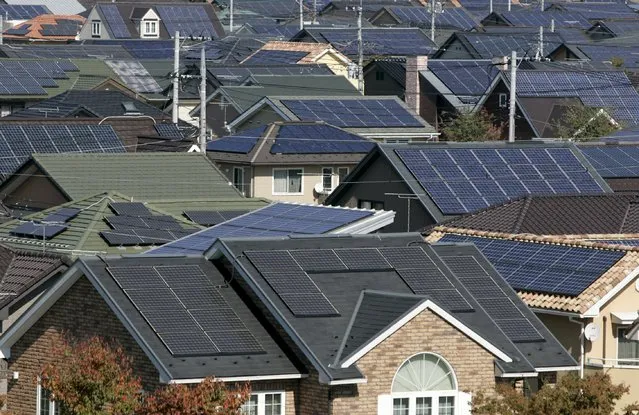
Rooftops of solar powered houses are pictured in Ota, 80 km northwest of Tokyo in this October 28, 2008 file photo. One by one, Japan is turning off the lights at the giant oil-fired power plants that propelled it to the ranks of the world's top industrialised nations. With nuclear power in the doldrums after the Fukushima disaster, it's solar energy that is becoming the alternative. (Photo by Yuriko Nakao/Reuters)

Rooftops of solar powered houses are pictured in Ota, 80 km northwest of Tokyo in this October 28, 2008 file photo. One by one, Japan is turning off the lights at the giant oil-fired power plants that propelled it to the ranks of the world's top industrialised nations. With nuclear power in the doldrums after the Fukushima disaster, it's solar energy that is becoming the alternative. Solar power is set to become profitable in Japan as early as this quarter, according to the Japan Renewable Energy Foundation (JREF), freeing it from the need for government subsidies and making it the last of the G7 economies where the technology has become economically viable. (Photo by Yuriko Nakao/Reuters)
Details
24 Nov 2015 08:04:00
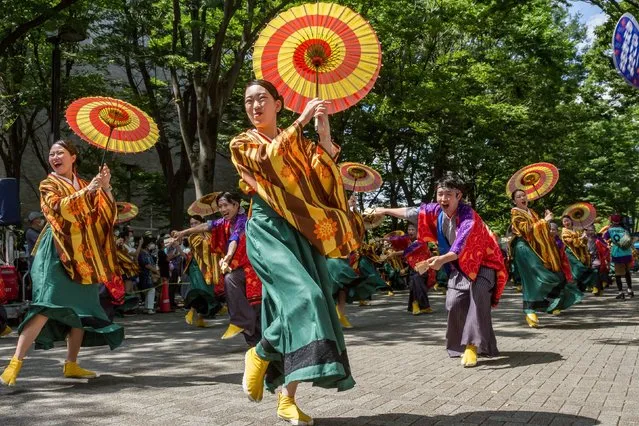
Dancers perform at the Harajuku Omotesando Super Yosakoi Dance festival in Shibuya, Tokyo on August 27, 2022. Super Yosakoi festival, is a two day festival that sees thousands of dancers, in hundreds of teams, energetically perform this unique Japanese dance style that combines traditional and more modern elements of movement and costume. (Photo by Damon Coulter/SOPA Images/Rex Features/Shutterstock)

Dancers perform at the Harajuku Omotesando Super Yosakoi Dance festival in Shibuya, Tokyo on August 27, 2022. Super Yosakoi festival, is a two day festival that sees thousands of dancers, in hundreds of teams, energetically perform this unique Japanese dance style that combines traditional and more modern elements of movement and costume. (Photo by Damon Coulter/SOPA Images/Rex Features/Shutterstock)
Details
07 Sep 2022 05:17:00
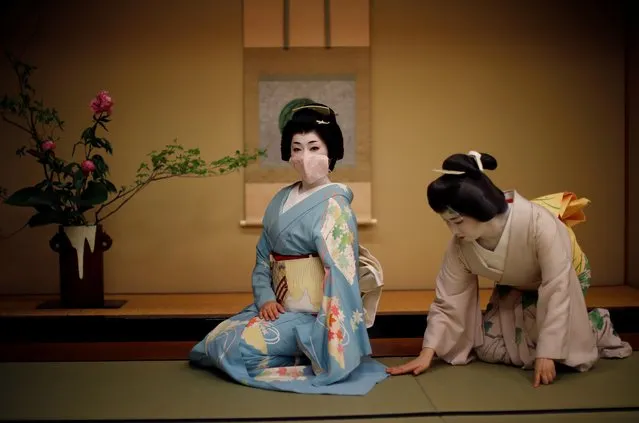
Mayu adjusts Koiku’s kimono, as Koiku wears a protective face mask while posing for a photograph, before they work at a party where they will entertain with other geisha at Japanese luxury restaurant Asada in Tokyo, Japan, June 23, 2020. The coronavirus pandemic has made Tokyo's geisha fear for their centuries-old profession as never before. Though the number of geisha - famed for their witty conversation, beauty and skill at traditional arts - has been falling for years, they were without work for months due to Japan's state of emergency and now operate under awkward social distancing rules. Engagements are down 95 percent, and come with new rules: no pouring drinks for customers or touching them even to shake hands, and sitting 2 meters apart. Masks are hard to wear with their elaborate wigs, so they mostly don't. “I was just full of anxiety”, said Mayu, 47. “I went through my photos, sorted my kimonos ... The thought of a second wave is terrifying”. (Photo by Kim Kyung-Hoon/Reuters)

Mayu adjusts Koiku’s kimono, as Koiku wears a protective face mask while posing for a photograph, before they work at a party where they will entertain with other geisha at Japanese luxury restaurant Asada in Tokyo, Japan, June 23, 2020. (Photo by Kim Kyung-Hoon/Reuters)
Details
23 Jul 2020 00:03:00


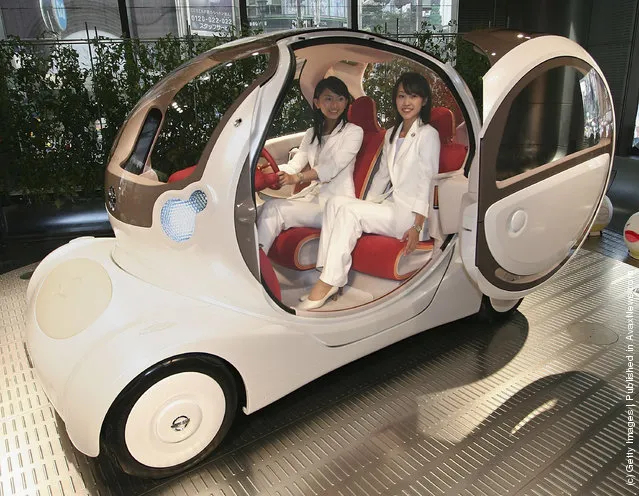
“Pivo”, Nissan's concept car is introduced at Nissan's Gallery on September 30, 2005 in Tokyo, Japan. “Pivo” is an electric car in which the direction of the cabin moves 180 degrees, therefore, when making a turn in a different direction, it simply needs to move the cabin without moving the car. (Photo by Koichi Kamoshida/Getty Images)
Details
17 May 2011 09:23:00
Twenty-Year-Old People Celebrate Coming-Of-Age Around Japan

A Japanese twenty-year-old woman enjoys a cigarette during the annual Coming-of-Age Day ceremony at Toshimaen Amusement Park on January 11, 2010 in Tokyo, Japan. 1.27 million young people celebrate their passage into adulthood on the day while they become eligible to drink alcohol, smoke and vote at the age of 20. (Photo by Koichi Kamoshida/Getty Images)
Details
18 Dec 2011 12:32:00
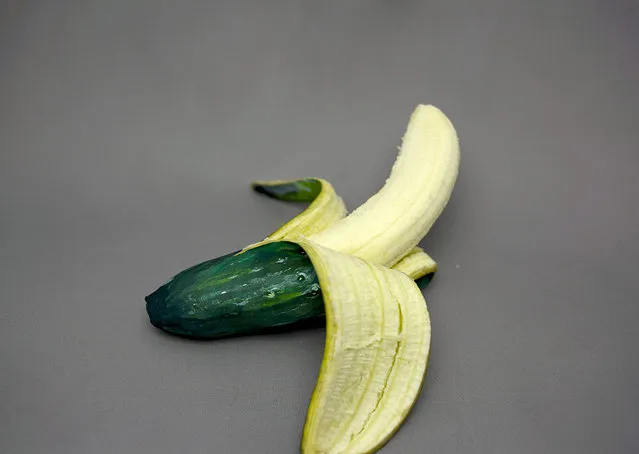
It’s Not What It Seems By Artist Hikaru Cho

Japanese artist Hikaru Cho is already well-known for her bizarre and realistic body paintings, but now the Tokyo-based artist has applied her talent to everyday food items as well. In her playful “It’s Not What It Seems” series, she turns common foods into other kinds of food using only acrylic paint and her extraordinary talent.
Details
22 Mar 2014 11:32:00
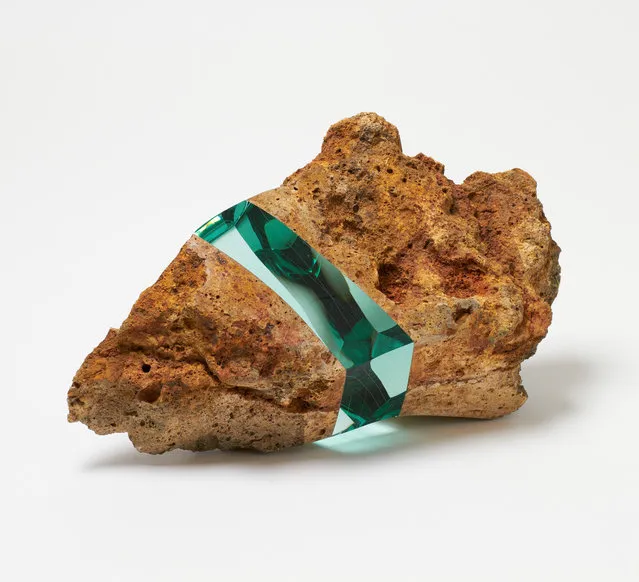
Stone with Glass Layer By Ramon Todo

Born in Tokyo, Dusseldorf-based artist Ramon Todo creates beautiful textural juxtapositions using layers of glass in unexpected places. Starting with various stones, volcanic rock, fragments of the Berlin wall, and even books, the artist inserts perfectly cut glass fragments that seem to slice through the object resulting in segments of translucence where you would least expect it.
Details
07 Nov 2013 09:28:00
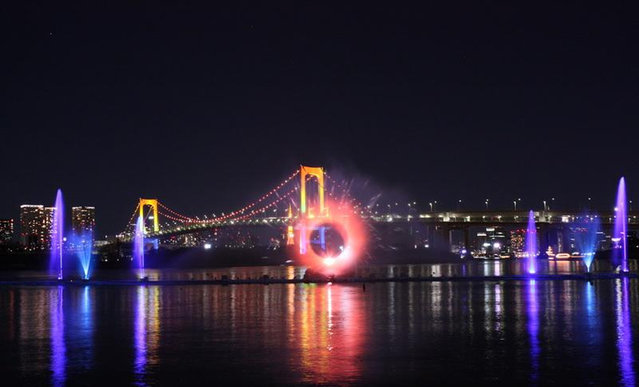
Japan Odaiba Water Illumination

An image of a breaching whale is projected on a screen created by a water fountain during the Odaiba water illumination show in Tokyo. The show, which projects images of whales, sharks, tropical fish and Easter Island statues on a water screen 23 meters tall and 60 meters wide, will be held through April 11.
Details
09 Aug 2012 12:20:00