Loading...
Done
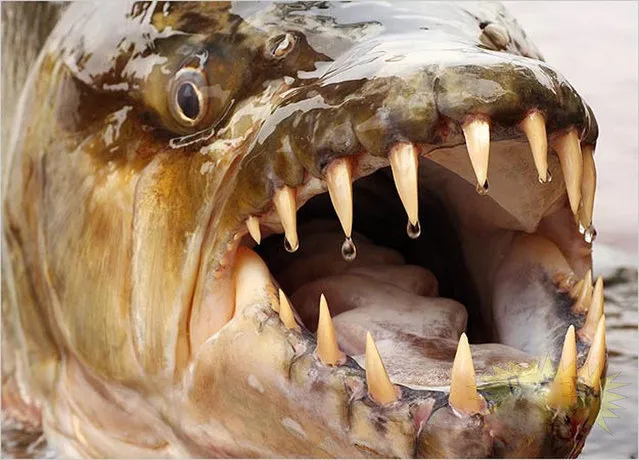
Hydrocynus goliath, also known as the goliath tigerfish, giant tigerfish or mbenga

“Hydrocynus goliath, also known as the goliath tigerfish, giant tigerfish or mbenga, is a very large African predatory freshwater fish. The giant tigerfish is restricted to the Zaire River system, Lualaba River, Lake Upemba and Lake Tanganyika”. (Photo by Tigerfishcamp / Tourettefishing / Bigfishesoftheworld)
Details
15 May 2012 12:04:00
animals famous

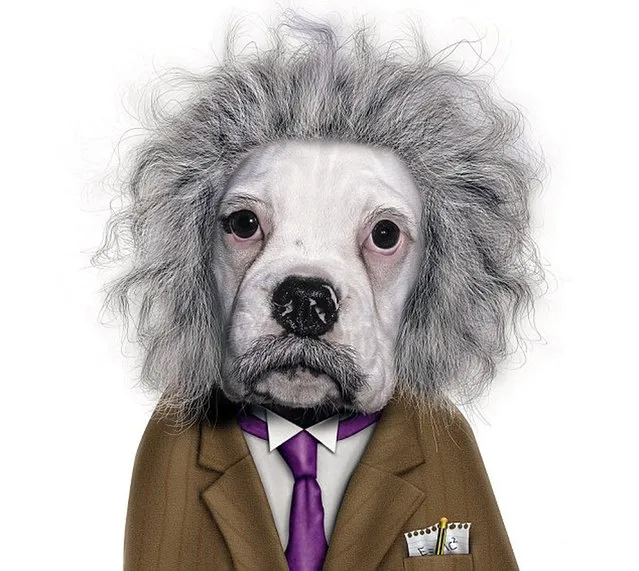
The kiddipops has these animal celebrity portraits in a diary and they have always given us a giggle. The company behind them is ‘Takkoda‘- the name is derived from the Sioux word meaning ‘Friend to all’. The company was started by two couples with a love of animals; who see pets as being big personalities, not as ‘chocolate box’ images. Takkoda is all about funny images of our favourite friends. They photograph real pets in their homes and capture their natural expressions in their natural state! Later they develop their characters by dressing them up digitally to bring out their iconic personalities.
Details
07 Jul 2012 06:22:00
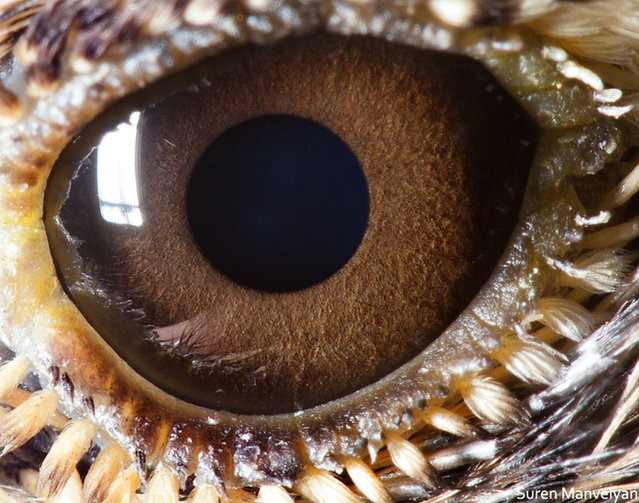
Animal Eyes by Suren Manvelyan

Born in 1976, Suren started to photograph when he was sixteen and became a professional photographer in 2006. His photographic interests span from Macro to Portraits, Creative photo projects, Landscape, and much more.
Details
14 Sep 2012 12:22:00
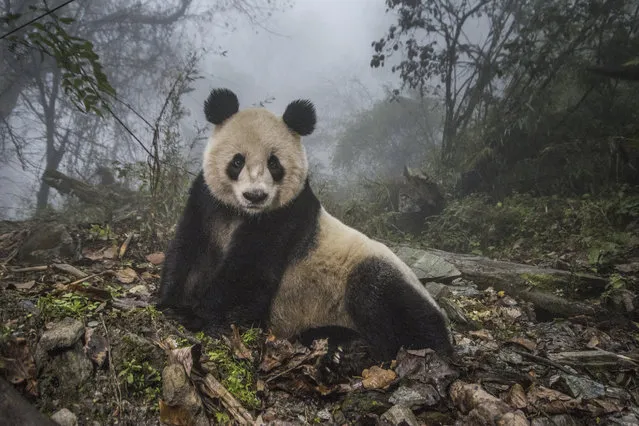
16-year-old panda, Ye Ye, rests in an enclosure at the Wolong Nature Reserve, a conservation center that trains pandas for release into the wild. This image was published in the August 2016 National Geographic magazine as part of the “Pandas Gone Wild” story. (Photo by Ami Vitale/National Geographic Creative)

16-year-old panda, Ye Ye, rests in an enclosure at the Wolong Nature Reserve, a conservation center that trains pandas for release into the wild. This image was published in the August 2016 National Geographic magazine as part of the “Pandas Gone Wild” story. (Photo by Ami Vitale/National Geographic Creative)
Details
10 Sep 2017 07:56:00
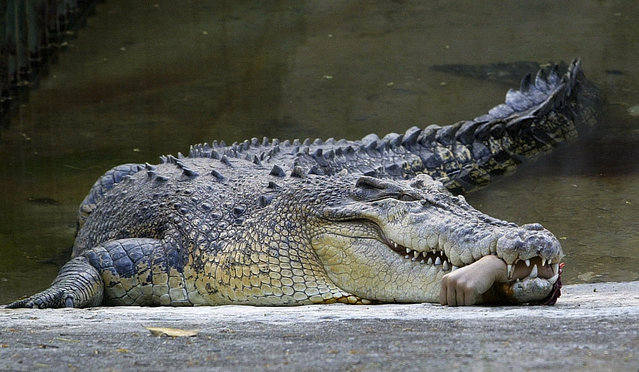
A crocodile at a zoo in the southern Taiwan city of Kaohsiung holds the forearm of a zoo veterinarian in its teeth, April  2007. Surgeons in Taiwan have reattached a vet's arm, after it was bitten off by a crocodile as he tried to give it an anaesthetic injection. His attacker is one of a pair of Nile crocodiles kept at Shoushan zoo. Nile crocodiles are known to be man-eaters, but are also listed as an endangered species. (Photo by Frank Lin/Reuters)

A crocodile at a zoo in the southern Taiwan city of Kaohsiung holds the forearm of a zoo veterinarian in its teeth, April 2007. Surgeons in Taiwan have reattached a vet's arm, after it was bitten off by a crocodile as he tried to give it an anaesthetic injection. His attacker is one of a pair of Nile crocodiles kept at Shoushan zoo. Nile crocodiles are known to be man-eaters, but are also listed as an endangered species. (Photo by Frank Lin/Reuters)
Details
31 Jul 2016 11:14:00
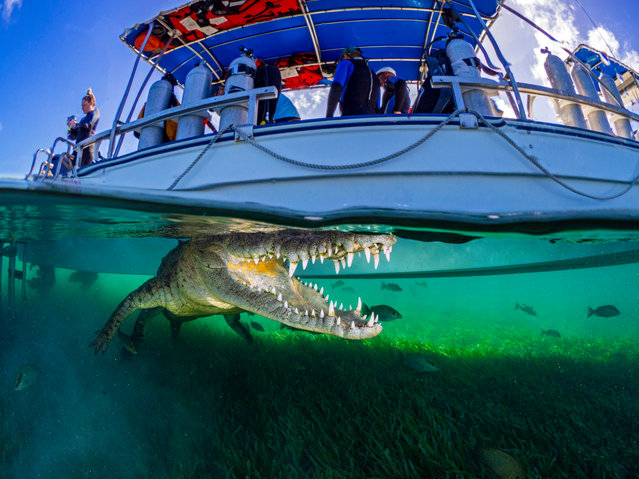
British holidaymaker Sean Chinn captures a crocodile on camera during a dive at the Jardines de la Reina marine park in Caribbean Sea, Cuba. (Photo by Sean Chinn/Caters News Agency)

British holidaymaker Sean Chinn captures a crocodile on camera during a dive at the Jardines de la Reina marine park in Caribbean Sea, Cuba. (Photo by Sean Chinn/Caters News Agency)
Details
04 Nov 2018 00:03:00
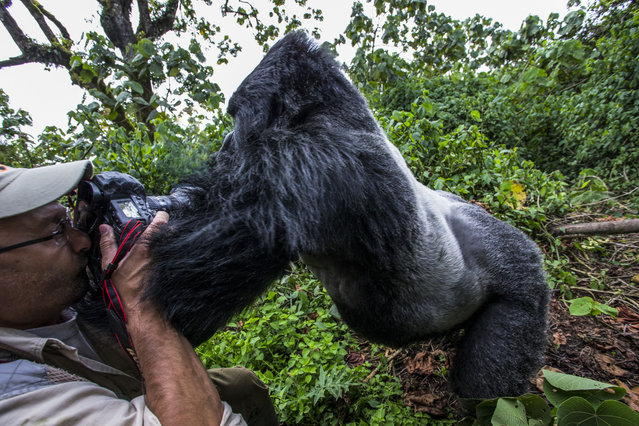
Christophe Vasselin gets pushed over by a gorilla. (Photo by Christophe Vasselin/Caters News Agency)

The snaps show photographers from around the world, who are willing to do just about anything for the perfect picture – whether that be tussling with a seal or withstanding a sharp shove from an angry gorilla. Other brave snappers can be seen getting up close and personal with leopards and great white sharks as they persist in getting the ultimate wildlife shot. Here: Christophe Vasselin gets pushed over by a gorilla. (Photo by Christophe Vasselin/Caters News Agency)
Details
30 Nov 2018 00:03:00


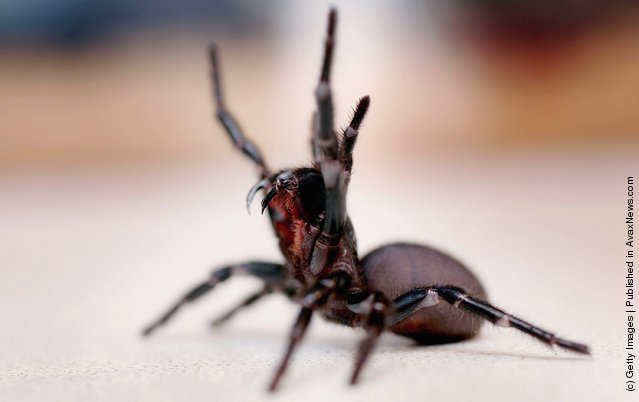
A Funnel Web spider is pictured at the Australian Reptile Park January 23, 2006 in Sydney, Australia. The Funnel Web is one of Australia's deadliest animals, with a venom that is packed with at least 40 different toxic proteins. A bite from a Funnel Web causes massive electrical over-load in the body's nervous system. Finally, fatalities occur from either heart attack or a pulmonary oedema, where the capillaries around the lungs begin to leak fluid and the patient effectively drowns. Death can come as quickly as two hours after a bite if no medical treatment is sought. Due to advances in anti-venom, there has been no death from a Funnel Web bite in Australia since 1980. Australia is home to some of the most deadly and poisonous animals on earth. (Photo by Ian Waldie/Getty Images)

Details
25 Apr 2011 07:49:00