Loading...
Done
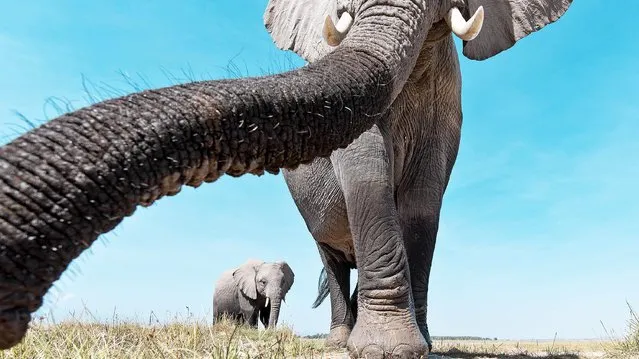
An elephant in Amboseli National Park in Kenya, June 2021. Gurcharan Roopra, 42, a Nairobi-born engineer-turned-wildlife photographer, has dedicated the past four years of his career to photographing these animals. He spends hours in his workshop camouflaging and encasing his equipment with protective gear before laying his camera in the path of lions, elephants, rhino, zebra and buffalo. (Photo by Gurcharan Roopra/Mercury Press)

An elephant in Amboseli National Park in Kenya, June 2021. Gurcharan Roopra, 42, a Nairobi-born engineer-turned-wildlife photographer, has dedicated the past four years of his career to photographing these animals. He spends hours in his workshop camouflaging and encasing his equipment with protective gear before laying his camera in the path of lions, elephants, rhino, zebra and buffalo. (Photo by Gurcharan Roopra/Mercury Press)
Details
24 Feb 2024 08:48:00
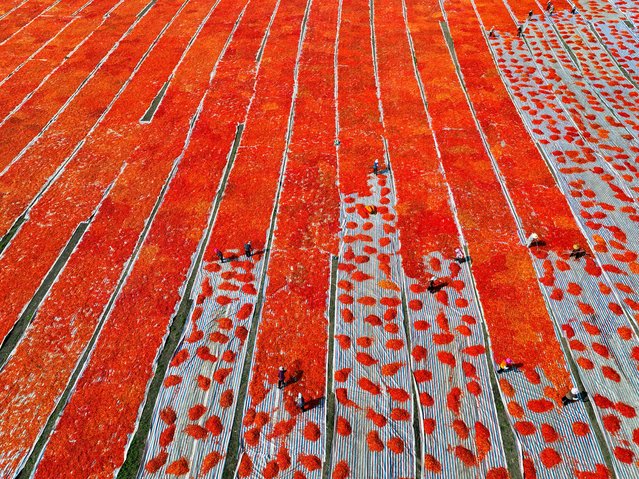
Aerial view of villagers drying chili peppers at a rural cooperative on August 21, 2024 in Bozhou, Anhui Province of China. (Photo by Yang Zhongqin/VCG via Getty Images)

Aerial view of villagers drying chili peppers at a rural cooperative on August 21, 2024 in Bozhou, Anhui Province of China. (Photo by Yang Zhongqin/VCG via Getty Images)
Details
12 Sep 2024 03:20:00
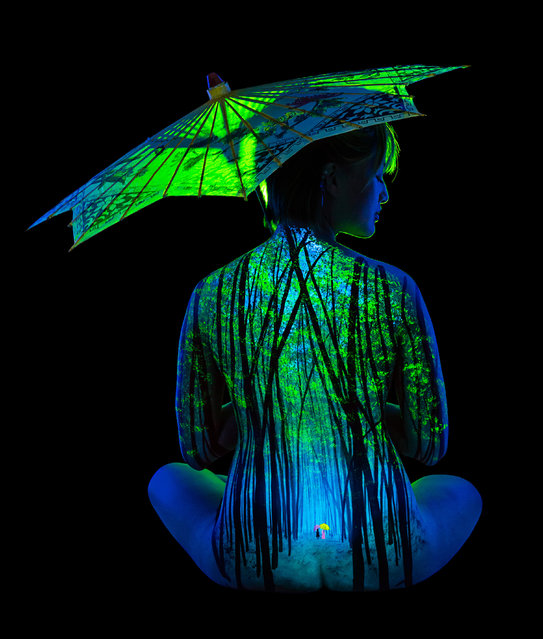
“Bamboo Mist”. (Photo by John Poppleton/Caters News)

A bodypainter uses UV paint to create electrifying masterpieces of stunning landscapes on models. John Poppletons vibrant Bodyscapes feature bright savannahs, lightning storms and vivid galaxies leaping from the bodies of his subjects. The artist, who lives in Wellsville in Utah, USA, uses a black light on his paintings to make them look as close to real life as possible. He predominantly uses female models and often paints across their backs to give him the largest surface area to work with. Here: “Bamboo Mist”. (Photo by John Poppleton/Caters News)
Details
17 Jul 2015 13:56:00
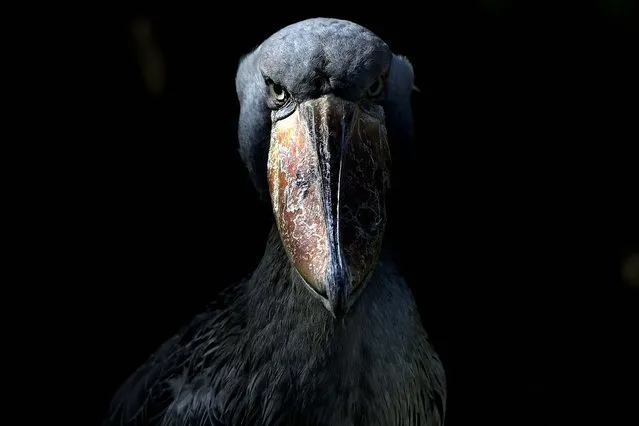
A shoebill is displayed at Ueno Zoo in Tokyo August 28, 2012. (Photo by Itsuo Inouye/Associated Press)

A shoebill is displayed at Ueno Zoo in Tokyo August 28, 2012. (Photo by Itsuo Inouye/Associated Press)
Details
04 Sep 2012 11:23:00
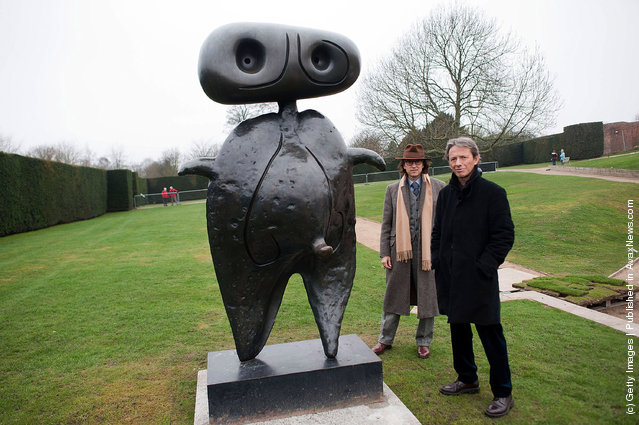
Joan Miro's, grandsons, Emilio Fernandez Miro and Joan Punyet Miro pose beside Personnage (1970) in the Yorkshire Sculpture park

“Joan Miro i Ferra (April 20, 1893 – December 25, 1983) was a Spanish Catalan painter, sculptor, and ceramicist born in Barcelona. Earning international acclaim, his work has been interpreted as Surrealism, a sandbox for the subconscious mind, a re-creation of the childlike, and a manifestation of Catalan pride. In numerous interviews dating from the 1930s onwards, Miro expressed contempt for conventional painting methods as a way of supporting bourgeois society, and famously declared an “assassination of painting” in favour of upsetting the visual elements of established painting”. – Wikipedia

Photo: Joan Miro's, grandsons, Emilio Fernandez Miro and Joan Punyet Miro pose beside Personnage (1970) in the Yorkshire Sculpture park on March 14, 2012 in Wakefield, England. Yorkshire Sculpture Park stages the first major UK survey of sculpture by Spanish artist Joan Miro. (Photo by Bethany Clarke/Getty Images)
Details
15 Mar 2012 13:47:00


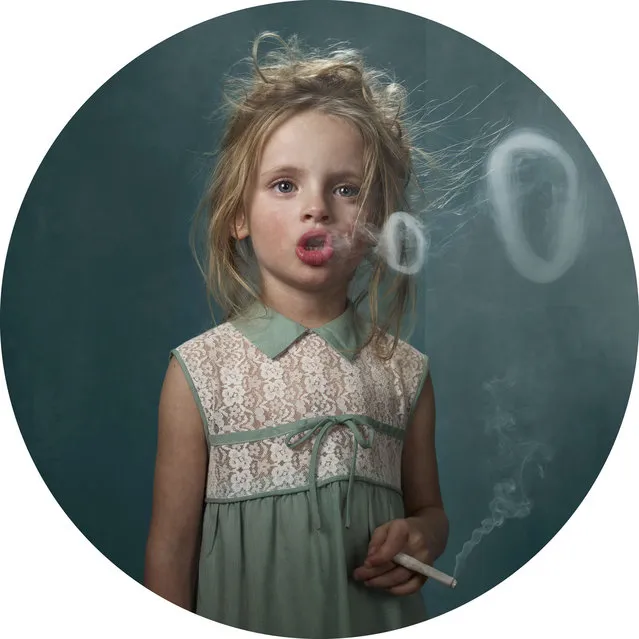
A YouTube video of a chainsmoking Indonesian toddler inspired me to create this series, "Smoking Kids". The video highlighted the cultural differences between the east and west, and questioned notions of smoking being a mainly adult activity. Adult smokers are the societal norm, so I wanted to isolate the viewer's focus upon the issue of smoking itself. I felt that children smoking would have a surreal impact upon the viewer and compel them to truly see the acts of smoking rather than making assumptions about the person doing the act. ... ~Frieke Janssen
Details
07 Aug 2012 01:56:00
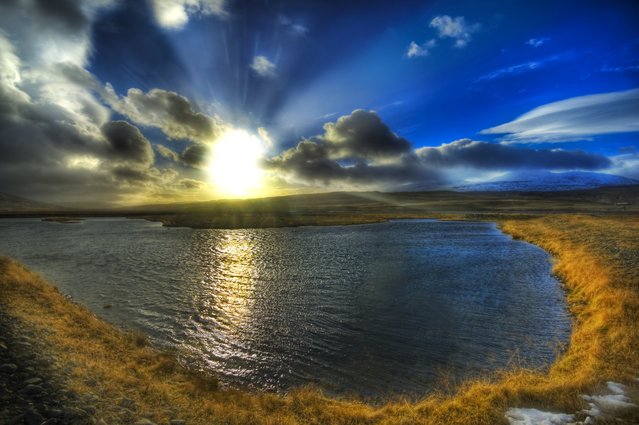
“The Trouble with Iceland is that there is none”. (Trey Ratcliff)

“The Trouble with Iceland is that there is none”. (Photo by Trey Ratcliff)

Details
28 Feb 2013 12:34:00
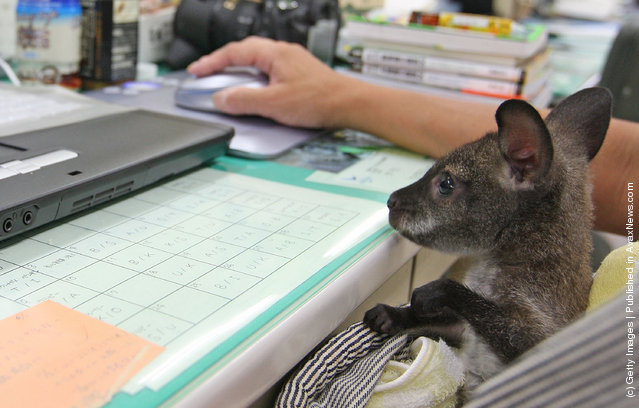
A baby wallaby

“Very small forest-dwelling wallabies are known as pademelons (genus Thylogale) and dorcopsises (genera Dorcopsis and Dorcopsulus). The name wallaby comes from the Eora Aboriginal tribe who were the original inhabitants of the Sydney area. Wallabies are herbivores whose diet consists of a wide range of grasses, vegetables, leaves, and other types of foliage”. – Wikipedia

Photo: A baby wallaby sits in a zoo attendant's lap at Edogawa Natural Zoo on August 4, 2009 in Tokyo, Japan. The staff of the zoo have raised the young wallaby after her mother neglected her. (Photo by Junko Kimura/Getty Images)
Details
07 Sep 2011 13:33:00