Loading...
Done
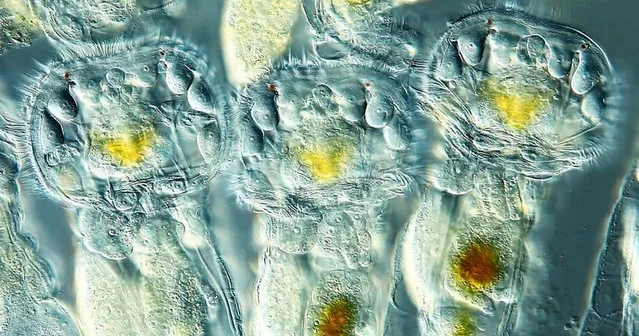
Olympus BioScapes Digital Imaging Competition 2012

Microscope images forge an extraordinary bond between science and art, said Hidenao Tsuchiya, Olympus America's Vice President and General Manager for the Scientific Equipment Group. We founded this competition to focus on the fascinating stories coming out of today's life science research laboratories. The thousands of images that people have shared with the competition over the years reflect some of the most exciting work going on in research today – work that can help shed light on the living universe and ultimately save lives. We look at BioScapes and these beautiful images as sources of education and inspiration to us and the world
Details
23 Dec 2012 15:57:00
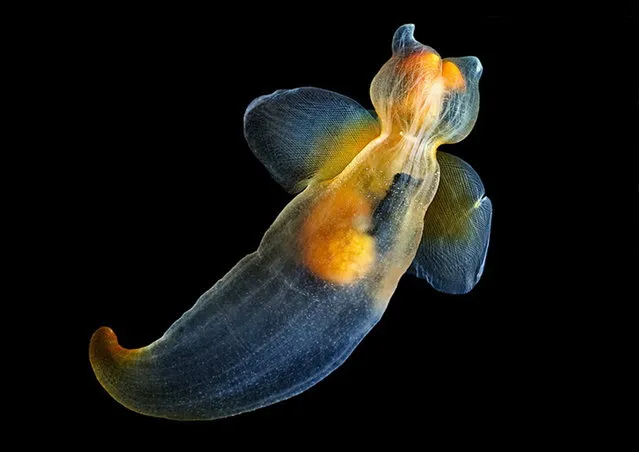
Underwater Photography By Alexander Semenov

In 2007, I graduated from Lomonosov’s Moscow State University in the department of Zoology. I specialized in the study of invertebrate animals, with an emphasis on squid brains. Soon after, I began working at the White Sea Biological Station (WSBS) as a senior laborer. WSBS has a dive station, which is great for all sorts of underwater scientific needs, and after 4 years working there, I became chief of our diving team. I now organize all WSBS underwater projects and dive by myself with a great pleasure and always with a camera.
Details
05 Feb 2013 15:28:00
ROBOY: Tendon Driven Humanoid Robot

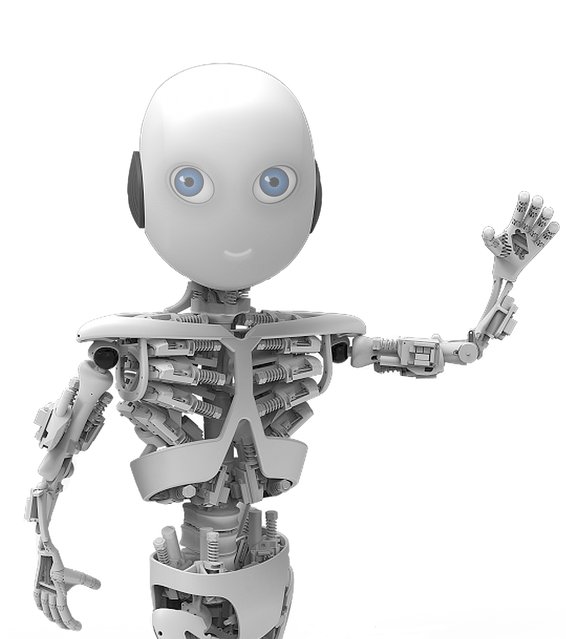
Roboy has a bright future, as he represents a completely new generation of robots. The pioneer project of the Artificial Intelligence Laboratory (AI Lab) of the University of Zurich started six months ago, with the target of developing one of the most modern humanoid robots within nine months. Now the robot has received a new face and is able to move his arms driven by maxon DC motors. On March 9, 2013, Roboy will be presented to the public at the “Robots on Tour” robotics exhibition held in Zurich on the 25th anniversary of the lab.
Details
06 Mar 2013 10:10:00
Surrealistic Sculptures By Michael Alfano

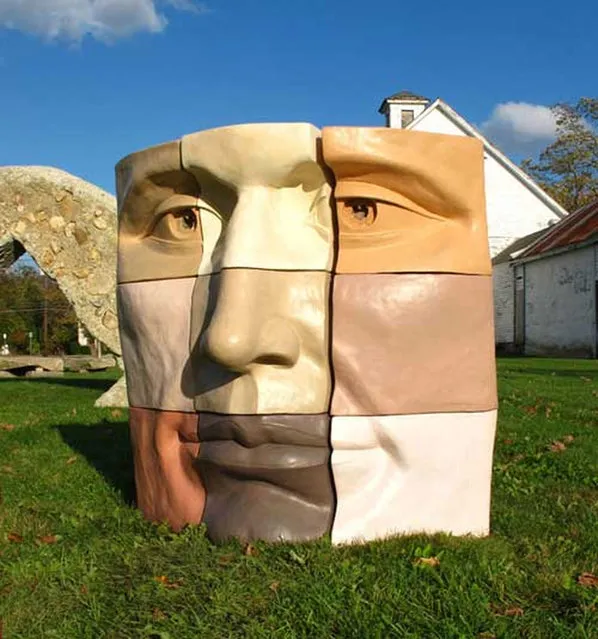
American sculptor Michael Alfano has been sculpting for over fifteen years. A native of New York, he now lives and works in Hopkinton, Massachusetts. His major influences are Salvador Dali, Jo Davidson, and Jean-Antoine Houdon, as well as Buddhist, Taoist, Sufi and other eastern philosophy and literature. He first studied at the Art Students League of New York, with an emphasis on life-size sculpture from the model. His formal education continued at Boston University and was augmented by internships with several prominent sculptors.
Details
21 Jul 2013 10:18:00


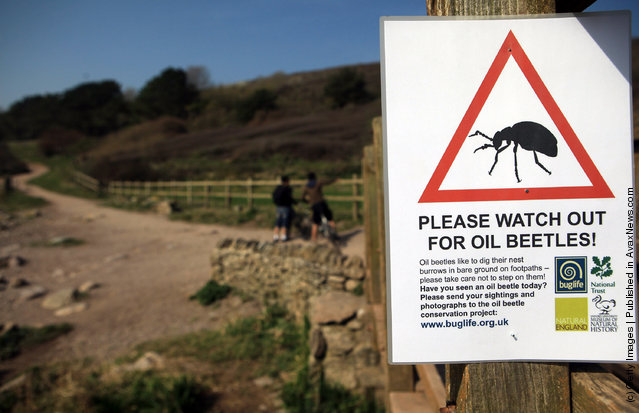
People enjoy the fine weather on the coast at Wembury during the first ever nationwide survey to map the location of the threatened and creatures on March 24, 2011 in near Plymouth, England. Often found on the coast, and particularly in the south west of England, the number of oil beetle species found in the UK has halved in the last 100 years and the survey will help establish the whereabouts of the remaining four species and boost efforts to secure their future. The survey is being launched today by Buglife: The Invertebrate Trust and the National Trust in partnership with Natural England and Oxford University Museum of Natural History. (Photo by Matt Cardy/Getty Images)
Details
25 Mar 2011 15:20:00
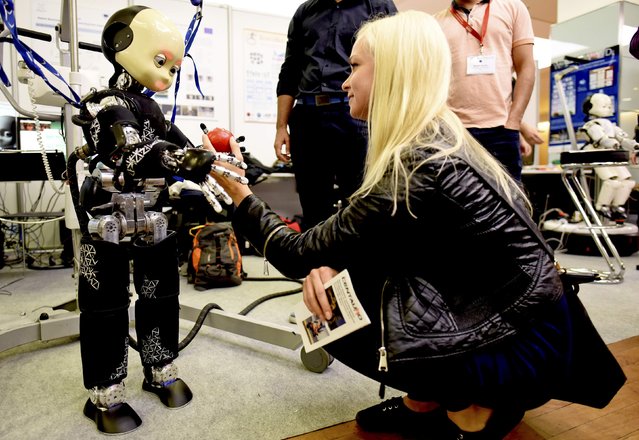
A visitor kneels down nex to an iCub robot made by the Italian Institute of Technology at the scientists congress IROS 2015 in Hamburg, Germany October 2, 2015. (Photo by Fabian Bimmer/Reuters)

A visitor kneels down nex to an iCub robot made by the Italian Institute of Technology at the scientists congress IROS 2015 in Hamburg, Germany October 2, 2015. The robot congress is organized by TAMS group (Technical Aspects of Multimodal Systems) of Hamburg's university. (Photo by Fabian Bimmer/Reuters)
Details
05 Oct 2015 08:01:00
An aerial view shows a sinkhole 3.5 km (2 miles) to the east of Solikamsk-2 mine in Perm region, November 20, 2014. Shares in Russia's Uralkali, the world's top potash producer, fell sharply for a second day on Wednesday after a mine accident that could reduce global supplies and push up prices of the crop nutrient worldwide. (Photo by Reuters/Press service of Uralkali company)

An aerial view shows a sinkhole 3.5 km (2 miles) to the east of Solikamsk-2 mine in Perm region, November 20, 2014. Shares in Russia's Uralkali, the world's top potash producer, fell sharply for a second day on Wednesday after a mine accident that could reduce global supplies and push up prices of the crop nutrient worldwide. Uralkali shares have fallen 28 percent since Tuesday when it suspended work at its Solikamsk-2 mine, which accounts for a fifth of the company's output and 3.5 percent of global capacity, following an inflow of water. A sinkhole, stretching 30 by 40 metres (yards), found at an abandoned mine 3.5 km (2 miles) to the east, increased concern about the future of the mine because an inflow of water and the resulting sinkhole in 2006 forced another Uralkali operation to shut permanently. (Photo by Reuters/Press service of Uralkali company)
Details
22 Nov 2014 13:51:00
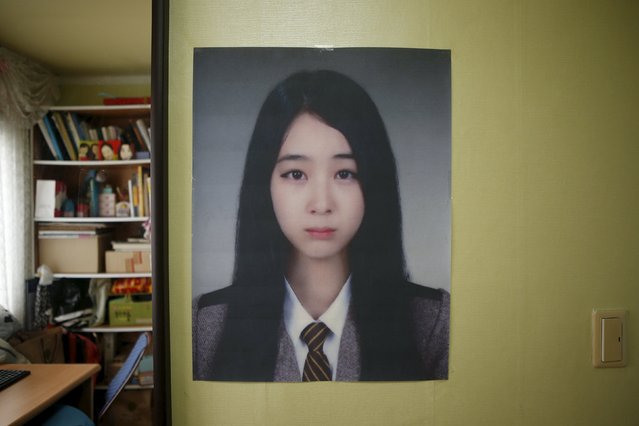
A picture of Moon Ji-sung, a high school student who died in the Sewol ferry disaster, hangs in her room in Ansan April 7, 2015. Her dream was to be a flight attendant. (Photo by Kim Hong-Ji/Reuters)

A picture of Moon Ji-sung, a high school student who died in the Sewol ferry disaster, hangs in her room in Ansan April 7, 2015. Her dream was to be a flight attendant. Nearly a year after the Sewol ferry sank on April 16, 2014, with the death of 250 students, some families keep their children’s bedrooms intact to remember and honour their loved ones. More than 300 people, most of them students and teachers from Danwon High School, are dead, or missing and presumed dead, after the Sewol ferry sank on a routine trip from the port of Incheon, near Seoul, to the holiday island of Jeju. (Photo by Kim Hong-Ji/Reuters)
Details
14 Apr 2015 11:18:00