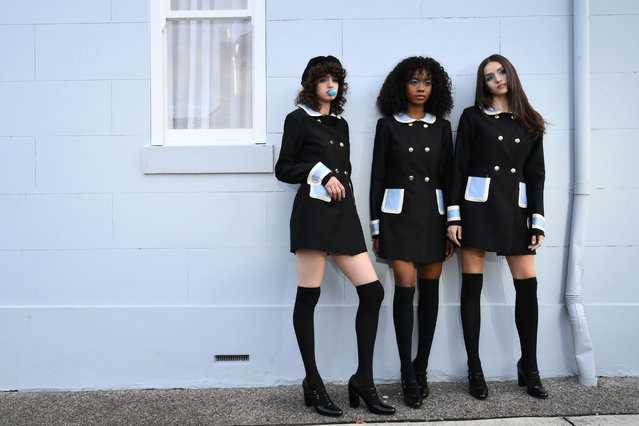
Models pose during the Macgraw presentation show during Afterpay Australian Fashion Week 2023 on May 18, 2023 in Sydney, Australia. (Photo by James Gourley/Getty Images for AAFW)
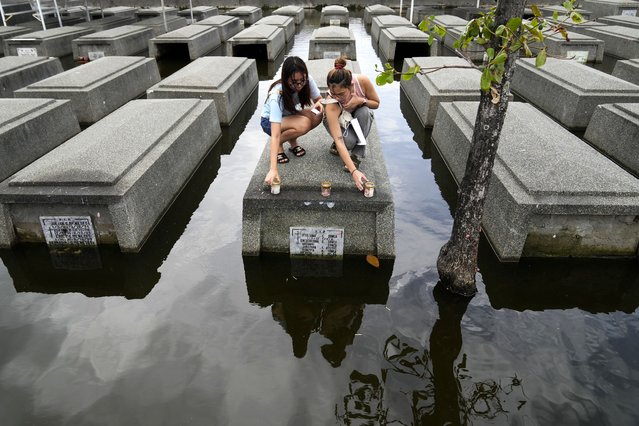
Women place candles on the half-submerged tomb of family members at flood-prone Holy Spirit Memorial Park in Masantol, Pampanga province, Philippines after heavy rains from recent tropical storm Trami caused water to become higher than usual, ahead of All Saints Day, Thursday October 31, 2024. (Photo by Aaron Favila/AP Photo)
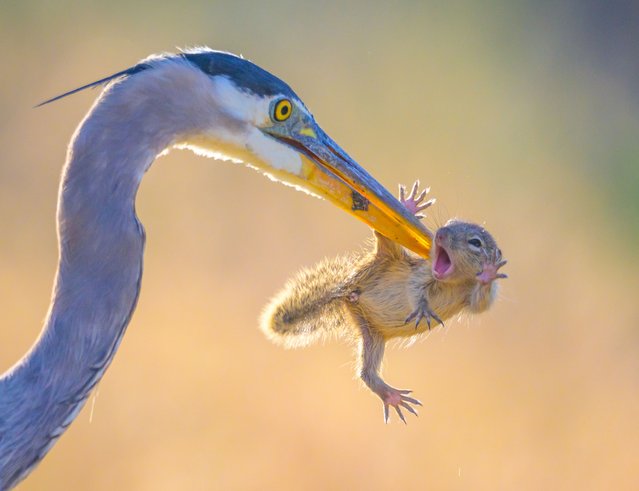
A squirrel fights for its life in the bill of a great blue heron at the Mission Trails Regional Park in California in the second decade of April 2025. (Phoot by Decker Nomura/Solent News & Photo Agency)
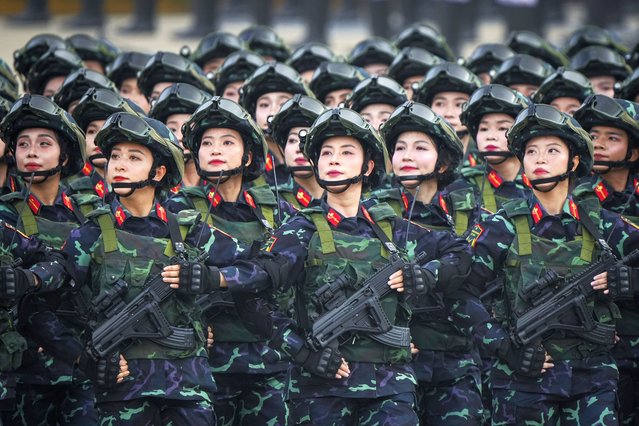
Vietnamese troops march during a parade celebrating the 80th anniversary of independence in Hanoi, Vietnam Tuesday, September 2, 2025. (Photo by Vincent Thian/AP Photo)
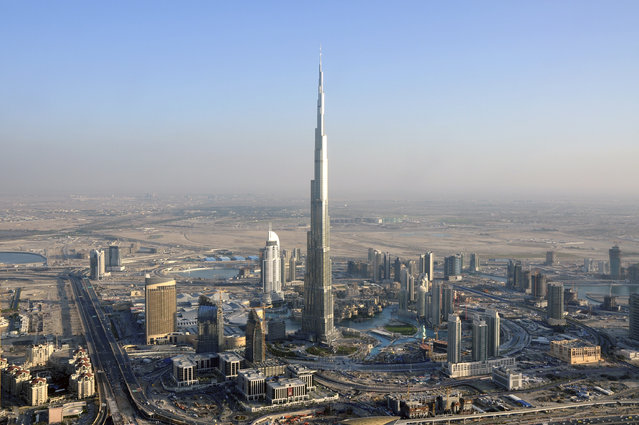
1: Dubai's Burj Khalifa is the tallest building in the world, but perhaps not for long. Saudi Arabia has announced plans to build a 1 kilometer (3,280 foot) tower into the sky, to be named the Jeddah Tower, scheduled for completion in 2020. The Burj Khallifa currently stands at 2,716 ft. (Photo by Matthias Seifert/Reuters)
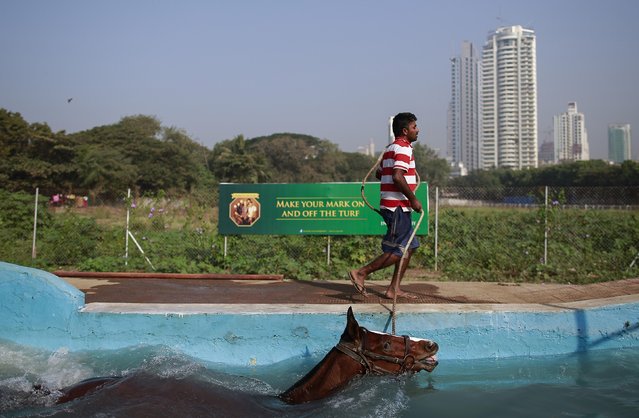
A groom leads his horse in the equine pool after working out on the track, during early morning workouts for the upcoming Derby race in Mumbai January 29, 2015. (Photo by Danish Siddiqui/Reuters)
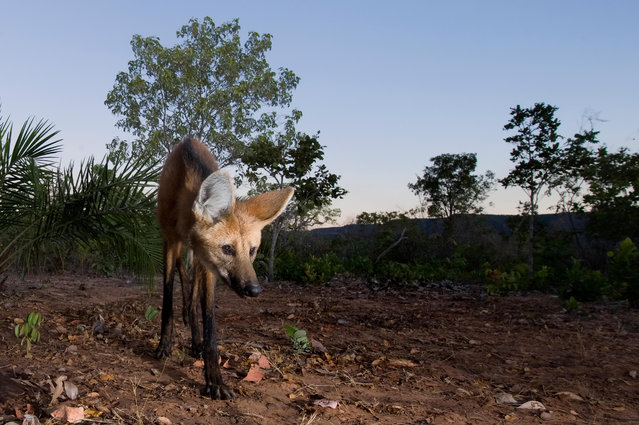
Global wildlife populations will decline by 67% by 2020 unless urgent action is taken to reduce human impact on species and ecosystems, warns the biennial Living Planet Index report from WWF (World Wide Fund for Nature) and ZSL (Zoological Society of London). From elephants to eels, here are some of the wildlife populations most affected by human activity. Here: The maned wolf is among the large mammals in the Brazilian Cerrado that are threatened by the increasing conversion of grasslands into farmland for grazing and growing crops. (Photo by Ben Cranke/Nature Picture Library/Alamy Stock Photo)