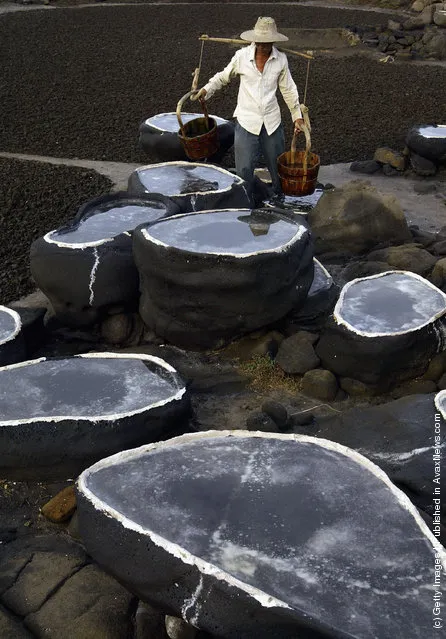
A villager pours brine into troughs at ancient salt fields on May 5, 2005 in Yantian Village on Hainan Island, China. (Photo by China Photos/Getty Images)
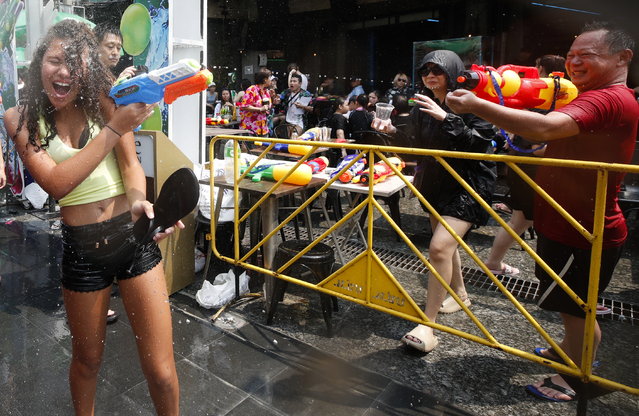
People take part in a water gun battle as part of the annual Songkran festival, also known as water festival, the traditional Thai New Year celebrations, at the tourist spot of Khao San Road in Bangkok, Thailand, 13 April 2023. Thailand celebrates its first water-splashing Songkran festival following a three-year pause due to the COVID-19 pandemic. Songkran is celebrated with splashing water and putting powder on each other's faces as a symbolic sign of cleansing and washing away the sins from the old year. (Photo by Rungroj Yongrit/EPA)
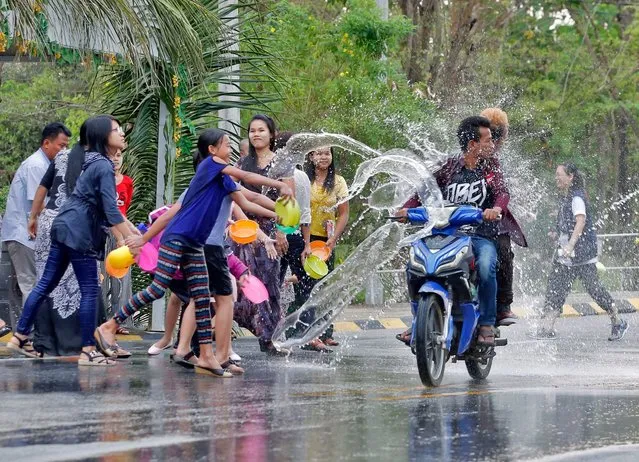
People participate in the first day of Thingyan Water Festival in Naypyitaw, Myanmar on April 13, 2018. The annual water festival, known as Thingyan, features large groups of people congregating to celebrate the by splashing water and throwing powder at each other's faces as a symbol of cleansing and washing away the sins from the old year. It marks the start of the traditional New Year and is similarly celebrated in countries such as Myanmar, Thailand, Laos and Cambodia. (Photo by Hein Htet/EPA/EFE/Rex Features/Shutterstock)
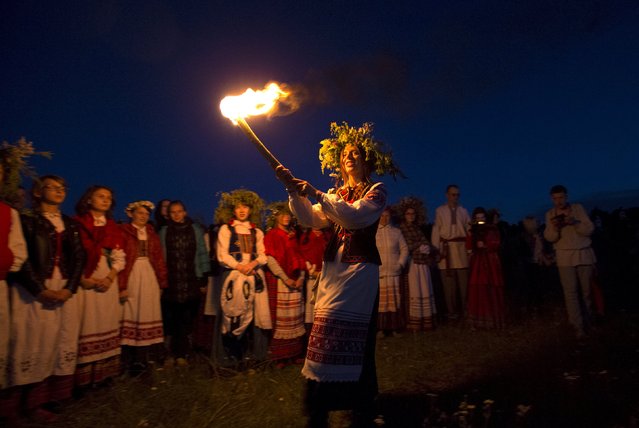
Belarusian people take part in the Ivan Kupala festival near the town of Rakov, west of Minsk June 27, 2015. The ancient tradition, originating from pagan times, is usually marked with grand overnight festivities. On Kupala night, people sing and dance around campfires, believing it will purge them of their sins and make them healthier. (Photo by Vasily Fedosenko/Reuters)
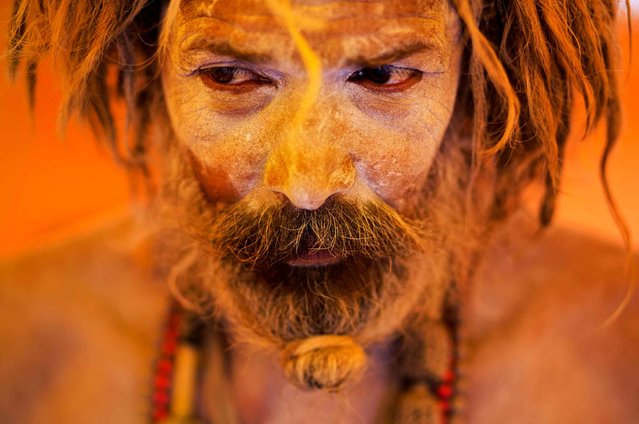
A Naga sadhu, or naked Hindu holy man, pauses inside a tent during Kumbh Mela, or Pitcher festival, at Trimbakeshwar, India, Thursday, August 27, 2015. Hindus believe taking a dip in the waters of a holy river during the festival will cleanse them of their sins. The festival is held four times every 12 years. (Photo by Bernat Armangue/AP Photo)
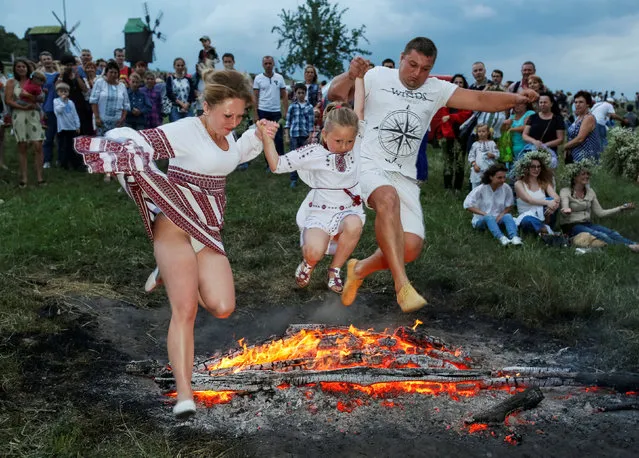
People jump over a campfire during a celebration on the traditional Ivana Kupala (Ivan the Bather) holiday, the ancient tradition, originating from pagan times, is usually marked with grand overnight festivities during which people sing and dance around campfires, believing it will purge them of their sins and make them healthier, in Kiev, Ukraine, July 6, 2016. (Photo by Gleb Garanich/Reuters)
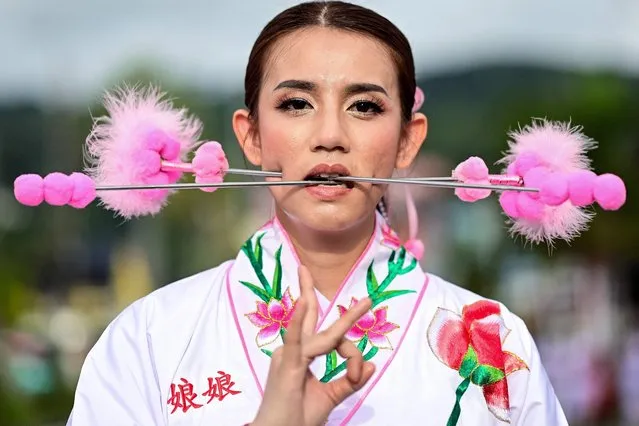
A devotee of the Jor Soo Gong Naka shrine with skewers pierced through her cheeks takes part in a procession during the annual Vegetarian Festival in Phuket on September 27, 2022. The festival, back after two years of hiatus because of the Covid-19 pandemic, features religious devotees who slash themselves with swords, pierce their cheeks with sharp objects and commit other painful acts to purify themselves, taking on the sins of the community. (Photo by Manan Vatsyayana/AFP Photo)
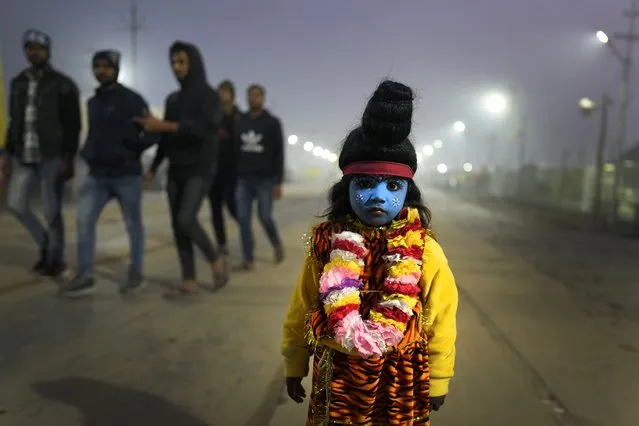
A child dressed as Hindu God Shiva begs for alms from devotees at the Sangam, the confluence of three rivers – the Ganges, the Yamuna and the mythical Saraswati, on the Makar Sankranti festival during the annual traditional fair of Magh Mela in Prayagraj, in the northern Indian state of Uttar Pradesh, Sunday, January 14, 2024. Hundreds of thousands of Hindu pilgrims are expected to take dips in the confluence, hoping to wash away sins during the month-long festival. (Photo by Rajesh Kumar Singh/AP Photo)