Loading...
Done
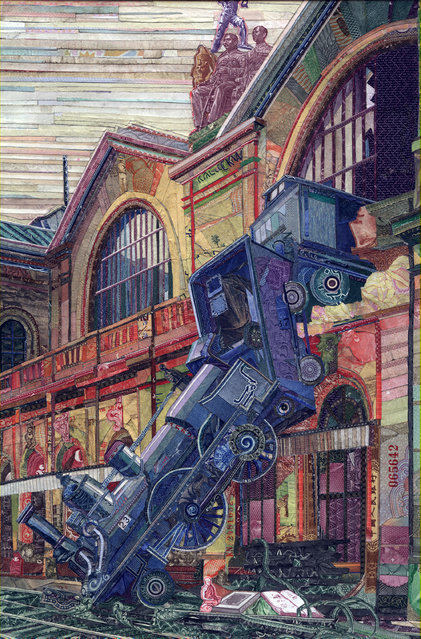
“Great Crash”. (Photo by C. K. Wilde)

Artist C. K. Wilde creates intricate collage compositions using pieces of paper currency from all over the world. His collages have referenced subjects ranging from space exploration, to mythology, religion, slavery, ecology, the history of warfare, the history of money, and art history. Photo: “Great Crash”. (Photo by C. K. Wilde)
Details
11 Jul 2014 12:06:00
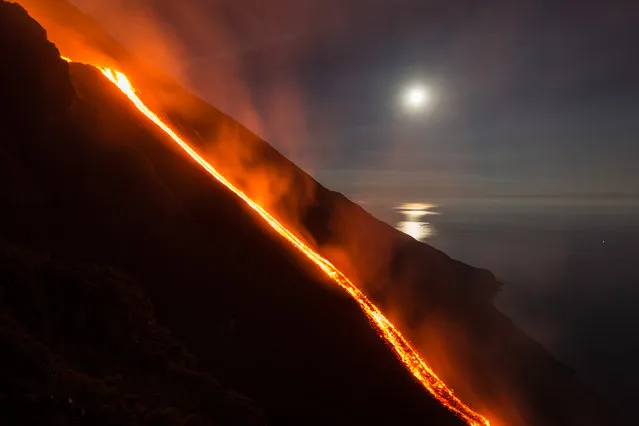
Hot lava trickles down from the Stromboli volcano on August 9, 2014 in Aeolian Islands, Italy. Lava flows down the Mount Stromboli off the Sicilian coast in southern Italy. The volcano – at 3,034ft – is one of the most active in Europe and has been erupting continuously since 1932. (Photo by Tom Pfeiffer/Barcroft Media)

Hot lava trickles down from the Stromboli volcano on August 9, 2014 in Aeolian Islands, Italy. Lava flows down the Mount Stromboli off the Sicilian coast in southern Italy. The volcano – at 3,034ft – is one of the most active in Europe and has been erupting continuously since 1932. (Photo by Tom Pfeiffer/Barcroft Media)
Details
19 Aug 2014 10:37:00
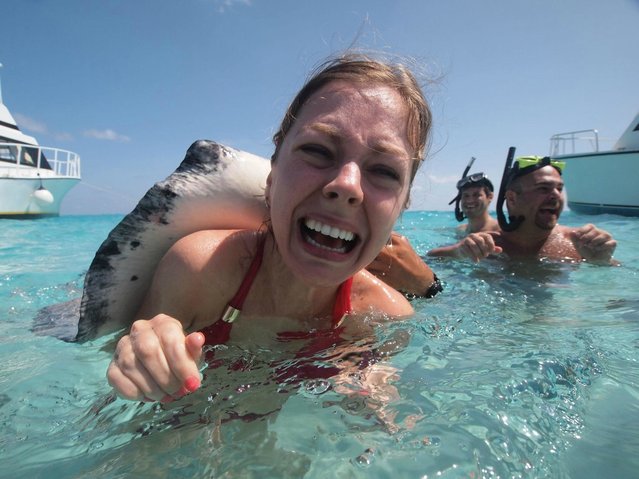
Stingray City, Grand Cayman

Stingray City is a series of shallow sandbars found in the North Sound of Grand Cayman, Cayman Islands. It is a tourist attraction, where southern stingrays are found in abundance and visitors can pet and interact with the animals.
Details
25 Aug 2014 23:59:00
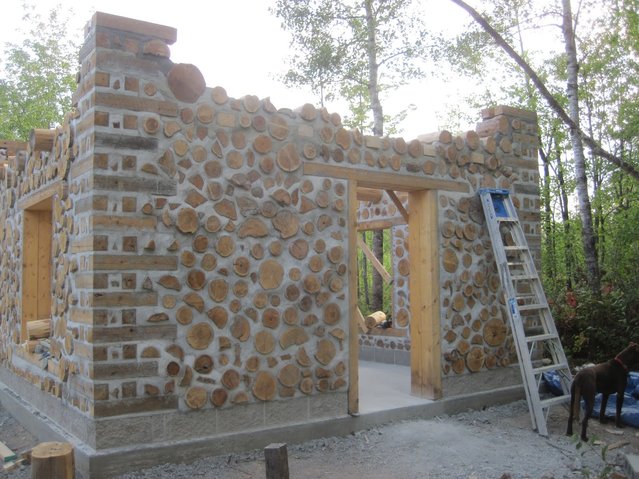
Cordwood Construction - Natural Building

Cordwood construction is a method of natural building that originated roughly one thousand years ago in Greece and Siberia. This method involves using pieces of wood that slightly protrude from the mortar, giving the walls an attractive appearance. Usually, the walls are made 12 to 24 inches thick. However, in some parts of Canada, the walls can be as thick as 36 inches. This method appeals to many people due to its ease of construction economy of resources. Cordwood Construction can be separated into two main types: mortar-insulation-mortar (M-I-M) and Throughwall. M-I-M is a more preferable and widely used choice as it allows for better insulating properties.
Details
27 Nov 2014 15:10:00
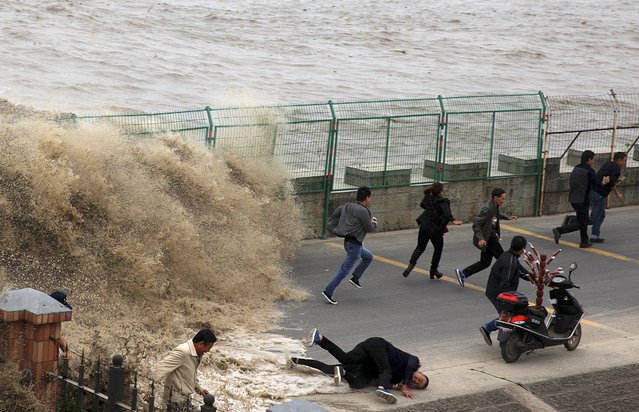
A visitor falls down as they run away from a wave caused by a tidal bore which surged past a barrier on the banks of Qiantang River, in Hangzhou, Zhejiang province, China, October 28, 2015. (Photo by Reuters/China Daily)

A visitor falls down as they run away from a wave caused by a tidal bore which surged past a barrier on the banks of Qiantang River, in Hangzhou, Zhejiang province, China, October 28, 2015. (Photo by Reuters/China Daily)
Details
31 Oct 2015 08:06:00
1st prize in the People Observed Portraits Stories category. Carla Kogelman, the Netherlands. The photo shows Hannah and Alena, two sisters living in the rural village of Merkenbrechts, Austria. (Photo by Carla Kogelman/World Press Photo)

1st prize in the People Observed Portraits Stories category. Carla Kogelman, the Netherlands. The photo shows Hannah and Alena, two sisters living in the rural village of Merkenbrechts, Austria. (Photo by Carla Kogelman/World Press Photo)
Details
16 Feb 2014 12:34:00
Sumatran tiger cubs

Sumatran tiger Jumilah is seen with one of her cubs on display at Taronga Zoo on October 25, 2011 in Sydney, Australia. The Sumatran tiger cubs, born in August to mother Jumilah, will meet the public for the first time this week. (Photo by Mark Kolbe/Getty Images)
Details
26 Oct 2011 14:40:00
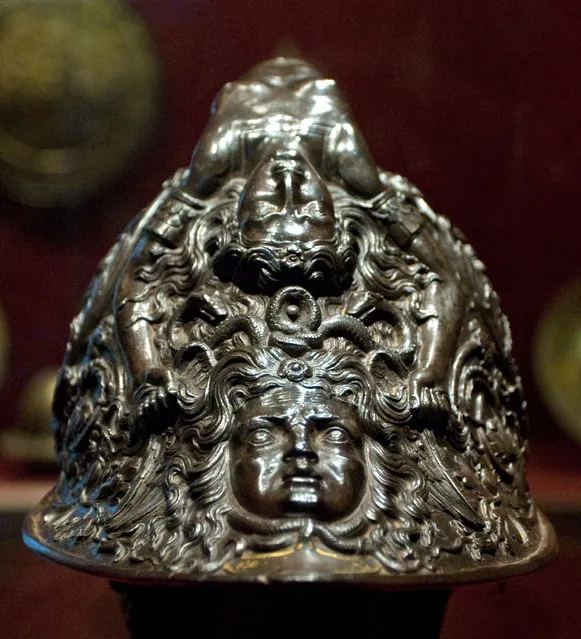
Heroic Armor Of The Italian Renaissance By Filippo Negroli

Filippo Negroli (ca. 1510–1579) was an armourer from Milan. He was renowned as being extremely skilled, and may be considered the most famous armourer of all time. Working together with his younger brothers Giovan Battista (ca. 1511-1591) and Francesco (ca. 1522-1600) in the Negroli family workshop headed by their father Gian Giacomo Negroli (ca. 1463-1543), Filippo was specialized in repoussé of armour, whereas his brother Francesco was renowned for his damascening skills.
Details
21 Aug 2015 10:59:00