Loading...
Done
Kelsea Ballerini performs at the 59th Annual Country Music Association Awards in Nashville, Tennessee, U.S., November 19, 2025. (Photo by Seth Herald/Reuters)

Kelsea Ballerini performs at the 59th Annual Country Music Association Awards in Nashville, Tennessee, U.S., November 19, 2025. (Photo by Seth Herald/Reuters)
Details
26 Nov 2025 03:25:00
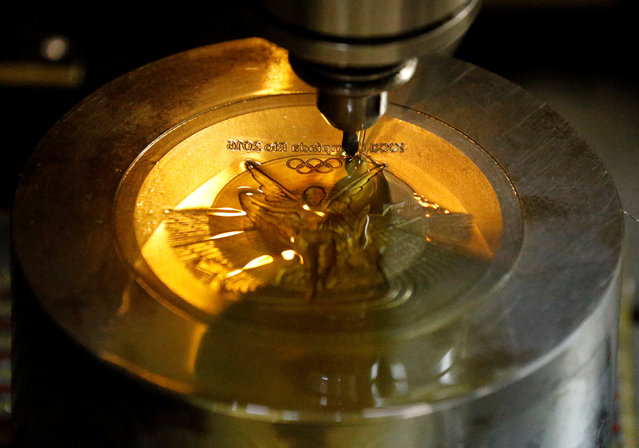
A machine works on a Rio 2016 Olympic medal at the Casa da Moeda do Brasil (Brazilian Mint) in Rio de Janeiro, Brazil, June 28, 2016. (Photo by Sergio Moraes/Reuters)

A machine works on a Rio 2016 Olympic medal at the Casa da Moeda do Brasil (Brazilian Mint) in Rio de Janeiro, Brazil, June 28, 2016. The Casa da Moeda do Brasil is the Brazilian mint, owned by the Brazilian government and administratively subordinated to the Ministry of Finances. It was established in 1694. (Photo by Sergio Moraes/Reuters)
Details
30 Jun 2016 11:31:00
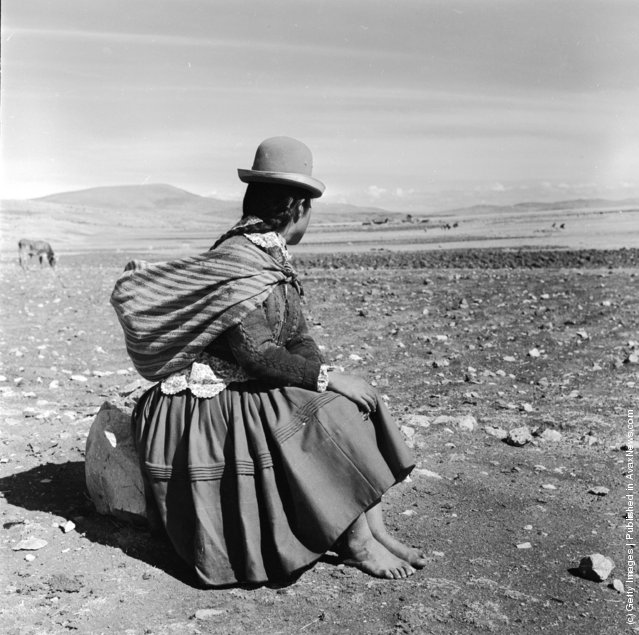
Burdened with a shawl full of her belongings, a woman stops for a rest on the road between Julaca and Puno in Peru, 1955

Burdened with a shawl full of her belongings, a woman stops for a rest on the road between Julaca and Puno in Peru. (Photo by Three Lions/Getty Images). Circa 1955
Details
09 Aug 2011 11:48:00
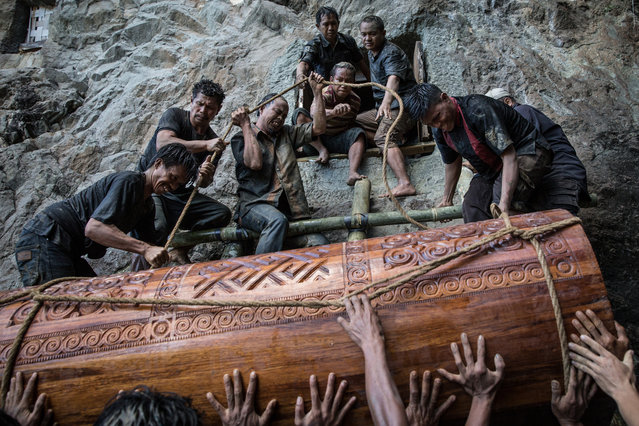
It is said that Torajans are people who “live to die”. For this Indonesian ethnic group, funerals are such extravagant events that they sometimes attract tourists. Families can postpone burials years (and the deceased are considered sick and hosted at home until the funeral) until the family can raise enough money and gather as many relatives as possible. And then it’s a jubilant multiday social event with a parade, dances and animal sacrifices. Agung Parameswara photographed these funerary practices when he traveled to South Sulawesi province, where the Torajans live. But often, their funeral isn’t the last time the dead are seen. In August, crypts are opened, coffins are slid back out and bodies delicately unsheathed. This tender ritual is known as Ma’Nene, which is customarily performed every few years. (Photo by Agung Parameswara/The Washington Post)

It is said that Torajans are people who “live to die”. For this Indonesian ethnic group, funerals are such extravagant events that they sometimes attract tourists. Families can postpone burials years (and the deceased are considered sick and hosted at home until the funeral) until the family can raise enough money and gather as many relatives as possible. And then it’s a jubilant multiday social event with a parade, dances and animal sacrifices. Agung Parameswara photographed these funerary practices when he traveled to South Sulawesi province, where the Torajans live. (Photo by Agung Parameswara/The Washington Post)
Details
06 Oct 2016 09:15:00
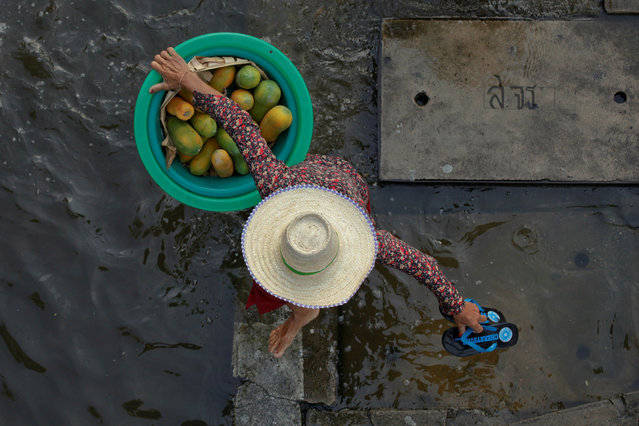
A woman carrying a basket of papayas while walking through a vegetable market in Bangkok, Thailand November 11, 2011. (Photo by Kerek Wongsa/Reuters)

A woman carrying a basket of papayas while walking through a vegetable market in Bangkok, Thailand November 11, 2011. (Photo by Kerek Wongsa/Reuters)
Details
11 Jul 2016 12:20:00
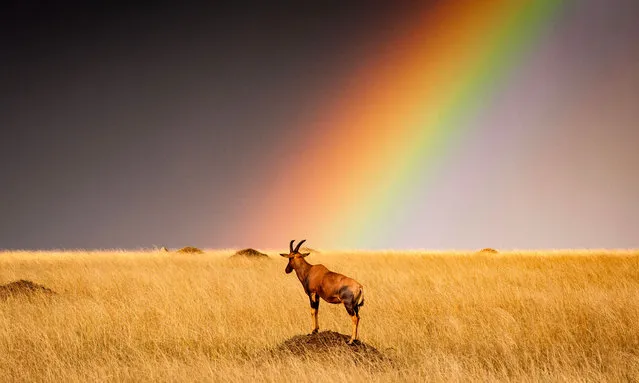
Early morning storms over the Masai Mara National Reserve, Kenya on August 26, 2016. (Photo by Action Press/Rex Features/Shutterstock)

Early morning storms over the Masai Mara National Reserve, Kenya on August 26, 2016. (Photo by Action Press/Rex Features/Shutterstock)
Details
03 Sep 2016 09:34:00
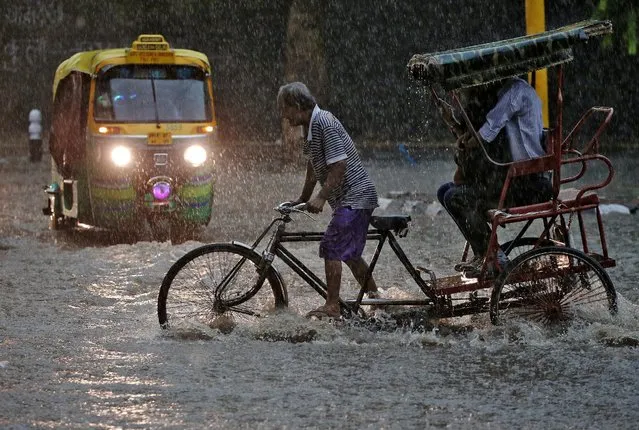
A man pedals his cycle rickshaw during monsoon rains in New Delhi, India August 31, 2016. (Photo by Cathal McNaughton/Reuters)

A man pedals his cycle rickshaw during monsoon rains in New Delhi, India August 31, 2016. Normal life was thrown out of gear as heavy rainfall lashed the city Wednesday morning, resulting in waterlogging and traffic jams. (Photo by Cathal McNaughton/Reuters)
Details
05 Sep 2016 11:17:00
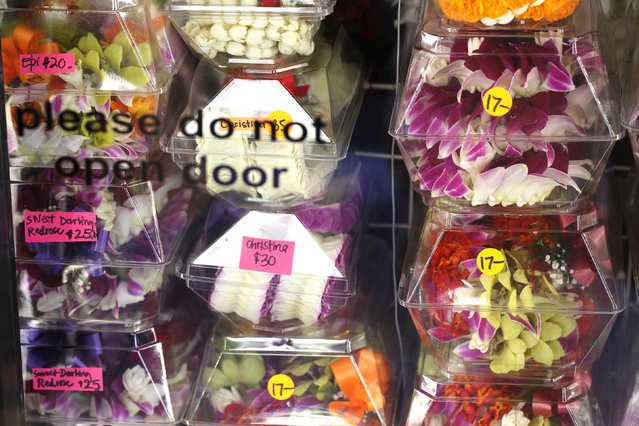
A selection of hand-made leis, traditional Hawaiian necklaces made of flowers and worn mostly on special occasions, fill a cooler at Lin's Lei Shop in the Chinatown district of Honolulu, Hawaii December 22, 2015. Hawaii, whose economy depends heavily on tourism, sees a brief lull in visitors each year in January and February. But in addition to the usual tourist destinations, the state shows a unique overlay of mainland U.S. culture atop tropical beauty year-round. (Photo by Jonathan Ernst/Reuters)


A selection of hand-made leis, traditional Hawaiian necklaces made of flowers and worn mostly on special occasions, fill a cooler at Lin's Lei Shop in the Chinatown district of Honolulu, Hawaii December 22, 2015. Hawaii, whose economy depends heavily on tourism, sees a brief lull in visitors each year in January and February. But in addition to the usual tourist destinations, the state shows a unique overlay of mainland U.S. culture atop tropical beauty year-round. (Photo by Jonathan Ernst/Reuters)
Details
16 Jan 2016 08:00:00