Loading...
Done


“Dog meat refers to edible parts and the flesh derived from (predominantly domestic) dogs. Human consumption of dog meat has been recorded in many parts of the world, including ancient China, ancient Mexico, and ancient Rome. According to contemporary reports, dog meat is consumed in a variety of countries such as Switzerland, China, Vietnam, the Philippines, and Korea. In addition, dog meat has also been used as survival food in times of war and/or other hardships”. – Wikipedia

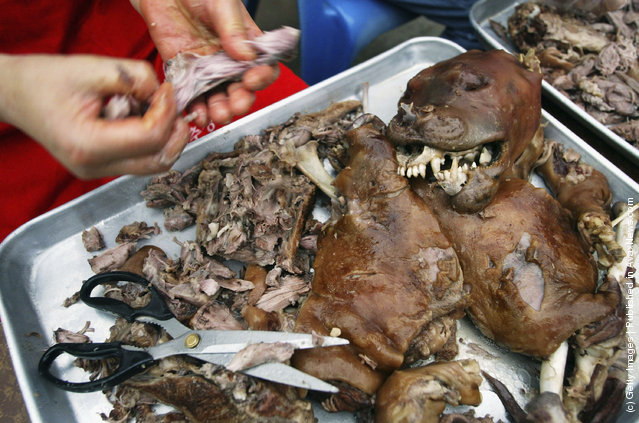
Photo: A chef prepares dog meat at a restaurant on July 4, 2005 in Gwacheon, South Korea. Dog meat is a traditional dish in Korea dating back to the Samkuk period (period of the three kingdoms BC 57 – AD 668). Although many recipes existed historically for dog meat, now chefs only make soups, or dishes using boiled or roasted meat. Koreans traditionally eat dog meat on the hottest day of the summer, for it's reputed benefits of virility, invigoration and health. (Photo by Chung Sung-Jun/Getty Images)
Details
24 Jul 2011 13:21:00
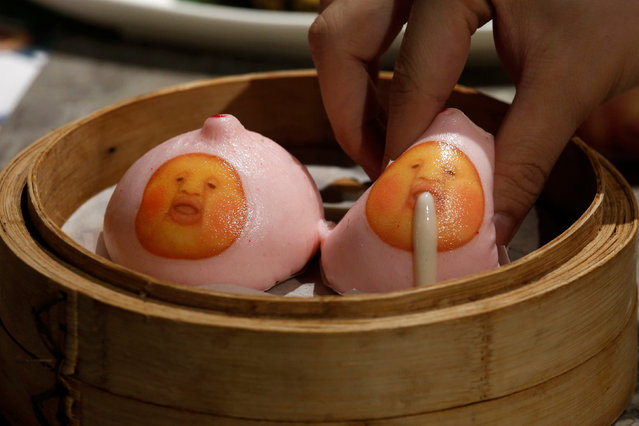
A milk custard bun made to resemble one of the popular Japanese “Kobitos” characters is squeezed during a display for the photographer at Dim Sum Icon restaurant in Hong Kong, China July 25, 2016. A dim sum restaurant in Hong Kong encourages diners to play with their food, and the result will either disgust or delight you. At Dim Sum Icon customers can squeeze a strange creature to poo or vomit on their plate before eating it. Hungry punters poke a hole into the mouth – or the rear – of the dim sum with a chopstick, squeeze it and watch the brown or white cream ooze out. (Photo by Bobby Yip/Reuters)

A milk custard bun made to resemble one of the popular Japanese “Kobitos” characters is squeezed during a display for the photographer at Dim Sum Icon restaurant in Hong Kong, China July 25, 2016. A dim sum restaurant in Hong Kong encourages diners to play with their food, and the result will either disgust or delight you. At Dim Sum Icon customers can squeeze a strange creature to poo or vomit on their plate before eating it. Hungry punters poke a hole into the mouth – or the rear – of the dim sum with a chopstick, squeeze it and watch the brown or white cream ooze out. The unique dim sums are made with a face to resemble Japanese Kobitos characters. (Photo by Bobby Yip/Reuters)
Details
31 Jul 2016 11:25:00
No food after midnight

No food after midnight. (Photo by Patrick Hayes)
Details
18 Aug 2012 12:11:00
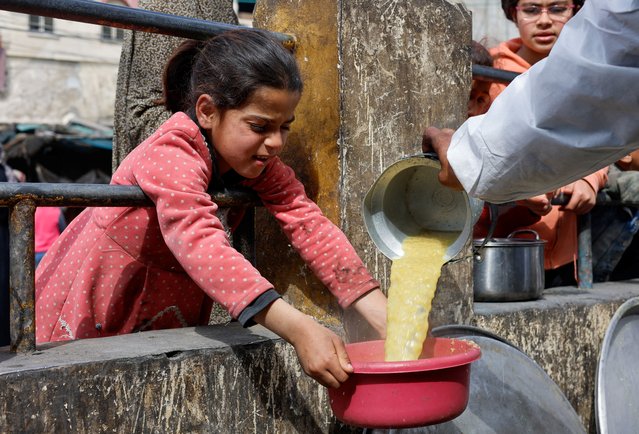
A Palestinian child receives food cooked by a charity kitchen amid shortages of food supplies in Rafah, in the southern Gaza Strip on February 20, 2024. (Photo by Mohammed Salem/Reuters)

A Palestinian child receives food cooked by a charity kitchen amid shortages of food supplies in Rafah, in the southern Gaza Strip on February 20, 2024. (Photo by Mohammed Salem/Reuters)
Details
04 Mar 2024 07:55:00
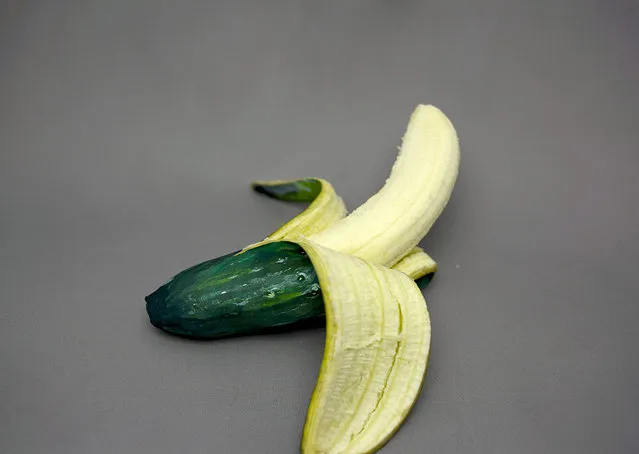
It’s Not What It Seems By Artist Hikaru Cho

Japanese artist Hikaru Cho is already well-known for her bizarre and realistic body paintings, but now the Tokyo-based artist has applied her talent to everyday food items as well. In her playful “It’s Not What It Seems” series, she turns common foods into other kinds of food using only acrylic paint and her extraordinary talent.
Details
22 Mar 2014 11:32:00
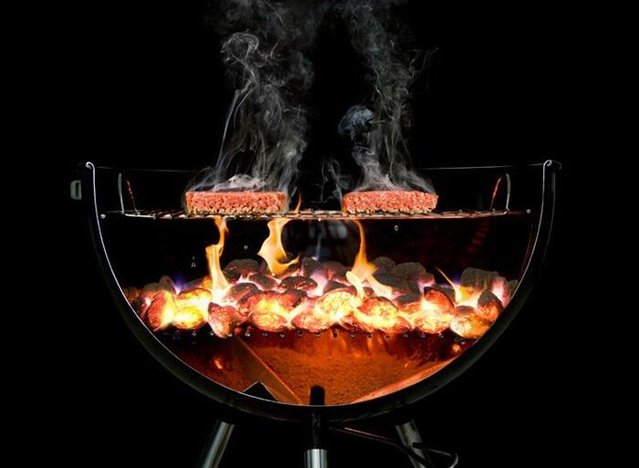
Things Cut in Half

HalfPics is a Twitter feed pointing to things cut in half like a bowl of ramen, a Mini Cooper, and toothpaste. Their tagline: “Ever wonder what stuff looks like when it’s cut in half?” Yes. We previously posted about “Cut Food,” a photo series of foods cut neatly in half by food photographer Beth Galton and food stylist Charlotte Omnès.

See also:Things Cut in Half Part1
Details
09 Sep 2013 10:05:00
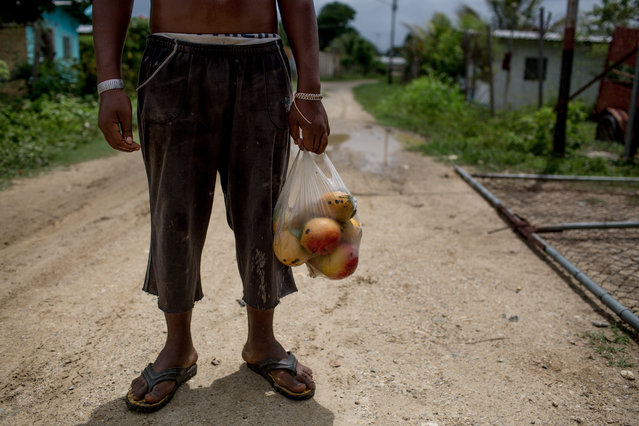
A teenager holds a bag of Mangos, a tropical fruit who grow up in threes in Caracas, Venezuela on June 22, 2016. The shortage of food especially in areas in extreme poverty had made Mangos the daily food. (Photo by Alejandro Cegarra/The Washington Post)

A teenager holds a bag of Mangos, a tropical fruit who grow up in threes in Caracas, Venezuela on June 22, 2016. The shortage of food especially in areas in extreme poverty had made Mangos the daily food. (Photo by Alejandro Cegarra/The Washington Post)
Details
11 Jul 2016 12:23:00
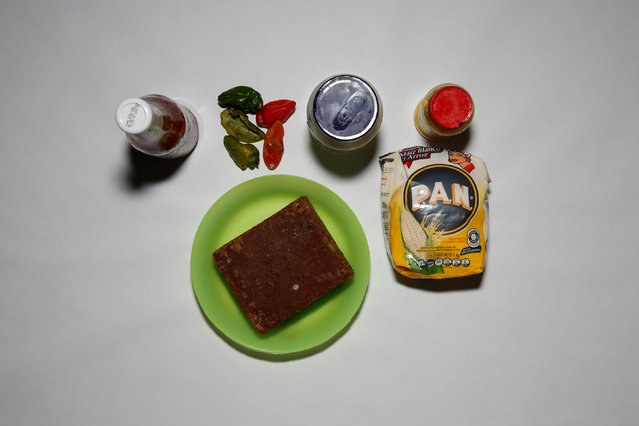
All the food available in the house of Antonia Torres and her family, is pictured at their home in Caracas, Venezuela April 22, 2016. (Photo by Carlos Garcia Rawlins/Reuters)

The combination of Venezuela's sky-rocketing prices and chronic product shortages have left many struggling to put regular food on their tables and maintain a balanced diet. According to one recent study, 87 percent of Venezuelans say their income is now insufficient to purchase their food needs. Here: All the food available in the house of Antonia Torres and her family, is pictured at their home in Caracas, Venezuela April 22, 2016. (Photo by Carlos Garcia Rawlins/Reuters)
Details
28 Apr 2016 12:30:00