Loading...
Done
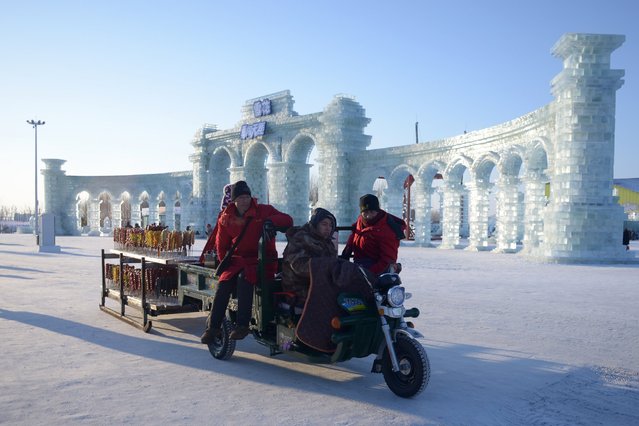
Vendors selling candied haws wait for customers at the Harbin Ice and Snow Festival in Harbin, China, January 4, 2016. (Photo by Wang Zhao/AFP Photo)

Vendors selling candied haws wait for customers at the Harbin Ice and Snow Festival in Harbin, China, January 4, 2016. The festival is open from Jan. 5 till Feb. 5, 2016, and is aimed at attracting both foreign and local visitors to experience the beauty of the ice and snow. (Photo by Wang Zhao/AFP Photo)
Details
07 Jan 2016 08:06:00
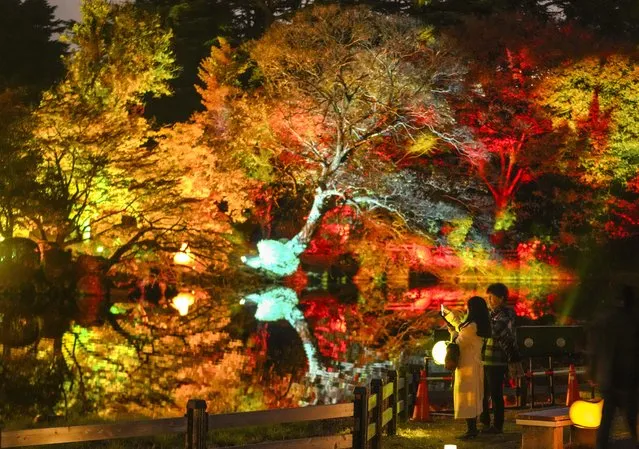
A couple enjoys viewing illuminated autumn leaves with projection mapping at Shinjuku Gyoen National Garden during a preview at the garden in Tokyo, Japan on November 22, 2023. The illumination will start on 22 November through 03 December 2023. (Photo by Kimimasa Mayama/EPA/EFE)

A couple enjoys viewing illuminated autumn leaves with projection mapping at Shinjuku Gyoen National Garden during a preview at the garden in Tokyo, Japan on November 22, 2023. The illumination will start on 22 November through 03 December 2023. (Photo by Kimimasa Mayama/EPA/EFE)
Details
29 Nov 2023 00:10:00
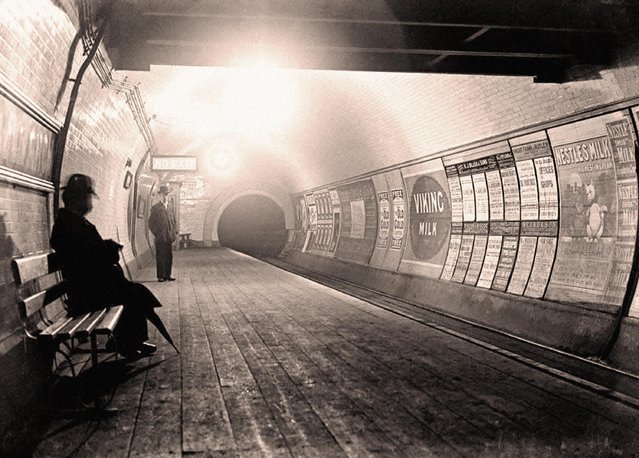
A man sits waiting for a train on the London Underground in 1890, when the platform floors were still made from wooden floorboards. (Photo by Hi-Story/Alamy Stock Photo)

A man sits waiting for a train on the London Underground in 1890, when the platform floors were still made from wooden floorboards. (Photo by Hi-Story/Alamy Stock Photo)
Details
31 May 2017 06:53:00
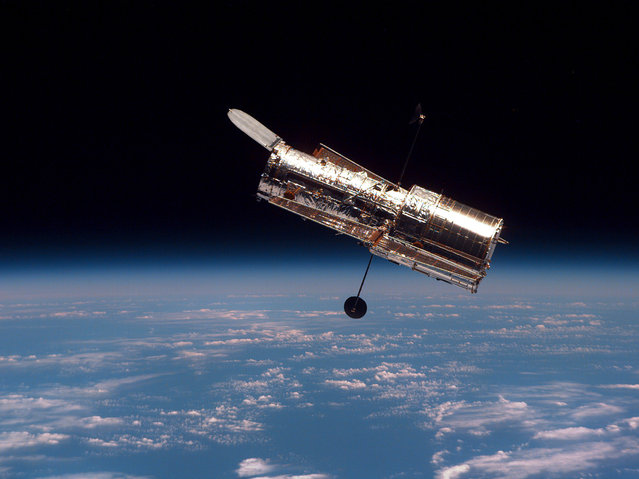
The Hubble Space Telescope is shown following its release from the space shuttle Discovery Wednesday, February 19, 1997. The Hubble Space Telescope, one of NASA'S crowning glories, marks its 25th anniversary on Friday, April 24, 2015. With more than 1 million observations, including those of the farthest and oldest galaxies ever beholden by humanity, no man-made satellite has touched as many minds or hearts as Hubble. (Photo by AP Photo/NASA)

The Hubble Space Telescope is shown following its release from the space shuttle Discovery Wednesday, February 19, 1997. The Hubble Space Telescope, one of NASA'S crowning glories, marks its 25th anniversary on Friday, April 24, 2015. With more than 1 million observations, including those of the farthest and oldest galaxies ever beholden by humanity, no man-made satellite has touched as many minds or hearts as Hubble. (Photo by AP Photo/NASA)
Details
24 Apr 2015 11:25:00
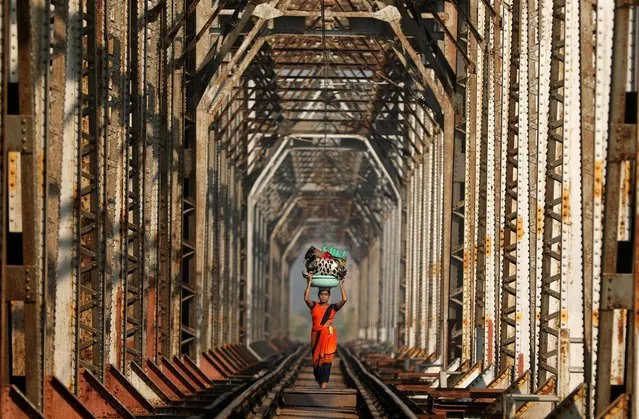
Woman carrying luggage walks along a railway track on the outskirts of Mumbai, India on November 12, 2020. (Photo by Francis Mascarenhas/Reuters)

Woman carrying luggage walks along a railway track on the outskirts of Mumbai, India on November 12, 2020. (Photo by Francis Mascarenhas/Reuters)
Details
19 Nov 2020 00:01:00
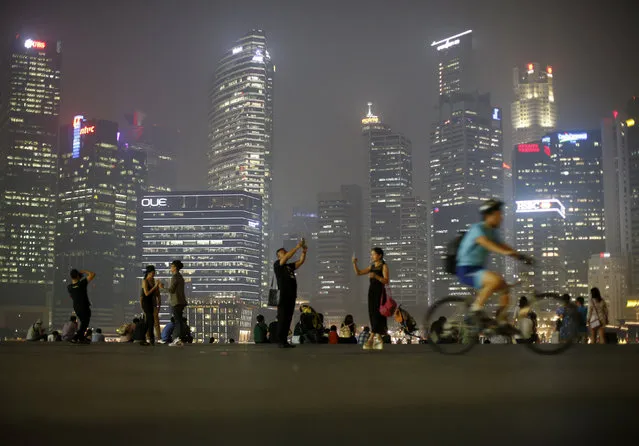
People take photos with the skyline of the central business district in Singapore September 10, 2015. (Photo by Edgar Su/Reuters)

People take photos with the skyline of the central business district in Singapore on September 10, 2015. (Photo by Edgar Su/Reuters)
Details
18 May 2019 00:01:00
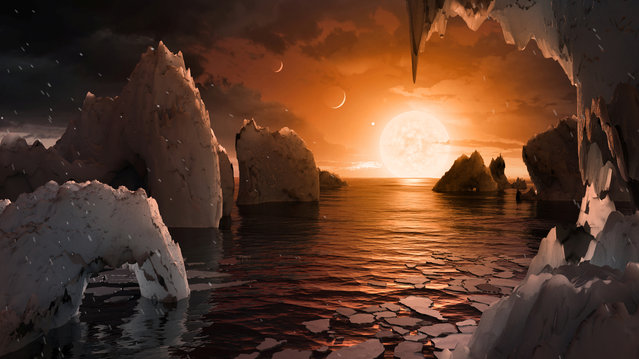
The possible surface of TRAPPIST-1f, one of seven newly discovered planets in the TRAPPIST-1 system that scientists using the Spitzer Space Telescope and ground based telescopes have discovered. (Photo by Reuters/NASA/JPL-Caltech)

The possible surface of TRAPPIST-1f, one of seven newly discovered planets in the TRAPPIST-1 system that scientists using the Spitzer Space Telescope and ground based telescopes have discovered. (Photo by Reuters/NASA/JPL-Caltech)
Details
07 Mar 2017 00:02:00
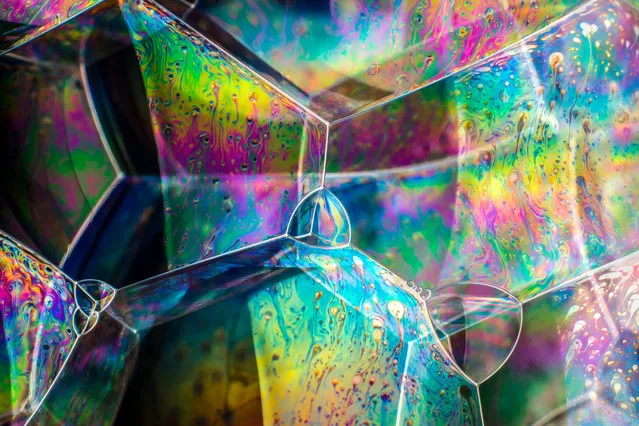
Soap Bubble Structures by Kym Cox. Bubbles optimise space and minimise their surface area for a given volume of air. This phenomenon makes them a useful tool in many areas of research, in particular, materials science and ‘packing’ – how things fit together. Bubble walls drain under gravity, thin at the top, thick at the bottom, which interferes with travelling lightwaves to create bands of colour. Black spots show the wall is too thin for interference colours, indicating the bubble is about to burst. (Photo by Kym Cox/2019 Science Photographer of the Year/RPS)

Soap Bubble Structures by Kym Cox. Bubbles optimise space and minimise their surface area for a given volume of air. This phenomenon makes them a useful tool in many areas of research, in particular, materials science and “packing” – how things fit together. Bubble walls drain under gravity, thin at the top, thick at the bottom, which interferes with travelling lightwaves to create bands of colour. Black spots show the wall is too thin for interference colours, indicating the bubble is about to burst. (Photo by Kym Cox/2019 Science Photographer of the Year/RPS)
Details
15 Aug 2019 00:03:00