People react as they ride an escalator on the London Underground during the “No Trousers Tube Ride” in London, Britain on January 7, 2024. (Photo by Hollie Adams/Reuters)
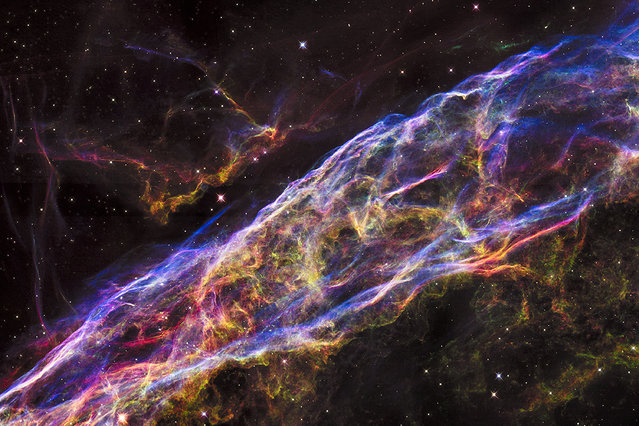
A small section of the expanding remains of the Veil Nebula, a massive star that exploded about 8,000 years ago. The entire nebula is 110 light-years across, covering six full moons on the sky as seen from Earth, and resides about 2,100 light-years away in the constellation Cygnus, the Swan. Image taken by NASA's Hubble Space Telescope. Released September 24, 2015. (Photo by Reuters/NASA/ESA/Hubble Heritage Team)
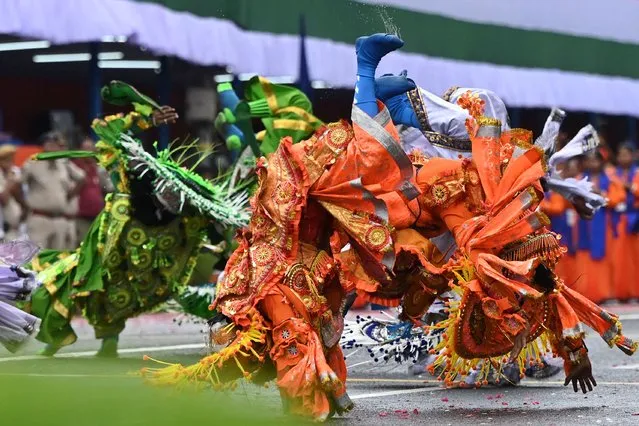
Folk dancers perform a traditional “Chhou” dance during the celebrations to mark India's 75th Independence Day at the Red Road in Kolkata on August 15, 2022. (Photo by Dibyangshu Sarkar/AFP Photo)
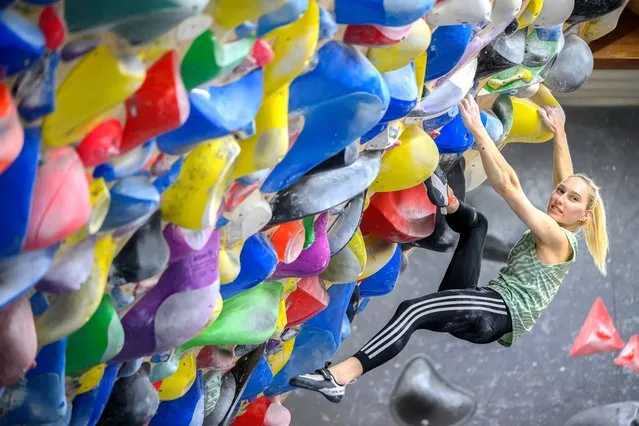
Slovenia’s Janja Garnbret climbs during a training session in Verd, some 20 km southwest of Ljubljana, on March 27, 2024. The eight-time world champion is looking to win another gold medal at the Paris 2024 Olympics Games this summer, just like she did in Tokyo 2020 when the sport debuted at the Olympics. (Photo by Jure Makovec/AFP Photo)
Actress Kerry Washington, Harvard University's Hasty Pudding Theatricals' Woman of the Year, throws wine in the face of an actor playing Republican presidential candidate Donald Trump, Thursday, January 28, 2016, as she is roasted in Cambridge, Mass. (Photo by Elise Amendola/AP Photo)
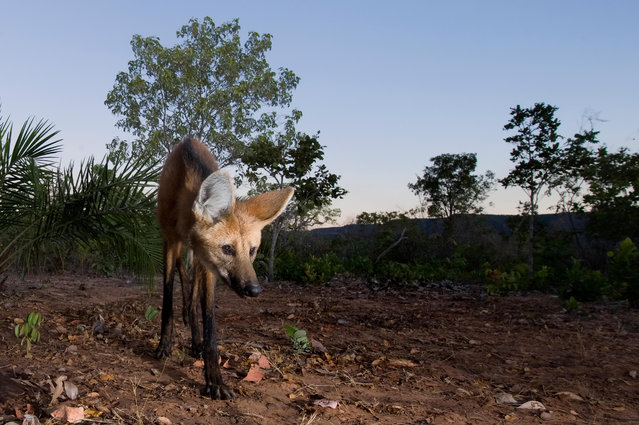
Global wildlife populations will decline by 67% by 2020 unless urgent action is taken to reduce human impact on species and ecosystems, warns the biennial Living Planet Index report from WWF (World Wide Fund for Nature) and ZSL (Zoological Society of London). From elephants to eels, here are some of the wildlife populations most affected by human activity. Here: The maned wolf is among the large mammals in the Brazilian Cerrado that are threatened by the increasing conversion of grasslands into farmland for grazing and growing crops. (Photo by Ben Cranke/Nature Picture Library/Alamy Stock Photo)
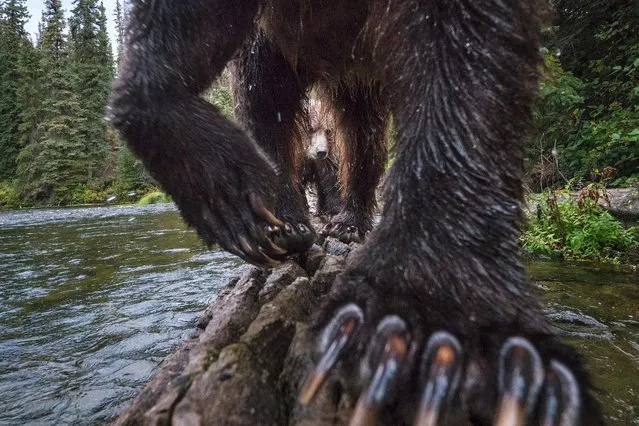
The fourth annual BigPicture Natural World Photography Competition aims to celebrate the diversity of life on Earth, and encourages people to protect and conserve it. Here: “The Salmon Catchers”. Terrestrial Wildlife. To capture this view of a mother grizzly bear and her cub, photographer Peter Mather set up a camera trap on a log that he knew the bears tended to traverse while fishing for salmon, in the Yukon River watershed in Canada. (Photo by Peter Mather/BigPicture Natural World Photography Competition 2017)
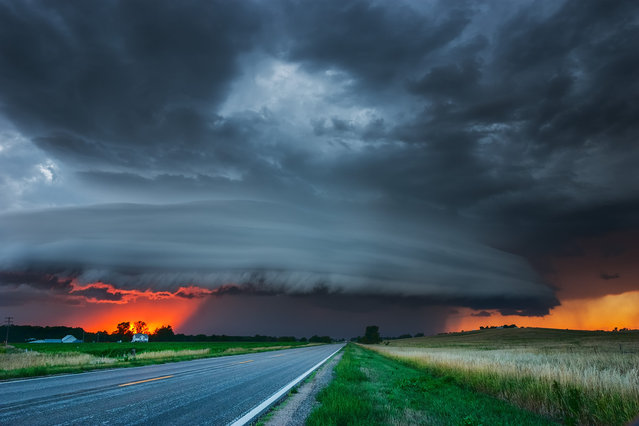
Storm chasing photographer Mike Hollingshead makes a living following the worst storms in America, from snarling tornadoes chewing up the Kansas farmland to supercell thunderstorms massing over the Dakotas. His style is to get right in the path of the storm. While he says it’s less scary than you think – because most of the storm consists of heavy rain – it’s still extremely stressful. Photo: Vivid sunset under severe storm in central Nebraska August 17, 2005. (Photo by Mike Hollingshead)