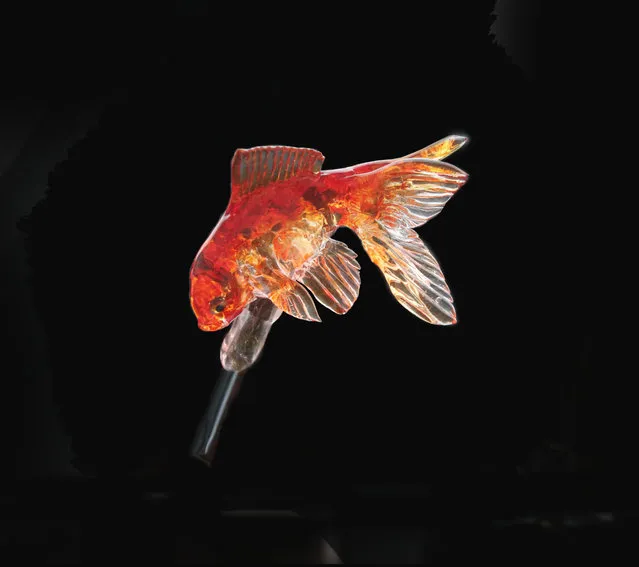
Amezaiku is the Japanese craft of lollipop-making, which dates back to the 700s when artisans made mouth-watering and artistic lollipops to be presented as gifts. Carrying on the tradition is 26-year old Shinri Tezuka, the owner of a small shop in the Asakusa district of Tokyo called Ameshin.
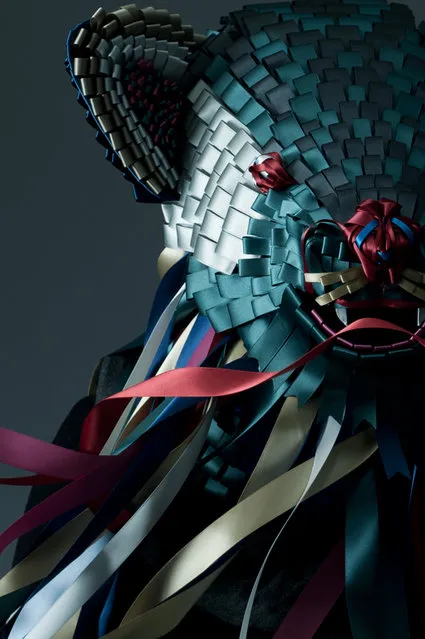
Ribbonesia is a modern ribbon company created by Japanese artist Baku Maeda. The word “ribbon” and ‘modern’ is an understatement when describing Ribbonesia because these are more like life-size modern sculptures made with satin and silk. I wouldn’t be shocked if he starts creating apparel in the near future.
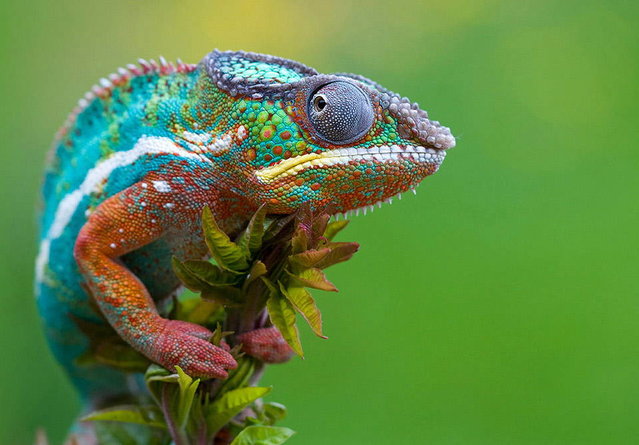
Most beautiful pictures are those made in nature. Nothing compares with the expression of a tiger, the majestic flight of an eagle or the strength of a white bear. Below you can see 15 the most beautiful animal photographs that will capture your attention.
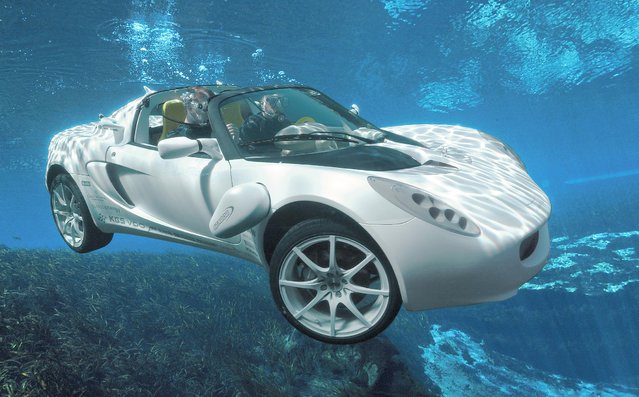
March 11, 2008 Swiss car manufacturer Rinspeed made quite the splash at the Geneva Motor Show with its innovative sQuba, a fully functional submersible concept car that cost $1.5 million to build. (Photo by Rinspeed)
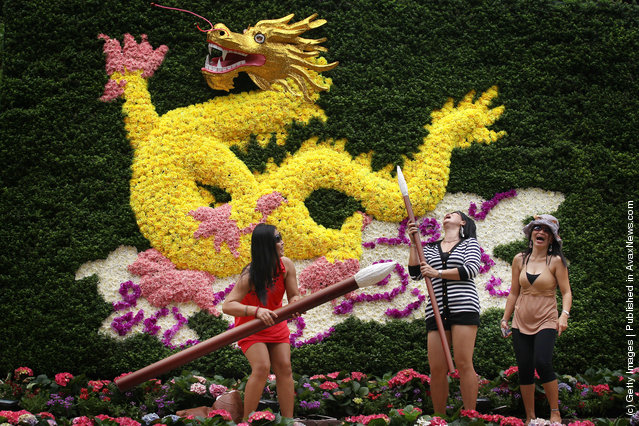
Women joke around as they pose for photographs in front of a large dragon made of flowers at the Sentosa Flowers festival on January 22, 2012 on Sentosa Island, Singapore. (Photo by Chris McGrath/Getty Images)
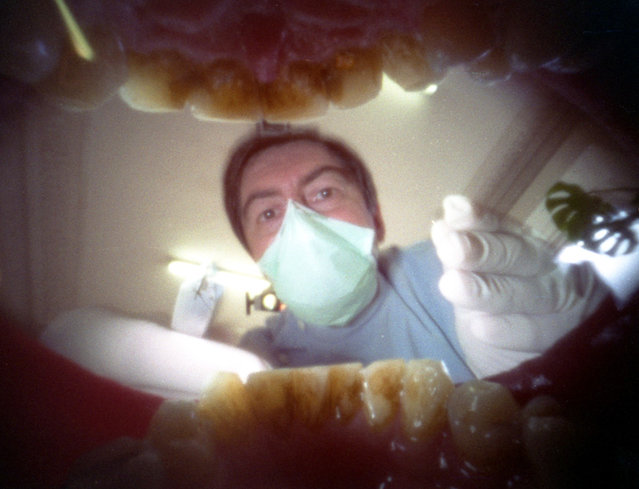
Justin Quinnell made a pinhole camera that he uses to take photos from inside his mouth. I know they’ve been floating around the interenet for a long while buy here they are again!
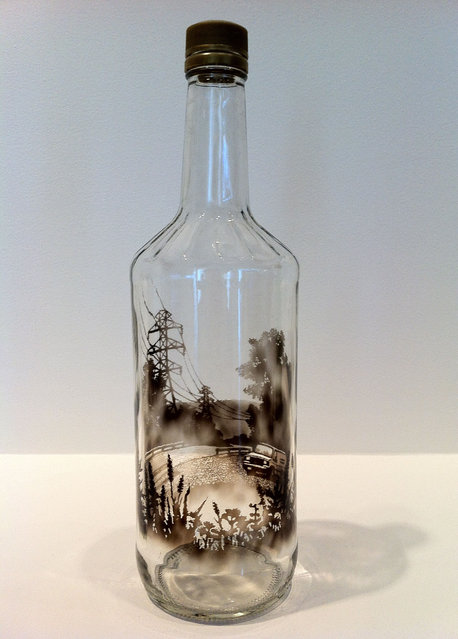
Jim Dingilian’s incredible bottle art is much more complex than the traditional building of ships inside of bottles. The detailed scenes trapped inside recycled glass bottles are made with just candle smoke. The artist burns the inside, then carefully etches away the residue, revealing imagery of trees, cars, and industrial landscapes within the confines of each bottle.
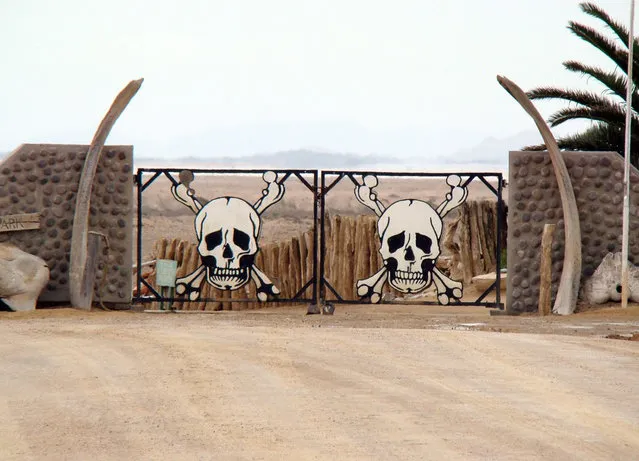
The Skeleton Coast is the northern part of the Atlantic Ocean coast of Namibia and south of Angola from the Kunene River south to the Swakop River, although the name is sometimes used to describe the entire Namib Desert coast. The Bushmen of the Namibian interior called the region "The Land God Made in Anger", while Portuguese sailors once referred to it as "The Gates of Hell".