Loading...
Done
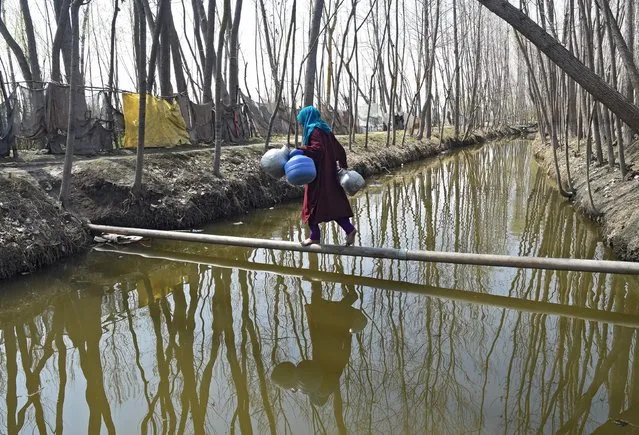
A Kashmiri Muslim woman balances on a water pipe before collecting water at Dasilpora village on March 22, 2018. World Water Day is held annually on 22 March as a means of focusing attention on the importance of freshwater and advocating for the sustainable management of freshwater resources. (Photo by Tauseef Mustafa/AFP Photo)

A Kashmiri Muslim woman balances on a water pipe before collecting water at Dasilpora village on March 22, 2018. World Water Day is held annually on 22 March as a means of focusing attention on the importance of freshwater and advocating for the sustainable management of freshwater resources. (Photo by Tauseef Mustafa/AFP Photo)
Details
24 Mar 2018 06:20:00
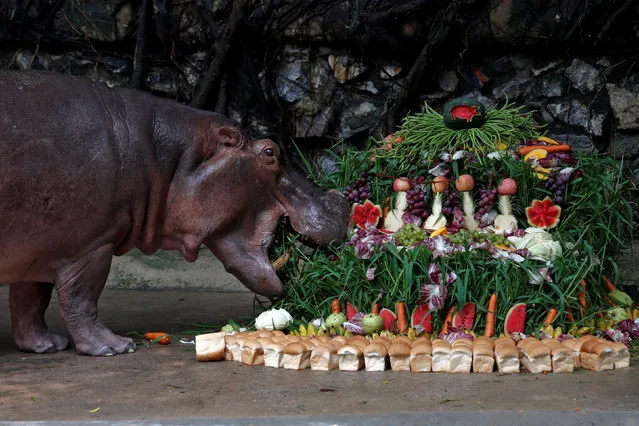
A female hippopotamus named “Mali”, which means Jasmine, eats fruits arranged to look like a cake during her 50th birthday celebration at Dusit Zoo in Bangkok, Thailand September 23, 2016. (Photo by Chaiwat Subprasom/Reuters)

A female hippopotamus named “Mali”, which means Jasmine, eats fruits arranged to look like a cake during her 50th birthday celebration at Dusit Zoo in Bangkok, Thailand September 23, 2016. (Photo by Chaiwat Subprasom/Reuters)
Details
25 Sep 2016 07:06:00
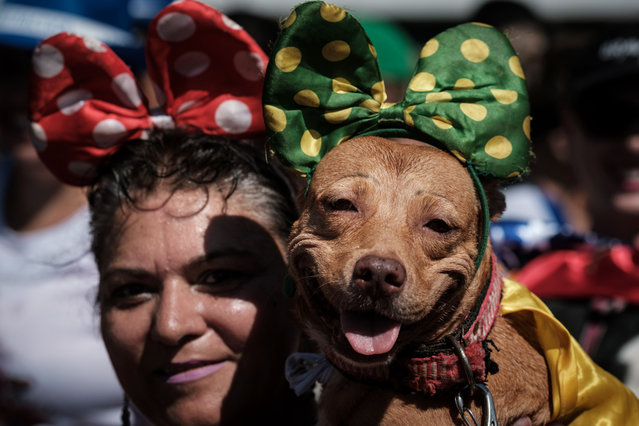
A reveller holds her dog dressed in costume, during the Rio Dog Carnival, known as the Blocao – with “bloco” meaning street party and “cao” dog, during pre- carnival celebrations at Copacabana beach in Rio de Janeiro, Brazil, on February 19, 2017. (Photo by Yasuyoshi Chiba/AFP Photo)

A reveller holds her dog dressed in costume, during the Rio Dog Carnival, known as the Blocao – with “bloco” meaning street party and “cao” dog, during pre- carnival celebrations at Copacabana beach in Rio de Janeiro, Brazil, on February 19, 2017. (Photo by Yasuyoshi Chiba/AFP Photo)
Details
22 Feb 2017 00:05:00
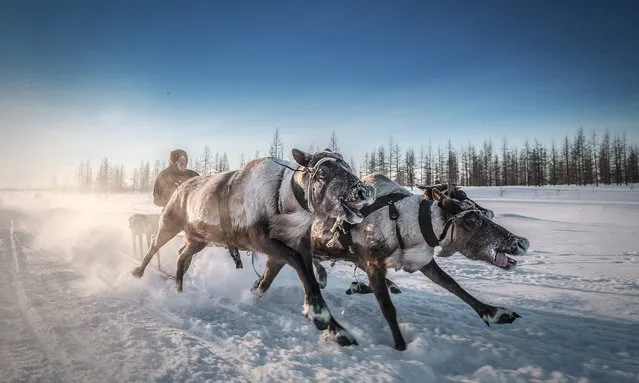
Take me away, deer, Russia. The Nenet people of Arctic Russia use reindeer and sledges as a prime mode of transport. The animals’ navigational ability means that in severe conditions they are sometimes the only hope of survival. (Photo by Kamil Nureev/Smithsonian Photo Contest)

Take me away, deer, Russia. The Nenet people of Arctic Russia use reindeer and sledges as a prime mode of transport. The animals’ navigational ability means that in severe conditions they are sometimes the only hope of survival. (Photo by Kamil Nureev/Smithsonian Photo Contest)
Details
06 Mar 2017 00:05:00
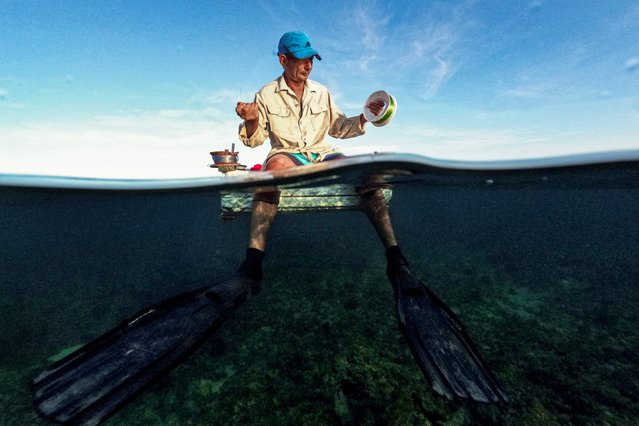
A Cuban fisherman prepares to fish in a makeshift raft in Havana Bay on July 16, 2024. When the weather permits, artisanal fishermen take to the water in improvised polystyrene rafts to make up for the lack of means and fuel. (Photo by Yamil Lage/AFP Photo)

A Cuban fisherman prepares to fish in a makeshift raft in Havana Bay on July 16, 2024. When the weather permits, artisanal fishermen take to the water in improvised polystyrene rafts to make up for the lack of means and fuel. (Photo by Yamil Lage/AFP Photo)
Details
10 Sep 2024 03:48:00
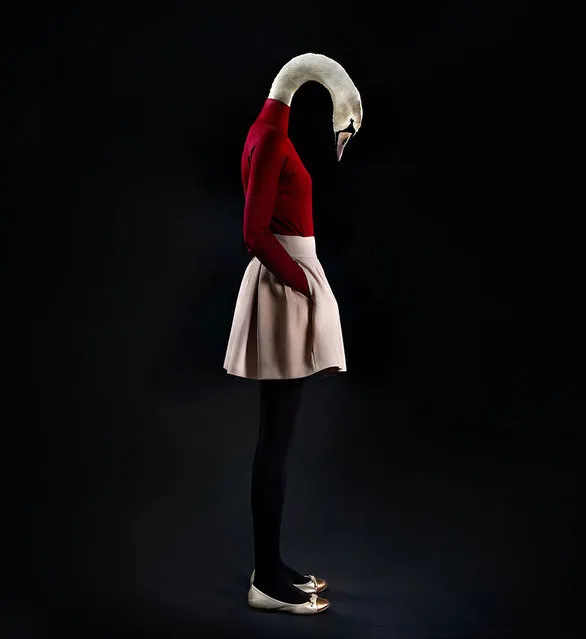
Animals Dressed By Miguel Vallinas

A Spanish photographer has created a collection of pictures featuring animals dressed in human clothing. Miguel Vallinas who is based in Madrid, has called the project Segundas Pieles which means Second Skins. But rather than just creating a collection of funny pictures, Vallinas tries to imagine which clothes the animals would choose for themselves if they could.
Details
16 Oct 2013 10:28:00
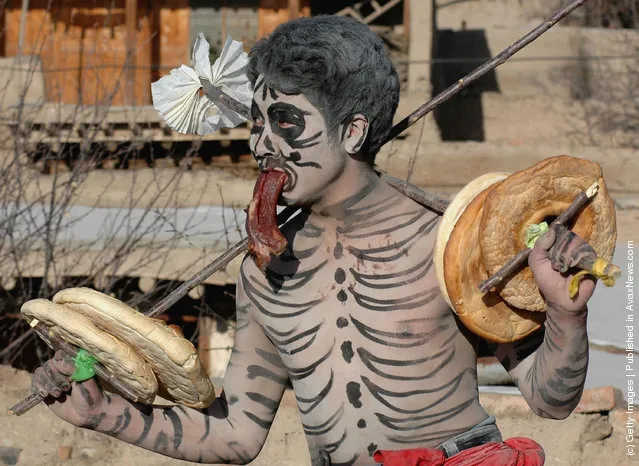
Tu Ethnic Minority Men Dance During Exorcism Ceremony

A Chinese man made up like “Wutu” which means tiger in ancient time, dances during an annual exorcism ceremony of the local Tu ethnic minority group at Nianduhu Village on December 31, 2004 in Tongren County, northwest of China. (Photo by China Photos/Getty Images)
Details
13 Dec 2011 10:55:00
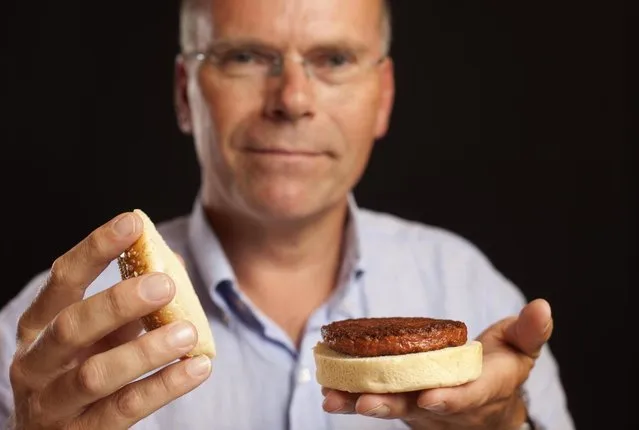
In this handout image provided by Ogilvy, a burger made from cultured beef, which has been developed by Professor Mark Post of Maastricht University in the Netherlands (pictured) is shown to the media during a press conference on August 5, 2013 in London, England. Cultured Beef could help solve the coming food crisis and combat climate change with commercial production of Cultured Beef beginning within ten to twenty years. (Photo by David Parry via Getty Images)

In this handout image provided by Ogilvy, a burger made from cultured beef, which has been developed by Professor Mark Post of Maastricht University in the Netherlands (pictured) is shown to the media during a press conference on August 5, 2013 in London, England. The in-vitro burger, cultured from cattle stem cells, the first example of what its creator says could provide an answer to global food shortages and help combat climate change, was fried in a pan and tasted by two volunteers. The burger is the result of years of research by Dutch scientist Mark Post, a vascular biologist at the University of Maastricht, who is working to show how meat grown in petri dishes might one day be a true alternative to meat from livestock.The meat in the burger has been made by knitting together around 20,000 strands of protein that has been cultured from cattle stem cells in Post's lab. (Photo by David Parry)

Details
06 Aug 2013 08:48:00