Loading...
Done
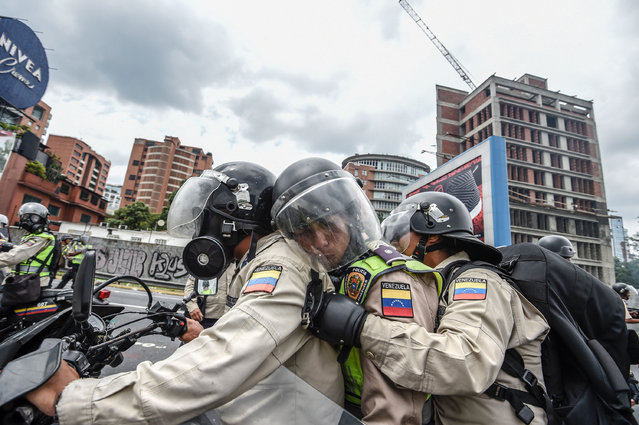
Riot police officers in position to crack down on demonstrators during a protest against Venezuelan President Nicolas Maduro, in Caracas on April 20, 2017. (Photo by Juan Barreto/AFP Photo)

Riot police officers in position to crack down on demonstrators during a protest against Venezuelan President Nicolas Maduro, in Caracas on April 20, 2017. Venezuelan riot police fired tear gas Thursday at groups of protesters seeking to oust President Nicolas Maduro, who have vowed new mass marches after a day of deadly unrest. Police in western Caracas broke up scores of opposition protesters trying to join a larger march, though there was no immediate repeat of Wednesday's violent clashes, which left three people dead. (Photo by Juan Barreto/AFP Photo)
Details
22 Apr 2017 08:56:00
Women dance at the Taiga nightclub in Batroun village, north of Beirut, Lebanon, Friday, July 2, 2021. (Photo by Hassan Ammar/AP Photo)

Women dance at the Taiga nightclub in Batroun village, north of Beirut, Lebanon, Friday, July 2, 2021. With their dollars trapped in the bank, a lack of functioning credit cards and travel restrictions imposed because of the pandemic, many Lebanese who traditionally vacationed over the summer at regional hotspots are also now turning toward domestic tourism. (Photo by Hassan Ammar/AP Photo)
Details
07 Jul 2021 09:26:00
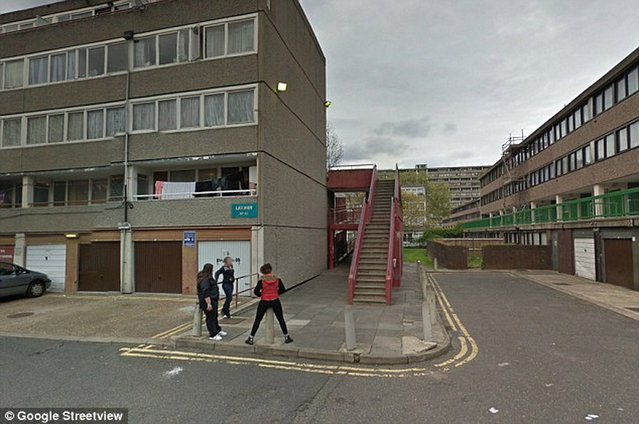
Bad Part of Town By Google Street View

Take a walk on the wild side around some of the most down right dangerous places in the world - and all without leaving your desk, courtesy of Google Street View. Since 2007, Google's amazing technology has given people the chance to visit the Eiffel Tower, peer out over San Francisco's Golden Gate Bridge or walk along a beach in the Bahamas. But as well as mapping the tourist-friendly hotspots, Google also ventured into places you really wouldn't want to find yourself. Here is a collection of some the most notorious areas captured by the infamous roaming camera cars from around the UK and the world.
Details
03 Oct 2013 11:05:00
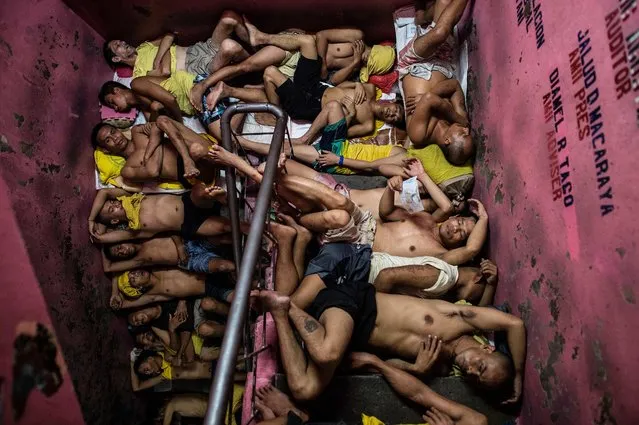
Inmates sleep on the steps of a ladder inside the Quezon City jail at night in Manila in this picture taken on July 21, 2016. (Photo by Noel Celis/AFP Photo)

Inmates sleep on the steps of a ladder inside the Quezon City jail at night in Manila in this picture taken on July 21, 2016. There are 3,800 inmates at the jail, which was built six decades ago to house 800, and they engage in a relentless contest for space. Men take turns to sleep on the cracked cement floor of an open-air basketball court, the steps of staircases, underneath beds and hammocks made out of old blankets. (Photo by Noel Celis/AFP Photo)
Details
06 Aug 2016 13:24:00
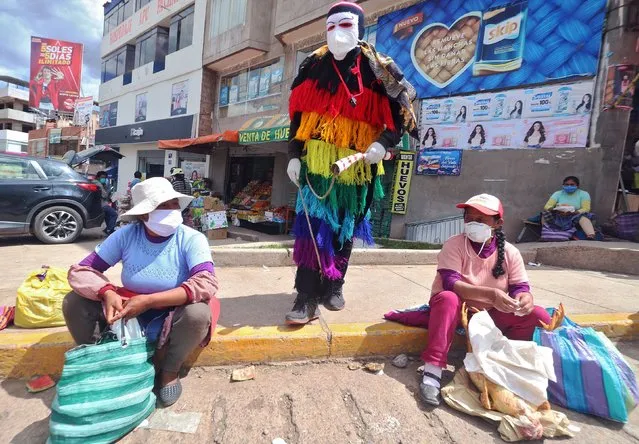
A man dressed in Andean attire as “Ukukus” or “Pabluchas”, a traditional character that acts as a vigilante imposing social order, uses a whip as a threat to force people to maintain their distance and remind them to wear face masks and gloves as a preventive measure against the novel coronavirus COVID-19, in the Vinocanchon market area in San Jeronimo district, close to the Peruvian Andean city of Cusco, on May 2, 2020. The government has identified public markets as major hotspots of the new coronavirus in Peru, where 40,459 confirmed cases and 1,124 deaths were reported on May 1. (Photo by Jose Carlos Angulo/AFP Photo)

A man dressed in Andean attire as “Ukukus” or “Pabluchas”, a traditional character that acts as a vigilante imposing social order, uses a whip as a threat to force people to maintain their distance and remind them to wear face masks and gloves as a preventive measure against the novel coronavirus COVID-19, in the Vinocanchon market area in San Jeronimo district, close to the Peruvian Andean city of Cusco, on May 2, 2020. The government has identified public markets as major hotspots of the new coronavirus in Peru, where 40,459 confirmed cases and 1,124 deaths were reported on May 1. (Photo by Jose Carlos Angulo/AFP Photo)
Details
04 May 2020 00:07:00
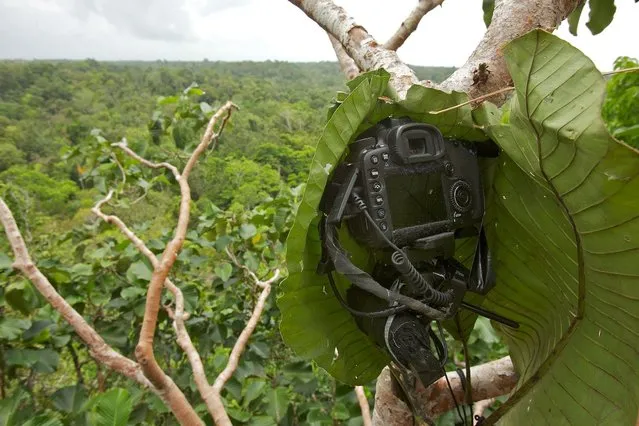
Tim Laman - Wildlife Photojournalist

Tim Laman is a field biologist and wildlife photojournalist. His pioneering research in the rain forest canopy in Borneo led to a PhD from Harvard and his first National Geographic article in 1997. Since then, he has pursued his passion for exploring wild places and documenting little-known and endangered wildlife by becoming a regular contributor to National Geographic. He has eighteen articles to his credit to date, all of which have had a conservation message. Some have focused on endangered species such as Orangutans or Hornbills, while others, such as a series of articles on Conservation International’s Biodiversity Hotspots, have highlighted regions under intense pressure.
Details
14 Sep 2013 10:13:00
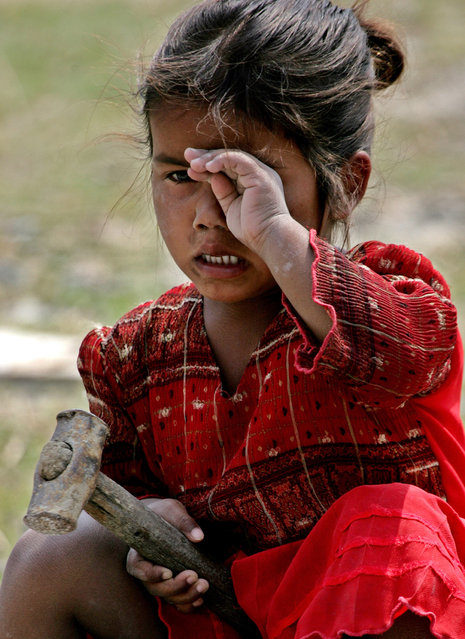
5-year-old Rina Kumari rubs her eye while cracking stones on the banks of Mahananda river in Siliguri, northeast India, March 5, 2005. Over 400 million people in India live below the internationally agreed poverty line (living on less than US $1 per day). According to estimates, several hundred thousand children work as labourers and beg on the streets in India. Photo taken on March 5, 2005. (Photo by Desmond Boylan/Reuters)

5-year-old Rina Kumari rubs her eye while cracking stones on the banks of Mahananda river in Siliguri, northeast India, March 5, 2005. Over 400 million people in India live below the internationally agreed poverty line (living on less than US $1 per day). According to estimates, several hundred thousand children work as labourers and beg on the streets in India. (Photo by Desmond Boylan/Reuters)
Details
13 Jun 2014 12:07:00
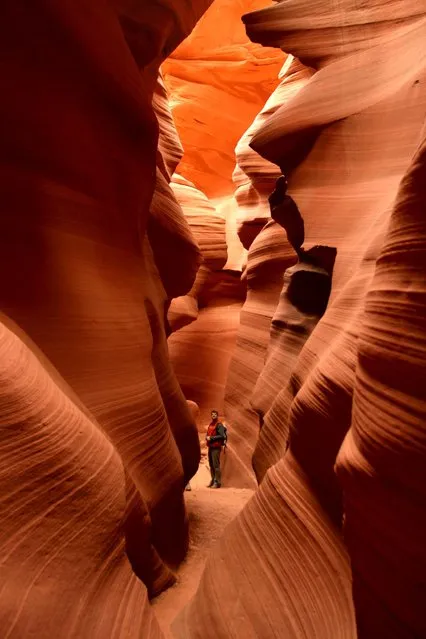
Antelope Canyon Arizona USA

Antelope Canyon is the most-visited and most-photographed slot canyon in the American Southwest. It is located on Navajo land near Page, Arizona. Antelope Canyon includes two separate, photogenic slot canyon sections, referred to individually as Upper Antelope Canyon or The Crack; and Lower Antelope Canyon or The Corkscrew.
Details
28 Jul 2012 14:41:00