Loading...
Done
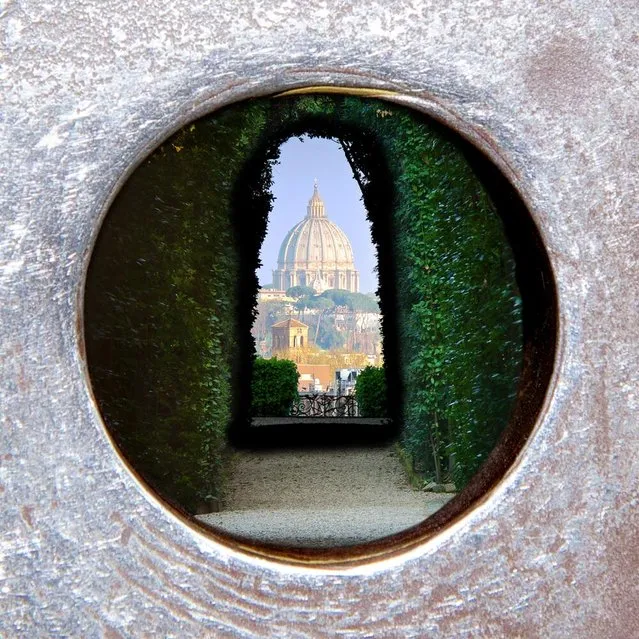
Villa Del Priorato Di Malta - Secrets In Rome

What do you imagine when you look through a key hole? Do you imagine seeing a Wonderland with a sinister Queen of Heart ruling over a magical kingdom? Or you might imagine an eye staring back at you, if you’re a fan of horror movies. Least of all do you expect seeing a picturesque view of St. Peter’s Dome, perfectly framed by green hedges. Is it a lucky coincidence, or was it intended by the maker? We might never know. However, this became a curious sightseeing spot for many tourists who visit Rome. Thus, if you’re ever in the area of Priorato dei Cavalieri di Malta, be sure to peep into this key hole.
Details
27 Oct 2014 11:40:00
Monument of Buzludja

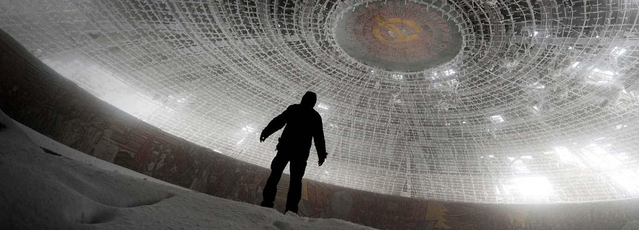
Buzludzha is a historical peak in the Central Stara Planina, Bulgaria and is 1441 metres high. In 1868 it was the place of the final battle between Bulgarian rebels led by Hadji Dimitar and Stefan Karadzha and the Ottoman Empire. The Buzludzha Monument on the peak was built by the Bulgarian communist regime to commemorate the events in 1891 when the socialists led by Dimitar Blagoev assembled secretly in the area to form an organised socialist movement with the founding of the Bulgarian Social Democratic Party, a fore-runner of the Bulgarian Communist Party. The Monument was opened in 1981. No longer maintained by the Bulgarian government, it has fallen into disuse. Buzludzha is reached by a 12 km side road from the Shipka Pass.
Details
12 Nov 2013 08:16:00
Bloodwood Tree

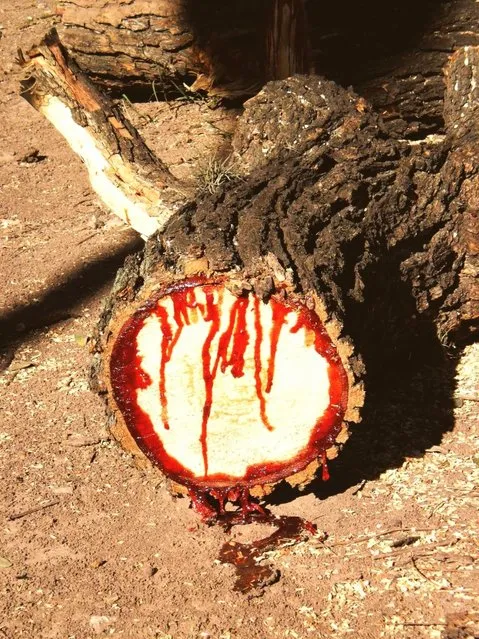
The bloodwood tree (Pterocarpus angolensis) is a deciduous tree with a high canopy, reaching about 15m in height and has dark bark. The red sap is used traditionally as a dye and in some areas mixed with animal fat to make a cosmetic for faces and bodies. It is also believed to have magical properties for the curing of problems concerning blood, apparently because of its close resemblance to blood. The name bloodwood for these trees stems from the dark red to brown sap that accumulates on wounds on the trunks.
Details
14 May 2014 12:44:00
Grand Canyon Skywalk

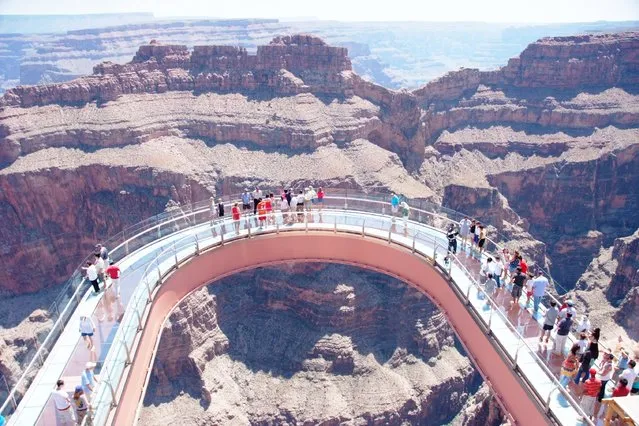
The Grand Canyon Skywalk is a transparent horseshoe-shaped cantilever bridge and tourist attraction in Arizona near the Colorado River on the edge of a side canyon in the Grand Canyon West area of the main canyon. USGS topographic maps show the elevation at the Skywalk's location as 4,770 ft (1,450 m) and the elevation of the Colorado River in the base of the canyon as 1,160 ft (350 m), and they show that the height of the precisely vertical drop directly under the skywalk is between 500 ft (150 m) and 800 ft (240 m).
Details
09 Jul 2013 11:57:00
Komodo National Park

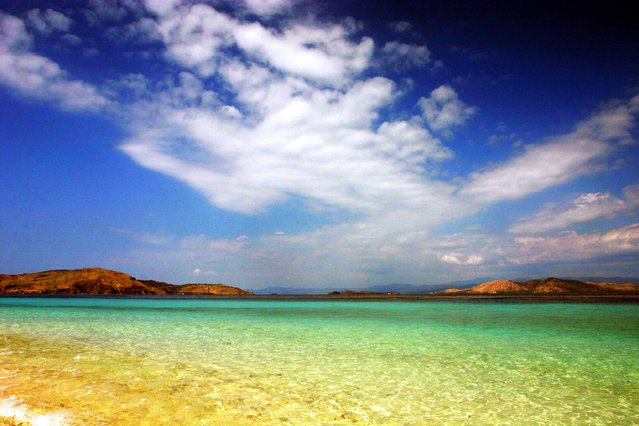
The Komodo National Park is a national park in Indonesia located within the Lesser Sunda Islands in the border region between the provinces of East Nusa Tenggara and West Nusa Tenggara. The park includes the three larger islands Komodo, Padar and Rinca, and 26 smaller ones, with a total area of 1,733 km² (603 km² of it land). The national park was founded in 1980 to protect the Komodo dragon, the world's largest lizard. Later it was dedicated to protecting other species, including marine species. In 1991 the national park was declared a UNESCO World Heritage Site and later as Man and Biosphere Reserve.
Details
12 Aug 2013 12:28:00
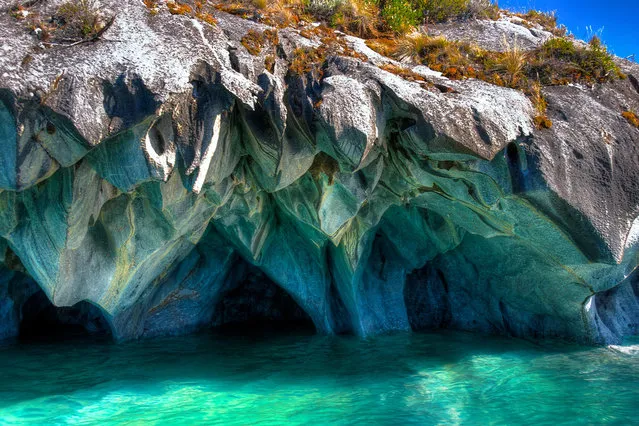
 Marble Caves, Patagonia, Chile

The Marble Caves of Patagonia, Chile, are beautiful vibrant blue caverns, partially submerged in the equally stunning turquoise waters of Carrera Lake. The lake itself is on the border of Argentina and Chile, with the caves located on the Chilean side. The caves are comprised of three main caverns: the Chapel (La Capilla), the Cathedral (El Catedral), and the Cave (La Cueva). Visitors to the caves can explore them in a small boat or kayak, but only when Carrera Lake’s waters are calm and gentle. A rare and invaluable natural wonder, the existence of these caves is currently threatened by plans to build five large dams in the area. If you visit these caves, please treat them with the utmost respect and care.
Details
15 Aug 2012 11:25:00
A baby wallaby

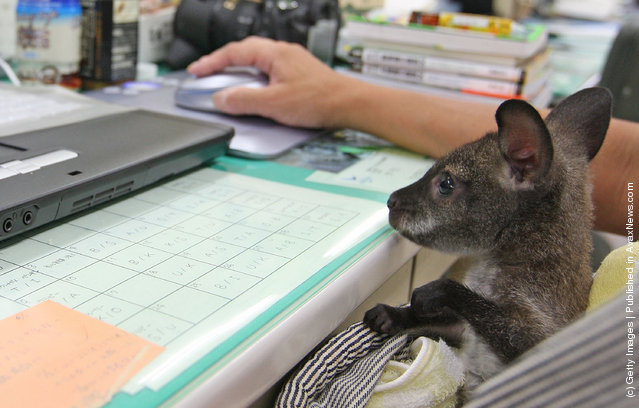
“Very small forest-dwelling wallabies are known as pademelons (genus Thylogale) and dorcopsises (genera Dorcopsis and Dorcopsulus). The name wallaby comes from the Eora Aboriginal tribe who were the original inhabitants of the Sydney area. Wallabies are herbivores whose diet consists of a wide range of grasses, vegetables, leaves, and other types of foliage”. – Wikipedia

Photo: A baby wallaby sits in a zoo attendant's lap at Edogawa Natural Zoo on August 4, 2009 in Tokyo, Japan. The staff of the zoo have raised the young wallaby after her mother neglected her. (Photo by Junko Kimura/Getty Images)
Details
07 Sep 2011 13:33:00


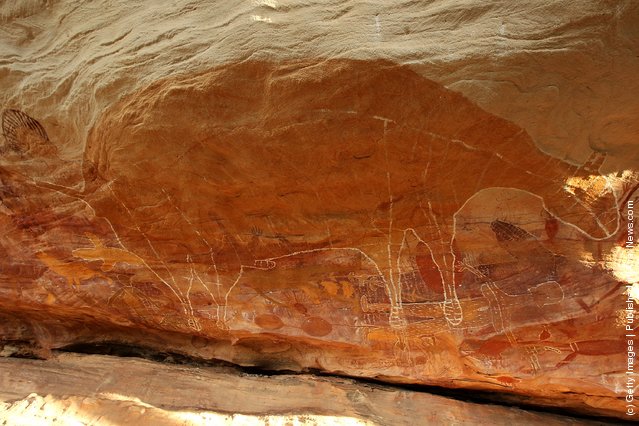
The artwork of Giant Horse Aboriginal rock art galleries in the Quinkan Country is seen on June 19, 2011 in Laura, Australia. The ancient aboriginal rock art in this region is some of the largest and oldest in the world, dating back over 15,000 years. Paintings, stencil art and engravings cover thelands traditionally home to the Kuku, Yalanji, Guugu Yimithirr and Kuku Thaypan people. As a UNESCO-identified top 10 rock art site in the world, international travelers visit the area to learn and understand the aboriginal culture through the artwork. (Photo by Mark Kolbe/Getty Images)
Details
23 Jun 2011 10:12:00