Loading...
Done
Amazon Tribe By David Lazar

David Lazar is a travel photographer and musician from Brisbane, Australia, who loves to capture moments of life, beauty and culture through photography. He is drawn to locations which have a rich cultural background and he is especially interested in portrait and landscape photography.
Details
24 Sep 2014 12:13:00
Amazon Tribe By David Lazar (Video)

Photographer David Lazar captured photos of native Dessana tribe, nearly 3,000 miles away from Brazil's capital. Tribe is only accessible by boat from city of Manaus. Surrounded by trees, waterfalls and tropical wildlife, this Amazon tribe is a world away from the beaches of Rio.
Details
27 Oct 2016 21:46:00
An indigenous girl carries a monkey inside her house in their village at Xingu national park in Mato Grosso, Brazil, October 2, 2015. (Photo by Paulo Whitaker/Reuters)

An indigenous girl carries a monkey inside her house in their village at Xingu national park in Mato Grosso, Brazil, October 2, 2015. The Kamayura tribe consists of around 300 people, and is one of the 16 ethnic groups living in the indigenous Xingu national park. (Photo by Paulo Whitaker/Reuters)
Details
18 Oct 2015 08:03:00
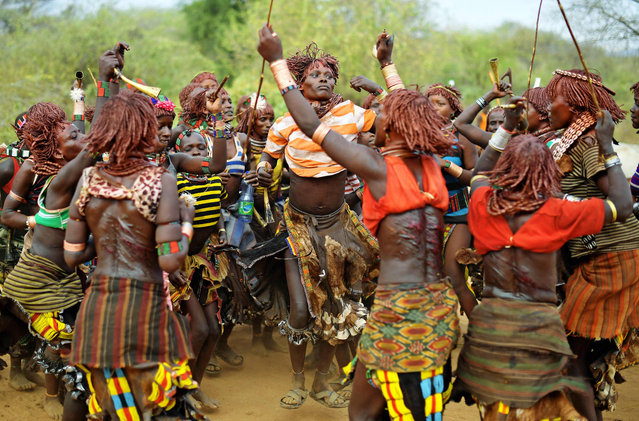
Hamar women dance before a bull jumping ceremony in Ethiopia's southern Omo Valley region near Turmi on September 19, 2016. The Hamar are a Nilotic ethnic group in Ethiopia. The construction of the Gibe III dam, the third largest hydroelectric plant in Africa, and large areas of very “thirsty” cotton and sugar plantations and factories along the Omo river are impacting heavily on the lives of tribes living in the Omo Valley who depend on the river for their survival and way of life. Human rights groups fear for the future of the tribes if they are forced to scatter, give up traditional ways through loss of land or ability to keep cattle as globalisation and development increases. (Photo by Carl De Souza/AFP Photo)

Hamar women dance before a bull jumping ceremony in Ethiopia's southern Omo Valley region near Turmi on September 19, 2016. The Hamar are a Nilotic ethnic group in Ethiopia. The construction of the Gibe III dam, the third largest hydroelectric plant in Africa, and large areas of very “thirsty” cotton and sugar plantations and factories along the Omo river are impacting heavily on the lives of tribes living in the Omo Valley who depend on the river for their survival and way of life. (Photo by Carl De Souza/AFP Photo)
Details
02 Oct 2016 08:45:00
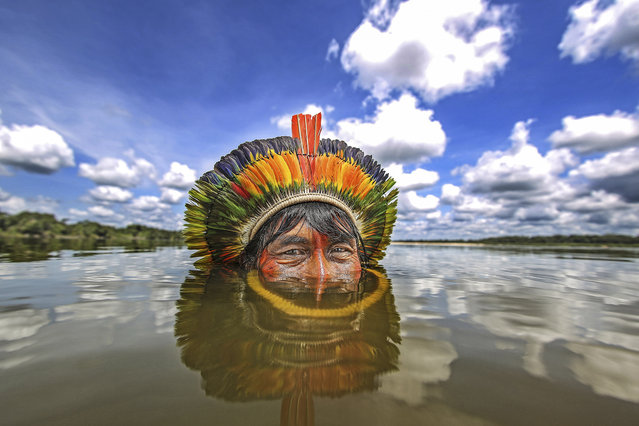
Bej indian in the Xingu river, state of Mato Grosso, Brazil on December 20, 2015 .(Photo by Ricardo Stuckert/Caters News Agency)

These images offer a rare glimpse of life within remote Brazilian tribes. Award winning photographer Ricardo, 47, said: “The pictures show the traditional way of life of these people who live in harmony with nature. The photos provide an overview of the contemporary situation of the indigenous people in Brazil”. Here: Bej indian in the Xingu river, state of Mato Grosso, Brazil on December 20, 2015 .(Photo by Ricardo Stuckert/Caters News Agency)
Details
12 Dec 2017 06:46:00
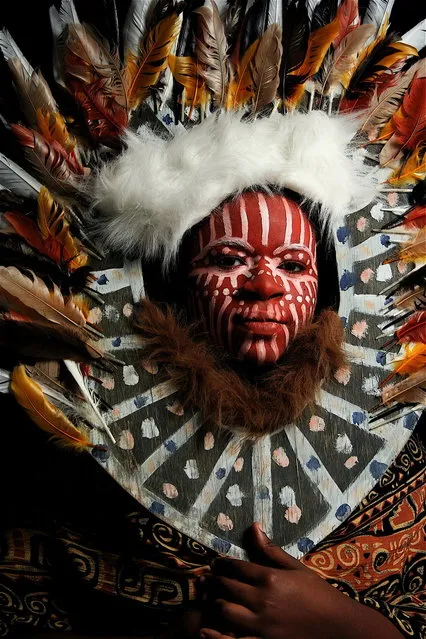
Tribe Kikuyu With Kenya

The Kikuyu tribe, also spelled as Gikuyu, is the largest ethnic group in Kenya, making up about 22% of the countries total population. That equals around 6 million people, according to the 2007 CIA World Fact Book.
Details
28 Jan 2013 12:36:00
Yawalapiti children play during the preparations for the celebration of “quarup”, a ritual held to honor in death a person of great importance to them, in the Xingu National Park, Mato Grosso State, May 7, 2012. (Photo by Ueslei Marcelino/Reuters)

Yawalapiti children play during the preparations for the celebration of “quarup”, a ritual held to honor in death a person of great importance to them, in the Xingu National Park, Mato Grosso State, May 7, 2012. (Photo by Ueslei Marcelino/Reuters)
Details
16 Oct 2014 13:07:00
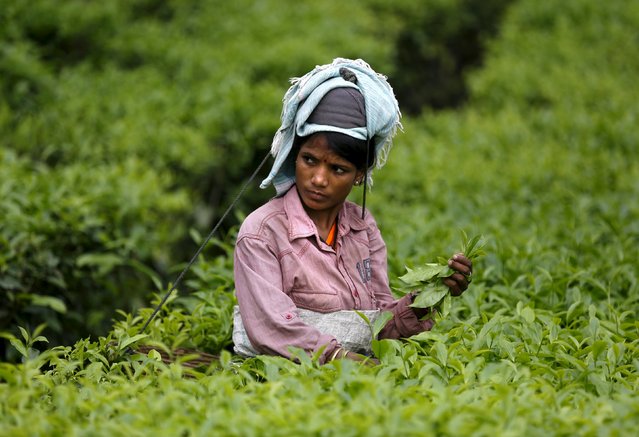
A tea garden worker plucks tea leaves inside Aideobarie Tea Estate in Jorhat in Assam, India, April 21, 2015. (Photo by Ahmad Masood/Reuters)

A tea garden worker plucks tea leaves inside Aideobarie Tea Estate in Jorhat in Assam, India, April 21, 2015. Unrest is brewing among Assam's so-called Tea Tribes as changing weather patterns upset the economics of the industry. Scientists say climate change is to blame for uneven rainfall that is cutting yields and lifting costs for tea firms. (Photo by Ahmad Masood/Reuters)
Details
05 May 2015 11:21:00