
“The Himba (singular: Omuhimba, plural: Ovahimba) are an ethnic group of about 20,000 to 50,000 people living in northern Namibia, in the Kunene region (formerly Kaokoland). Recently they have built two villages in Kamanjab which have become tourist destinations. They are mostly a semi-nomadic, pastoral people, closely related to the Herero, and speak Otjihimba, a dialect of the Herero language.
The Himba breed cattle and goats. The responsibility for milking the cows lies with the women. Women take care of the children, and one woman will take care of another woman's children. Women tend to perform more labor-intensive work than men do, such as carrying water to the village and building homes. Men handle the political tasks and legal trials.
Members of an extended family typically dwell in a homestead, “a small, circular hamlet of huts and work shelters” that surrounds “an okuruwo (ancestral fire) and a central livestock enclosure”. Both the fire and the livestock are closely tied to their belief in ancestor worship, the fire representing ancestral protection and the livestock allowing “proper relations between human and ancestor”.
Because of the harsh desert climate in the region where they live and their seclusion from outside influences, the Himba have managed to maintain much of their traditional lifestyle. Members live under a tribal structure based on bilateral descent that helps them live in one of the most extreme environments on earth.
Under bilateral descent, every tribe member belongs to two clans: one through the father (a patriclan, called oruzo) and another through the mother (a matriclan, called eanda). Himba clans are led by the eldest male in the clan. Sons live with their father's clan, and when daughters marry, they go to live with the clan of their husband. However, inheritance of wealth does not follow the patriclan but is determined by the matriclan, that is, a son does not inherit his father's cattle but his maternal uncle's instead.
Bilateral descent is found among only a few groups in West Africa, India, Australia, Melanesia and Polynesia, and anthropologists consider the system advantageous for groups that live in extreme environments because it allows individuals to rely on two sets of families dispersed over a wide area”. – Wikipedia
The Himba breed cattle and goats. The responsibility for milking the cows lies with the women. Women take care of the children, and one woman will take care of another woman's children. Women tend to perform more labor-intensive work than men do, such as carrying water to the village and building homes. Men handle the political tasks and legal trials.
Members of an extended family typically dwell in a homestead, “a small, circular hamlet of huts and work shelters” that surrounds “an okuruwo (ancestral fire) and a central livestock enclosure”. Both the fire and the livestock are closely tied to their belief in ancestor worship, the fire representing ancestral protection and the livestock allowing “proper relations between human and ancestor”.
Because of the harsh desert climate in the region where they live and their seclusion from outside influences, the Himba have managed to maintain much of their traditional lifestyle. Members live under a tribal structure based on bilateral descent that helps them live in one of the most extreme environments on earth.
Under bilateral descent, every tribe member belongs to two clans: one through the father (a patriclan, called oruzo) and another through the mother (a matriclan, called eanda). Himba clans are led by the eldest male in the clan. Sons live with their father's clan, and when daughters marry, they go to live with the clan of their husband. However, inheritance of wealth does not follow the patriclan but is determined by the matriclan, that is, a son does not inherit his father's cattle but his maternal uncle's instead.
Bilateral descent is found among only a few groups in West Africa, India, Australia, Melanesia and Polynesia, and anthropologists consider the system advantageous for groups that live in extreme environments because it allows individuals to rely on two sets of families dispersed over a wide area”. – Wikipedia
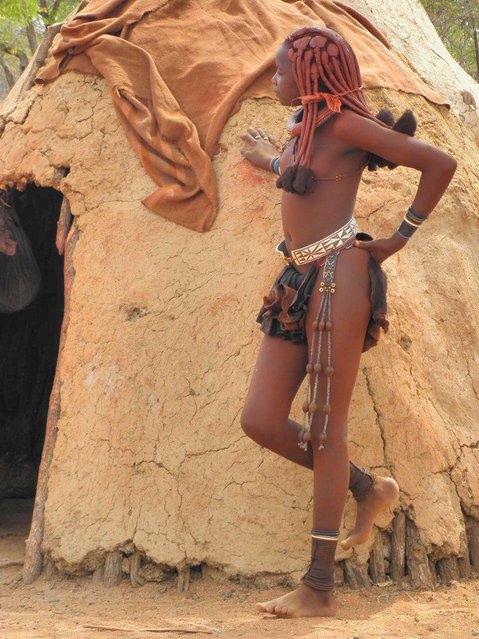
Photo by Anilegna
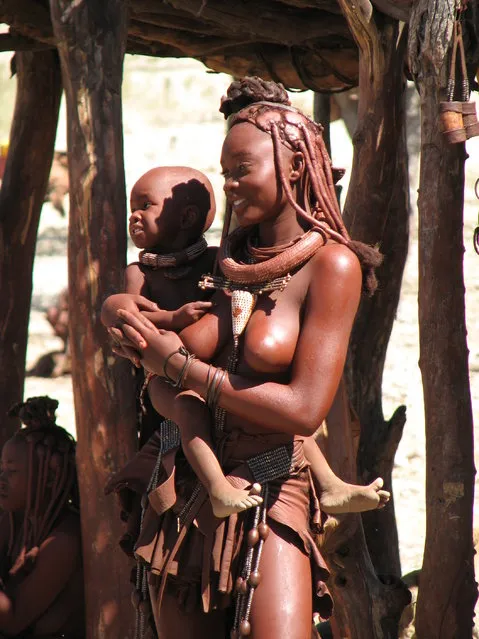
Photo by Ecololo
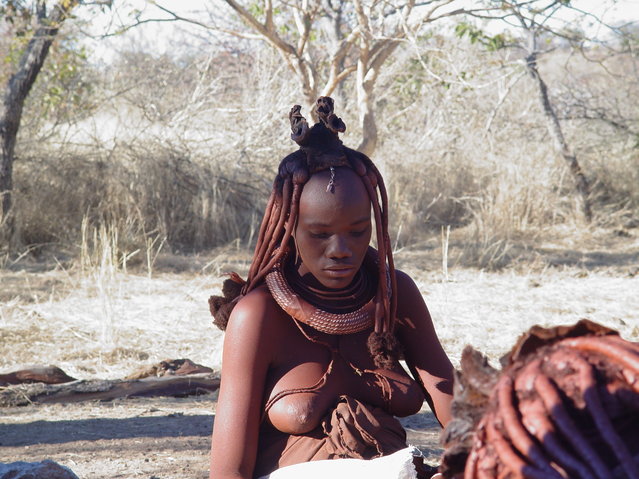
Photo by Ivan Rejon

Photo by Ecololo
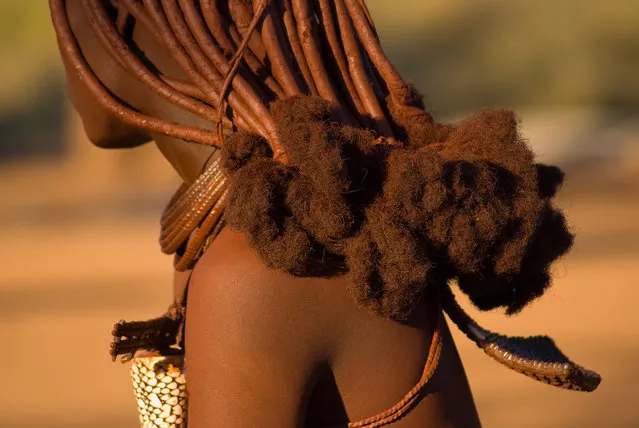
Photo by Annika Welling-Nyberg
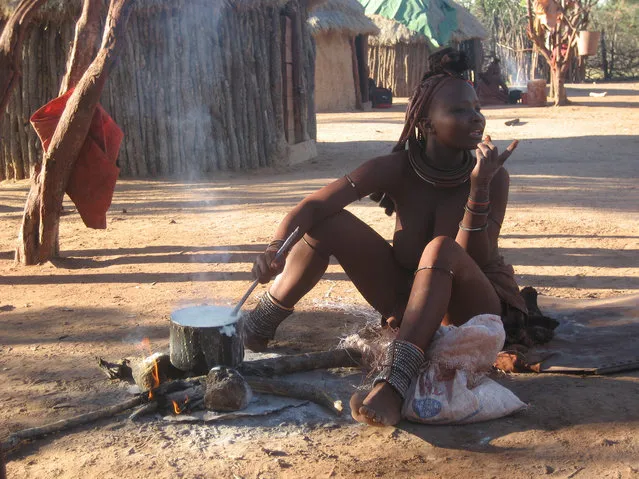
Photo by Coops007
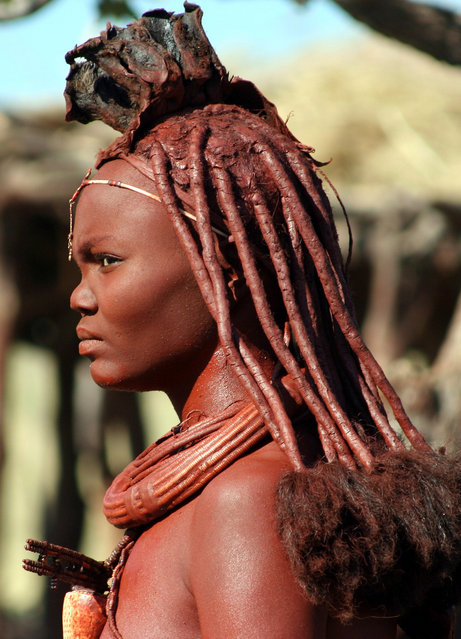
Photo by Fabio Simoni

Photo by Cedric Favero

Photo by Patricia Caldeira
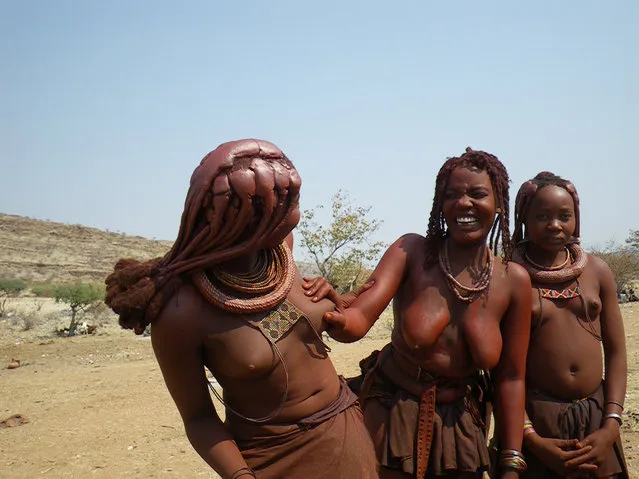
Photo by Mavericabj1
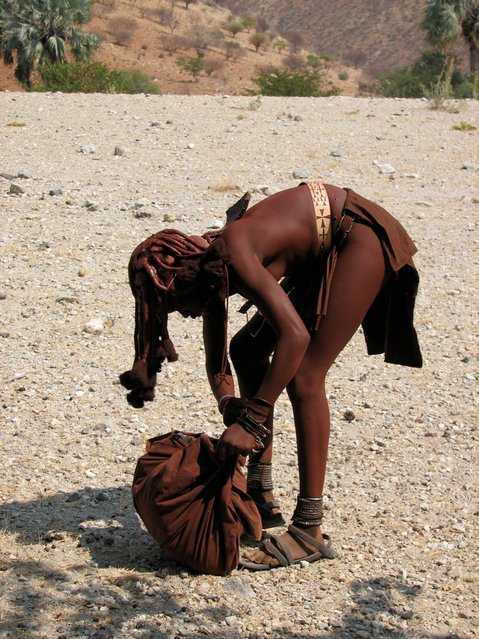
Photo by Diego Fernández Domínguez
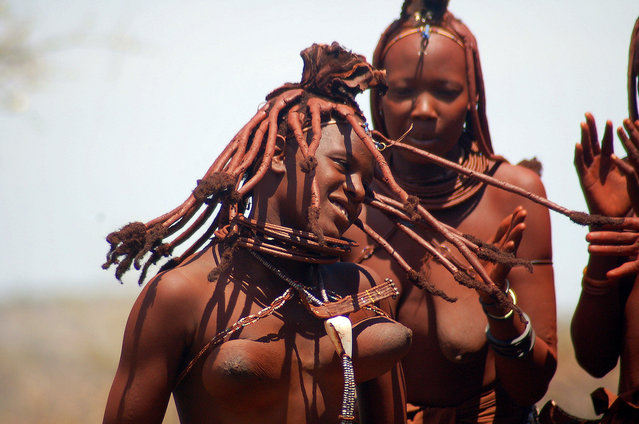
Photo by Patricia Caldeira
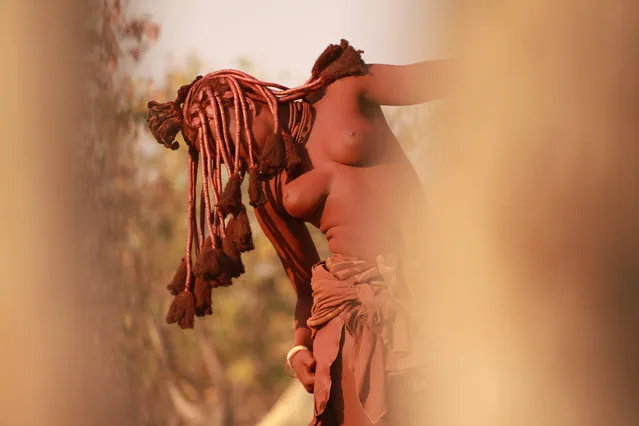
Photo by Marco Manna

Photo by Other Matt B.
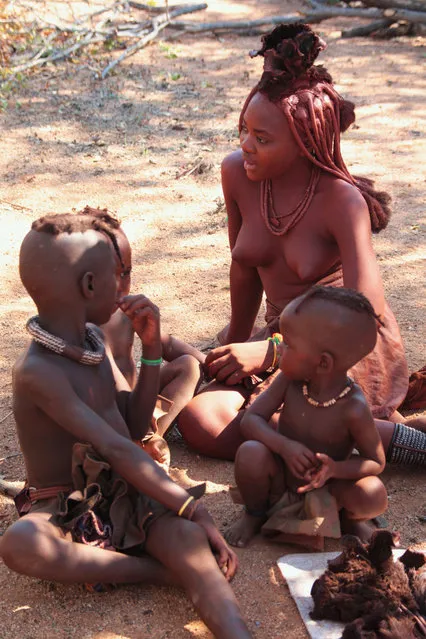
Photo by Wendy
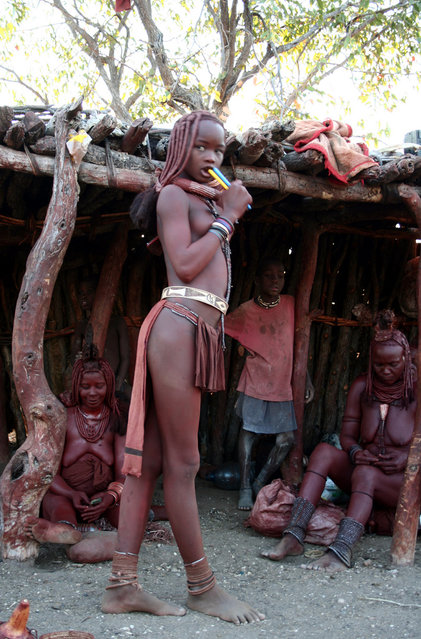
Photo by Tendance Evasion

Photo by Tim Thornton
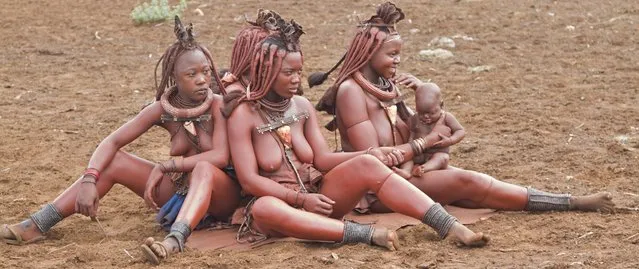
Photo by Tim Thornton
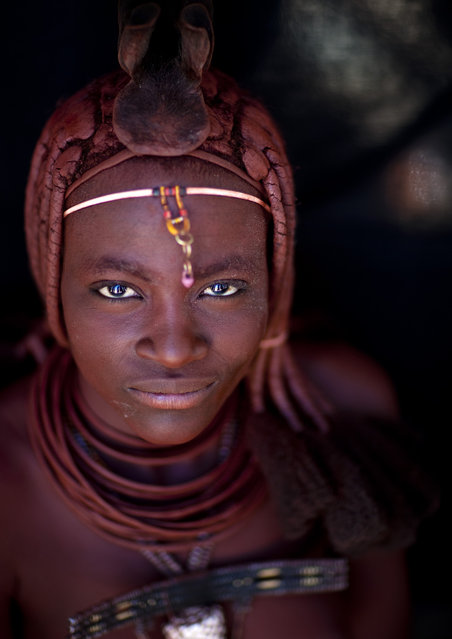
Photo by Eric Lafforgue

Photo by Alessandro Ravizza
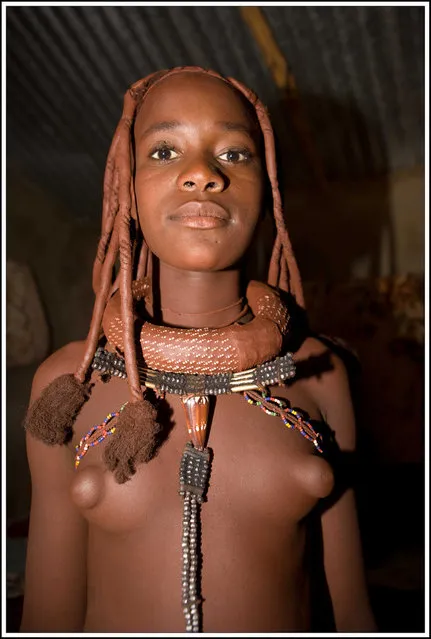
Photo by Alessandro Ravizza
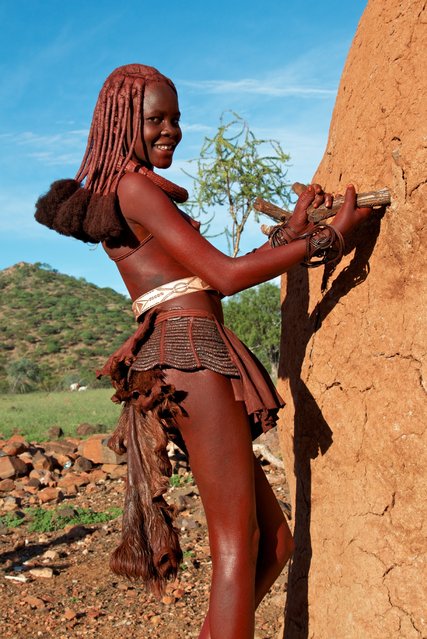
Photo by Tim Thornton
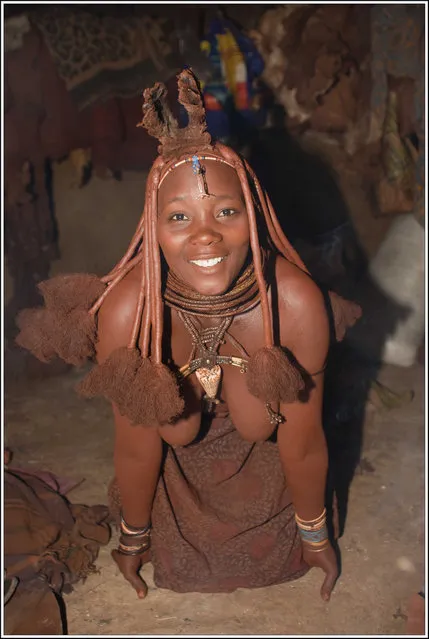
Photo by Alessandro Ravizza
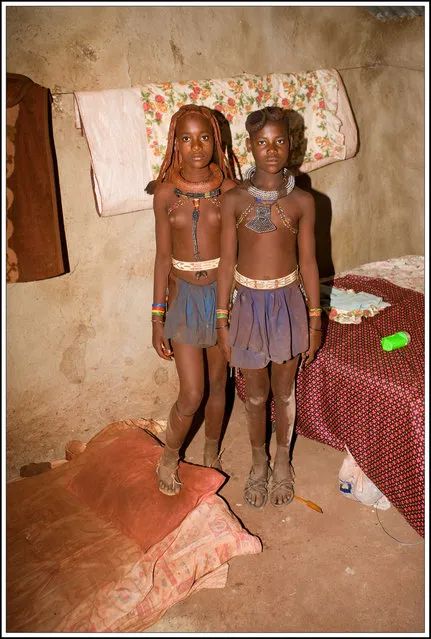
Photo by Alessandro Ravizza

Photo by Cristiano P.

Photo by Gabi
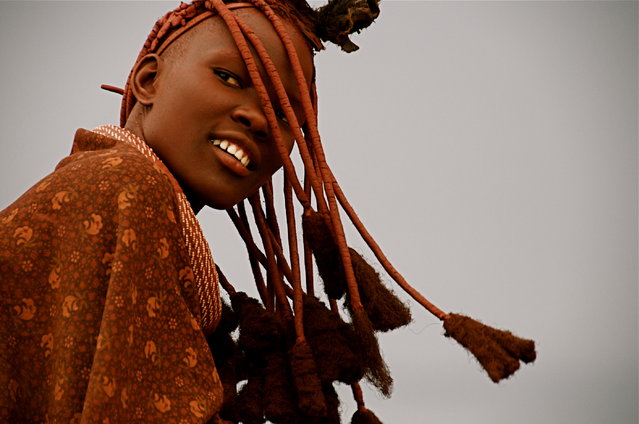
Photo by Frank Janssens
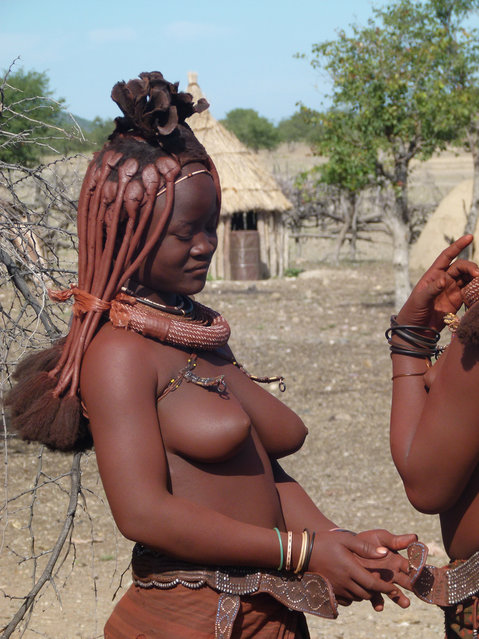
Photo by Antje Diehm
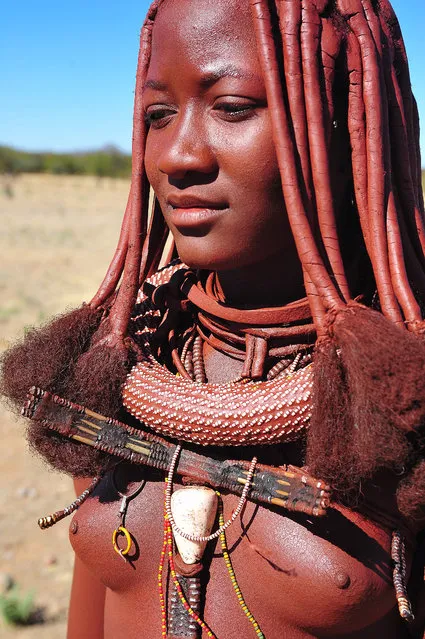
Photo by Luca Gargano
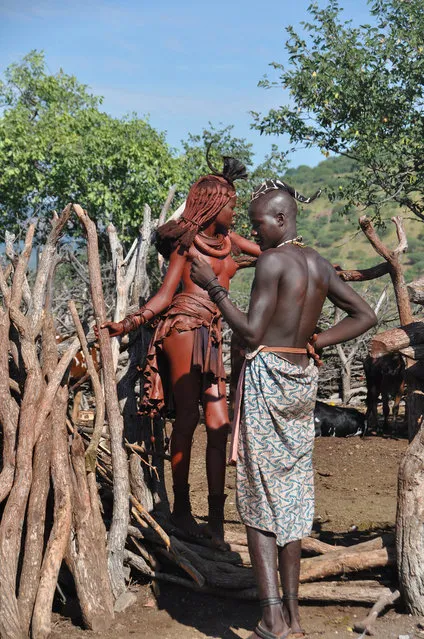
Photo by Gabi

Photo by Mario Gerth
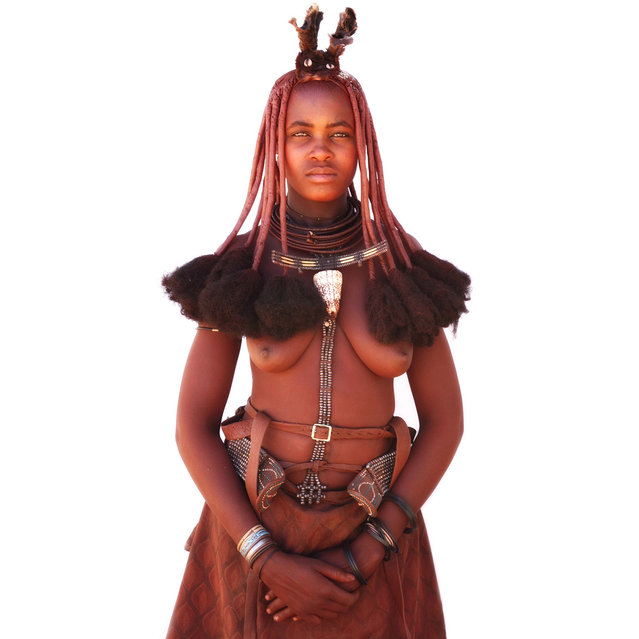
Photo by Mario Gerth

Photo by Ferdinand Reus
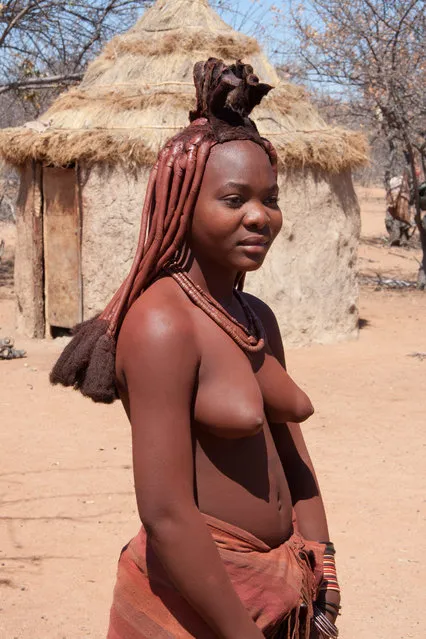
Photo by Jason Virtue

Photo by Julien Lagarde
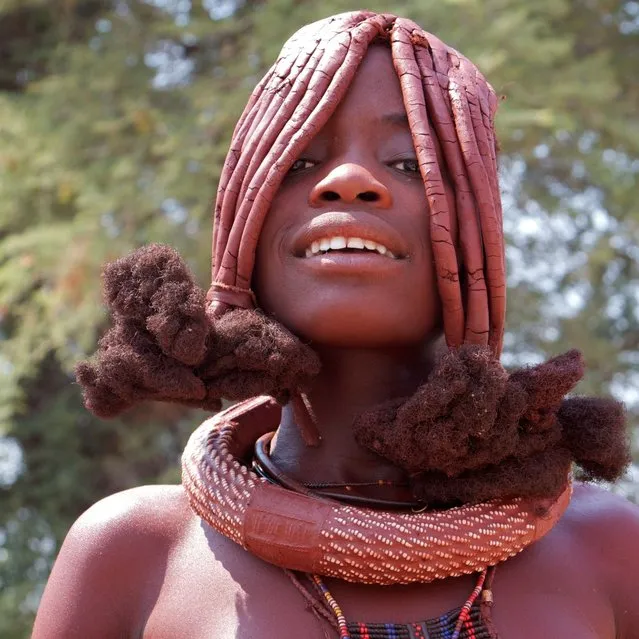
Photo by Tim Thornton
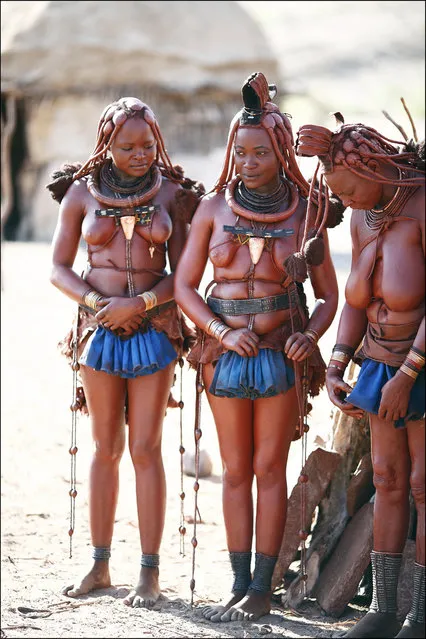
Photo by Jean Bourgeois
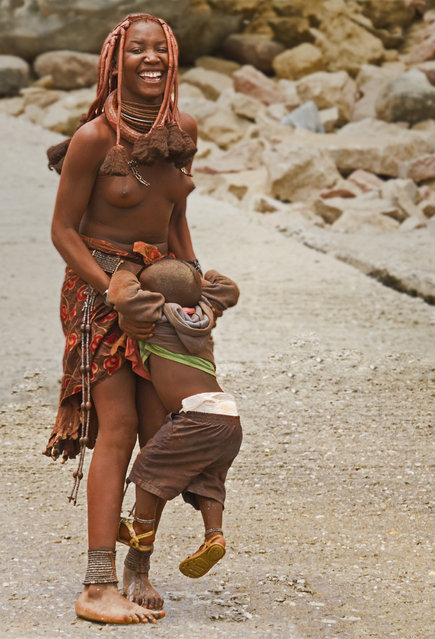
Photo by Peter Warne

Photo by Jean-François Bodart
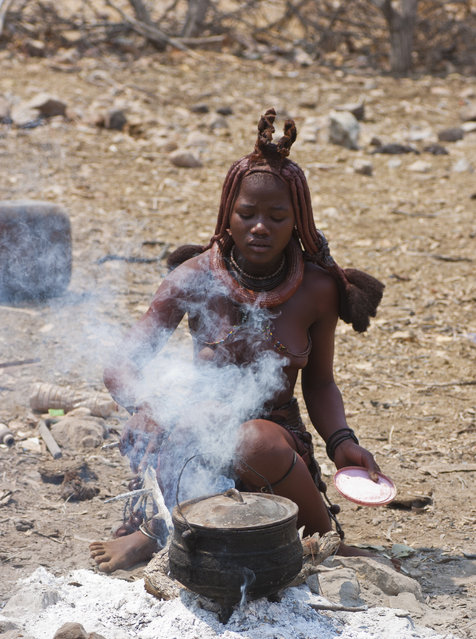
Photo by Giovanni Sequino

Photo by Mr. Snoopy
28 Jan 2014 09:03:00,
post received
0 comments