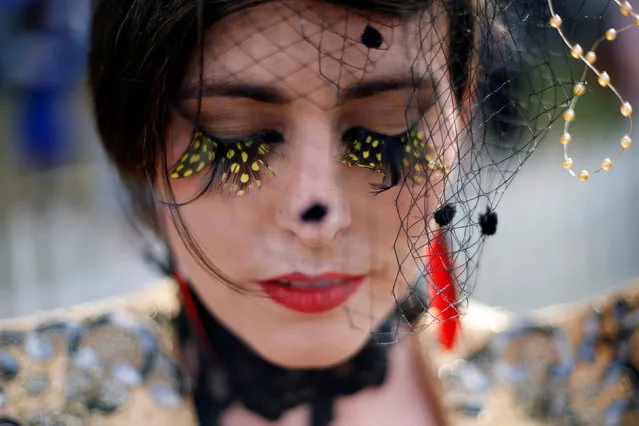
A person poses on the track during a fashion competition at the Durban July horse racing event in Durban, South Africa July 1, 2017. (Photo by Rogan Ward/Reuters)
Models backstage ahead of the St George New Generation show at Mercedes-Benz Fashion Week Australia 2015 at Carriageworks on April 16, 2015 in Sydney, Australia. (Photo by Brendon Thorne/Getty Images)
A woman photographs “Super Space Titan Kitty” by Colin Christian at the “Hello! Exploring the Supercute World of Hello Kitty” museum exhibit in honor of Hello Kitty's 40th anniversary, at the Japanese American National Museum in Los Angeles, California October 10, 2014. (Photo by Lucy Nicholson/Reuters)
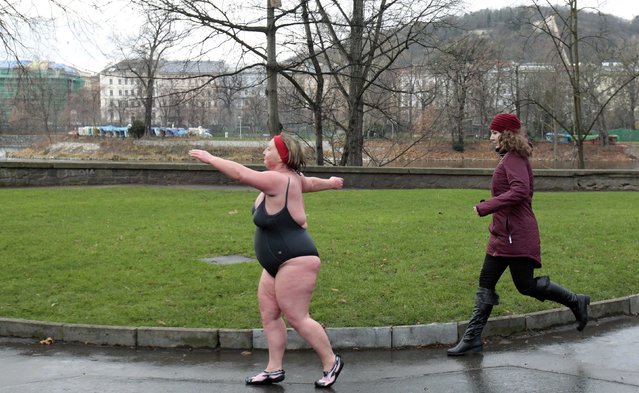
A woman looks at a swimmer getting herself warm after the annual Christmas winter swimming competition in the Vltava river in Prague December 26, 2014. (Photo by David W. Cerny/Reuters)
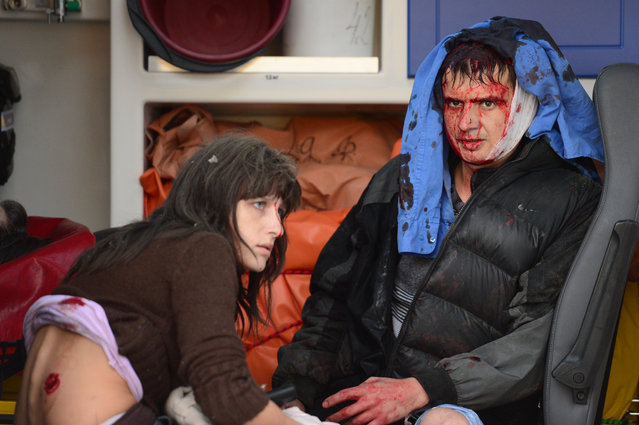
Two people sit in an ambulance waiting to be treated after a Grad rocket slammed into a shopping mall in Donetsk's Kubishevski district, in the eastern Ukraine, on October 8, 2014. At least two people were killed, and five were injured after some six Grad rockets hit the area. (Photo by John Macdougall/AFP Photo)
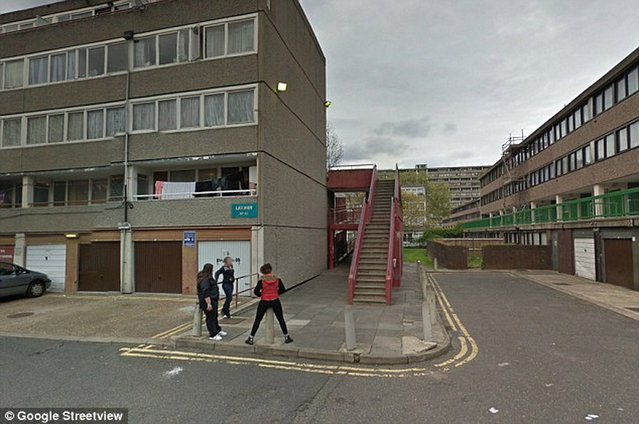
Take a walk on the wild side around some of the most down right dangerous places in the world - and all without leaving your desk, courtesy of Google Street View. Since 2007, Google's amazing technology has given people the chance to visit the Eiffel Tower, peer out over San Francisco's Golden Gate Bridge or walk along a beach in the Bahamas. But as well as mapping the tourist-friendly hotspots, Google also ventured into places you really wouldn't want to find yourself. Here is a collection of some the most notorious areas captured by the infamous roaming camera cars from around the UK and the world.
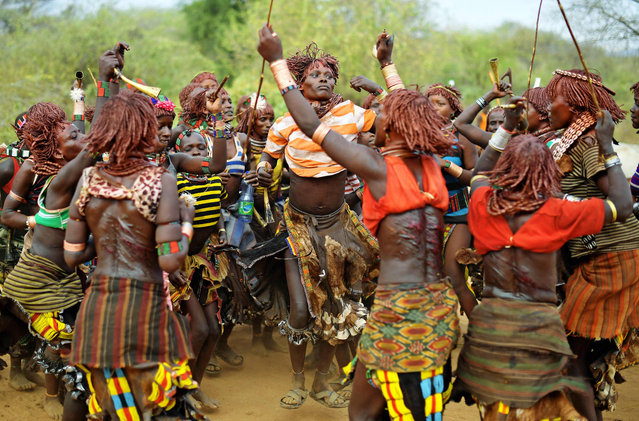
Hamar women dance before a bull jumping ceremony in Ethiopia's southern Omo Valley region near Turmi on September 19, 2016. The Hamar are a Nilotic ethnic group in Ethiopia. The construction of the Gibe III dam, the third largest hydroelectric plant in Africa, and large areas of very “thirsty” cotton and sugar plantations and factories along the Omo river are impacting heavily on the lives of tribes living in the Omo Valley who depend on the river for their survival and way of life. (Photo by Carl De Souza/AFP Photo)