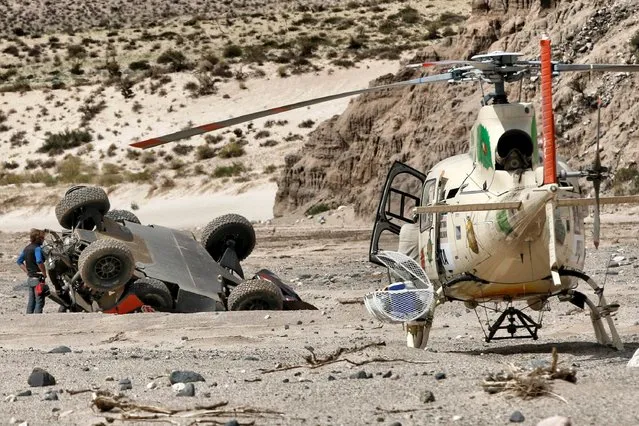
The Peugeot of Sebastien Loeb of France is seen turned over next to a helicopter during the eighth stage in the Dakar Rally 2016 near Belen, Argentina, January 11, 2016. (Photo by Andre Lavadinho/Reuters/World-ASO)
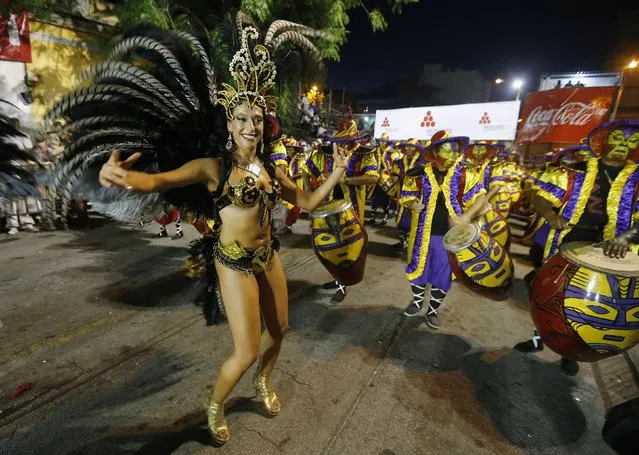
A member of a comparsa, a Uruguayan carnival group, dances during the Llamadas parade in Montevideo February 5, 2015. Thousands of people crowd the capital's Barrio Sur as costumed drummers and dancers kick off the street fiesta known as Llamadas which has traditional Afro-Uruguayan roots. The fiesta, also known in Spanish as “The Calls”, started during the colonial period as a slave parade on the city streets. (Photo by Andres Stapff/Reuters)
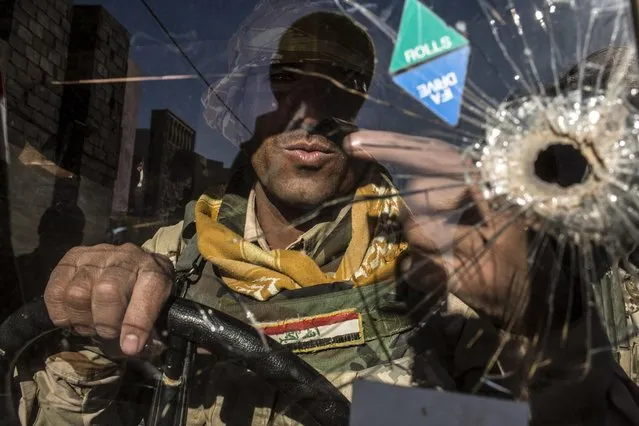
A Iraqi soldier of the 9th division is seen within a Humvee in Shyma district in Mosul, Iraq, Tuesday, December 6, 2016. Iraqi forces, backed by the U.S.-led international coalition, launched a campaign in October to retake Mosul, the country's second largest city and IS's last major urban bastion in Iraq. (Photo by Manu Brabo/AP Photo)
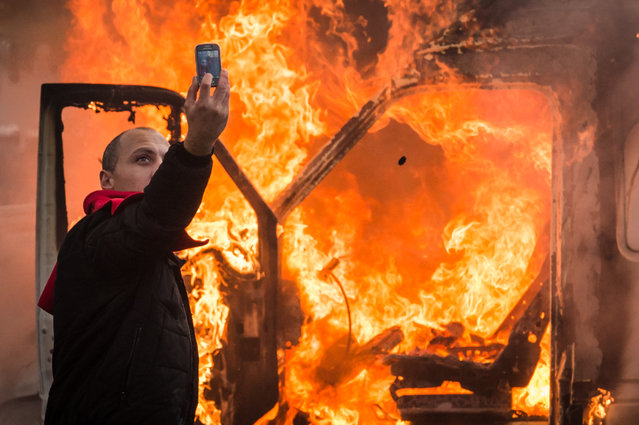
A protestor makes a selfie in front of a burning car during a national trade union demonstration in Brussels, Thursday November 6, 2014. Tens of thousands of demonstrators are converging on the Belgian capital to protest government policies that will extend the pension age, contain wages and cut into public services. (Photo by Geert Vanden Wijngaert/AP Photo)
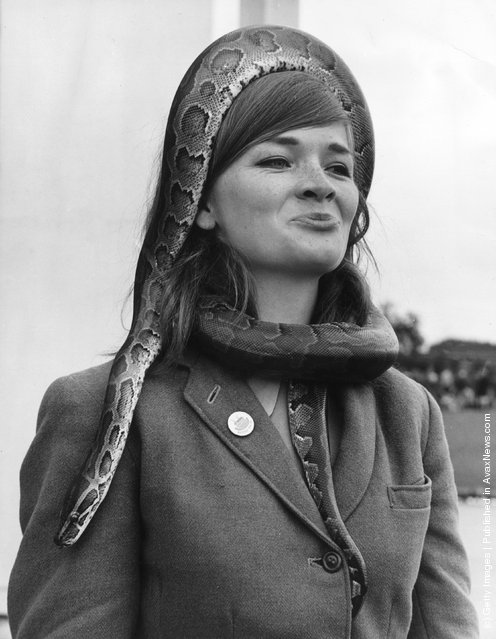
Linda Rooks from Yeovil in Somerset, a hostess at Whipsnade Zoo, wears “Tanga” a 7fy long python as a hat and scarf. (Photo by William Vanderson/Getty Images). 1965
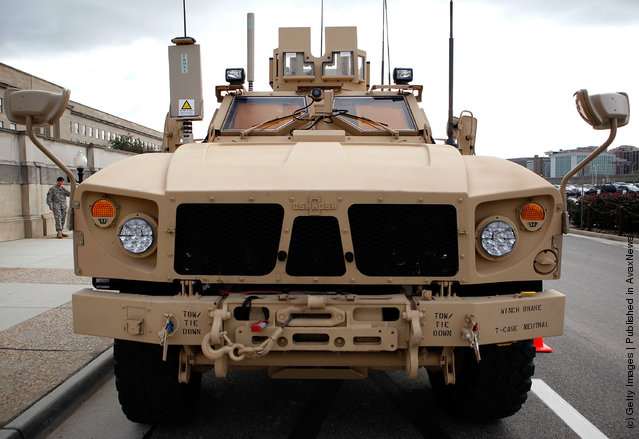
The Oshkosh M-ATV – MRAP (Mine Resistant Ambush Protected) vehicle developed by the Oshkosh Corporation of Oshkosh, Wisconsin. It is designed to provide the same levels of protection as the larger and heavier previous MRAPs but with improved mobility and it is intended to replace M1114 HMMWVs. (wikipedia) (Photo by Alex Wong/Getty Images)
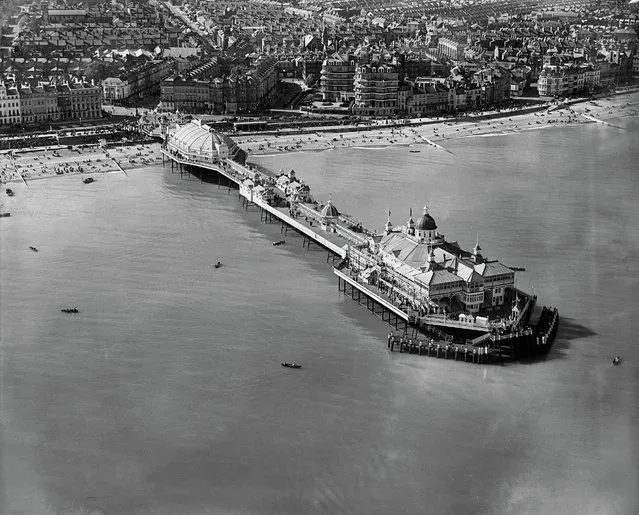
While the lido was described as bringing “modernism to the masses” on the British coast it was just the latest example of a trend that had been developing since Victorian times – transforming seaside towns into resorts for leisure and entertainment. In the latter half of the nineteenth century, the fashion was for local authorities to build great piers stretching from the promenade out into the sea. The Eastbourne Pier, pictured here in May 1931, was erected between 1866 and 1870 to an ingenious design by Eugenius Birch, which saw the structure sitting on special cups allowing the supporting struts to “move” in bad weather. Arranged on the pier's 1,000-foot length were kiosks, a theatre, a ballroom and a camera obscura. 1931. (Photo by Aerofilms Collection via “A History of Britain From Above”)