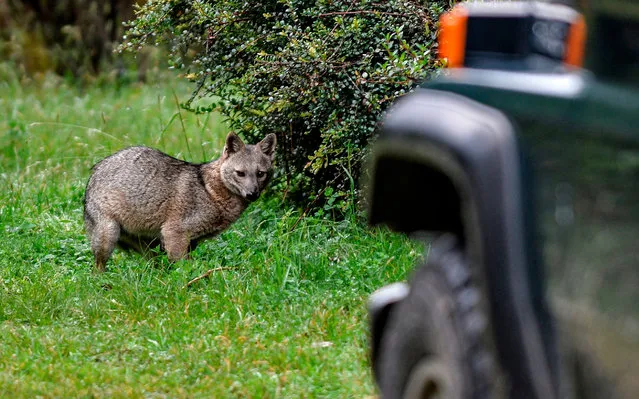
A crab-eating fox (Cerdocyon thous), also known as the forest fox, wood fox, or maikong, is seen in the wild in the municipality of Guasca, some 50 km from Bogota, on May 16, 2020. (Photo by Diana Sánchez/AFP Photo)
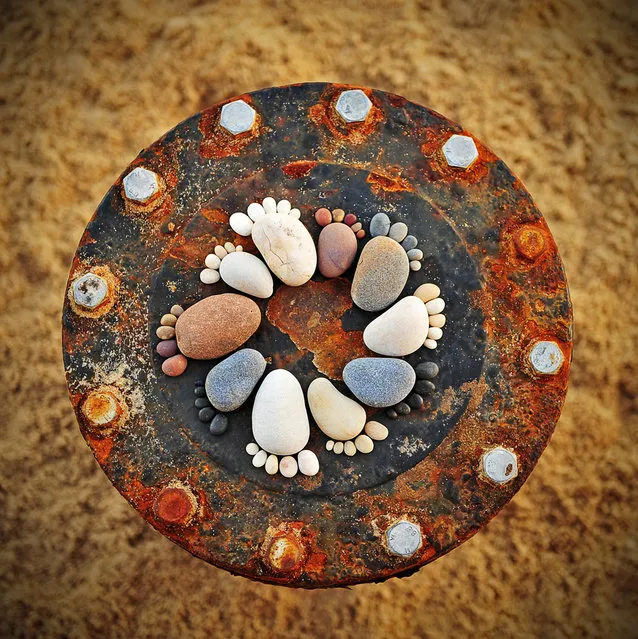
Iain Blake is an amateur photographer that has gained his popularity on the Internet thanks to his photoset of “Stone Footprints”. By finding the right stones and perfectly arranging them, Iain was able to make a number of very appealing pictures. For some reason, these “footprints” look adorable. It could have something to do with the cartoony appearance that they have. In our opinion, the finest photo out of this whole set is the one with a large footprint and a smaller one on top of it, as if a child has stepped into the footprint left by his or her parent. (Photo by Iain Blake)
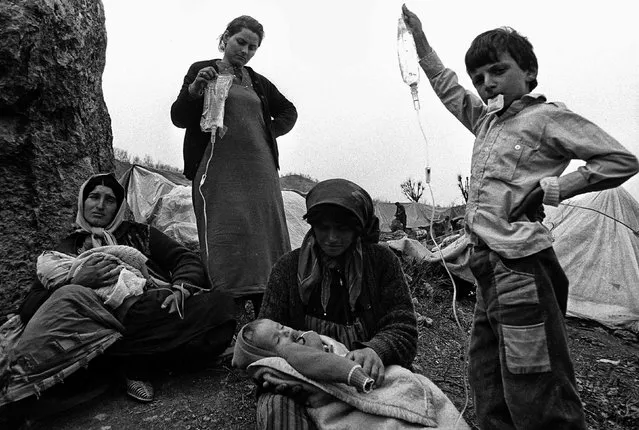
Iraqi Kurdish refugees wait with children in Cukurca refugee camp in Turkey April 8, 1991. Reuters photographers have chronicled Kurdish refugee crises over the years. In 1991 Srdjan Zivulovic documented refugees in Cukurca who had escaped a military operation by Saddam Hussein's government in Iraq aimed at “Arabising” Kurdish areas in the north. Hundreds of thousands fled into Turkey and Iran. Images shot in recent months show familiar scenes as crowds of people flee Islamic State militants in Syria. There are as many as 30 million Kurds, spread through Turkey, Iraq, Syria and Iran. Most Kurds are Sunni Muslims, but tend to feel more loyalty to their Kurdishness, rather than their religion. (Photo by Srdjan Zivulovic/Reuters)
Indian Air Force personnel parade during the 85th Air Force Day celebrations at Hindon Air Force base in Ghaziabad on October 8, 2017. (Photo by AFP Photo/Stringer)
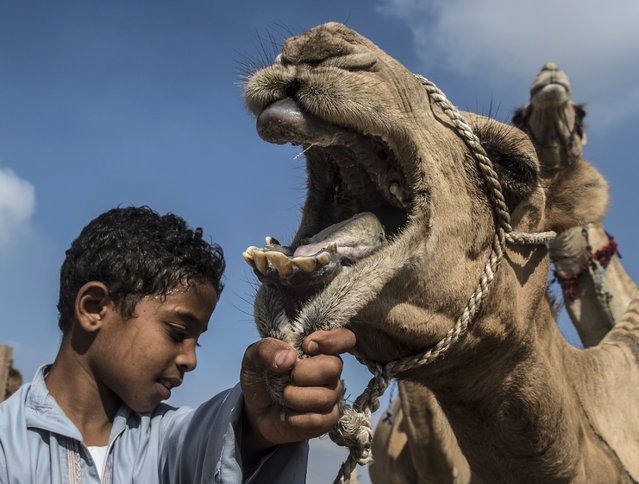
An Egyptian boy holds a camel at the Berqash camel market northeast of Cairo, on August 17, 2018. Muslims across the world are preparing for the Eid al-Adha holiday when custom requires the faithful to make a sacrifice. (Photo by Khaled Desouki/AFP Photo)
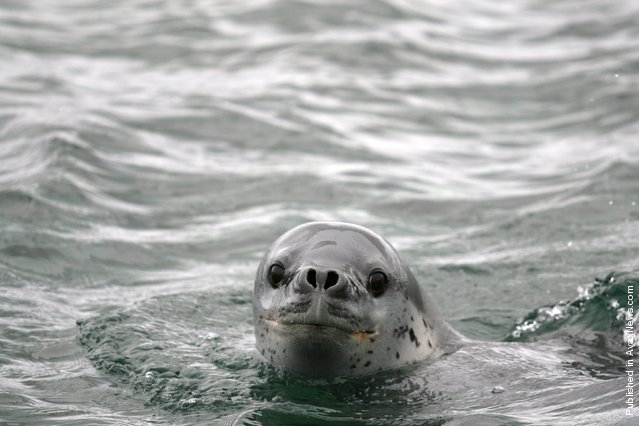
“The leopard seal (Hydrurga leptonyx), also referred to as the sea leopard, is the second largest species of seal in the Antarctic (after the southern elephant seal). It is most common in the southern hemisphere along the coast of Antarctica and on most sub-Antarctic islands, but can also be found on the coasts of southern Australia, Tasmania, South Africa, New Zealand, Lord Howe Island, Tierra del Fuego, the Cook Islands, and the Atlantic coast of South America. It can live twenty-six years, possibly more. Orcas and large sharks are the only natural predators of leopard seals”. – Wikipedia