Loading...
Done
Of all the species affected by river regulation in Australia, the ibis is one of the few that has changed its behaviour and moved to coastal cities. (Photo by Rick Stevens/The Guardian)

Tip turkey, dumpster chook, rubbish raptor – the Australian white ibis goes by many unflattering names. But it is a true urban success story, scavenging to survive in cities across Australia as wetlands have been lost. Wildlife photographer Rick Stevens captured them in Sydney. Here: Of all the species affected by river regulation in Australia, the ibis is one of the few that has changed its behaviour and moved to coastal cities. (Photo by Rick Stevens/The Guardian)
Details
11 Apr 2018 00:03:00
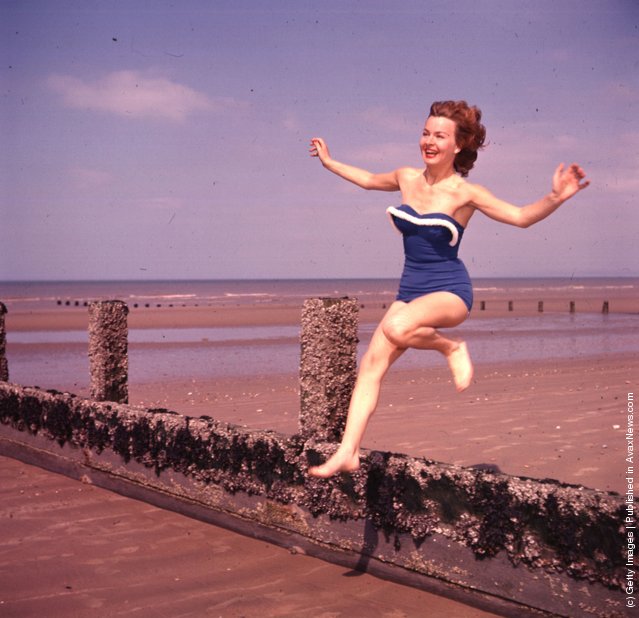
Marianne Brauns jumping a breakwater on the beach

Marianne Brauns jumping a breakwater on the beach, wearing a structured blue swimsuit with white trim. (Photo by Carl Sutton/Hulton Archive/Getty Images). Circa 1950
Details
09 Aug 2011 10:30:00
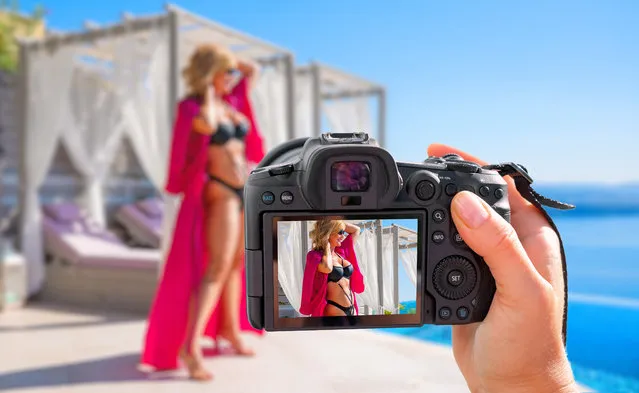
Photographer holding digital camera during photoshoot of fashion model. (Photo by grinvalds/Getty Images)

Photographer holding digital camera during photoshoot of fashion model. (Photo by grinvalds/Getty Images)
Details
20 Oct 2023 00:29:00
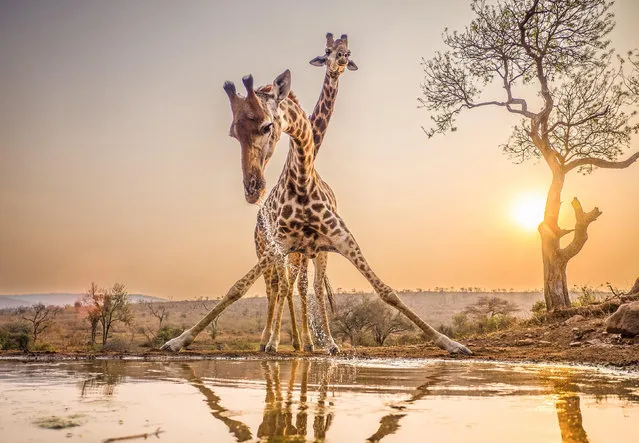
A giraffe appears almost to be doing the splits as it bends to drink at a watering hole on a reserve in Mkuze, South Africa in September 2023. (Photo by Peter Batty/Solent News)

A giraffe appears almost to be doing the splits as it bends to drink at a watering hole on a reserve in Mkuze, South Africa in September 2023. (Photo by Peter Batty/Solent News)
Details
27 Dec 2023 20:10:00
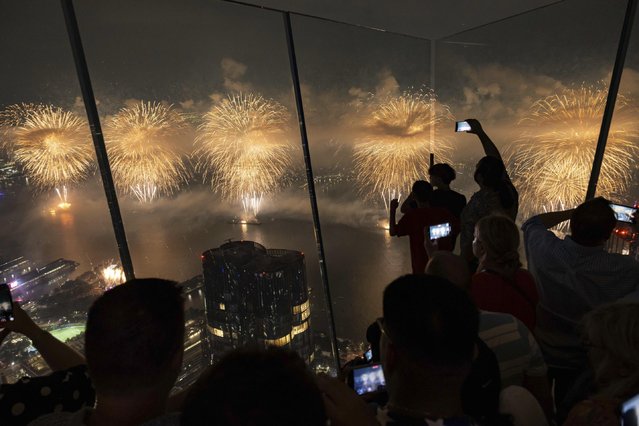
People watch the Macy's Fourth of July fireworks at the Edge at Hudson Yards on Thursday, July 4, 2024, in New York. (Photo by Yuki Iwamura/AP Photo)

People watch the Macy's Fourth of July fireworks at the Edge at Hudson Yards on Thursday, July 4, 2024, in New York. (Photo by Yuki Iwamura/AP Photo)
Details
29 Jul 2024 03:53:00
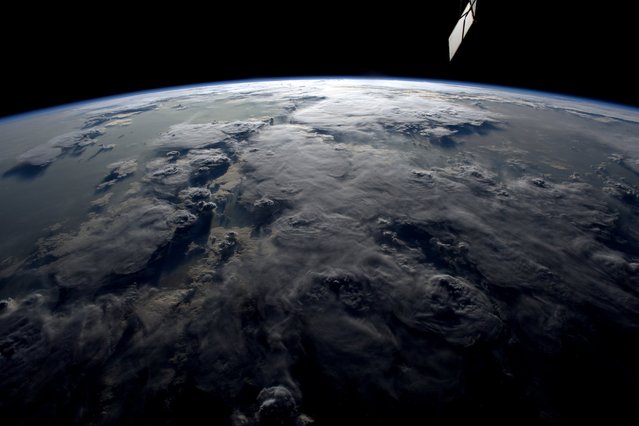
European Space Agency astronaut Tim Peake will return home after a six-month long mission on the International Space Station,on June 18, 2016. Peake was the first British ESA astronaut to visit the ISS and captured hundreds of photographs of the Earth during his mission. Here: “Lots of sun-glint right now during our whole orbit – we haven't seen a sunset for over 3 days”, he wrote. (Photo by Tim Peake/ESA/NASA)

European Space Agency astronaut Tim Peake will return home after a six-month long mission on the International Space Station,on June 18, 2016. Peake was the first British ESA astronaut to visit the ISS and captured hundreds of photographs of the Earth during his mission. Here: “Lots of sun-glint right now during our whole orbit – we haven't seen a sunset for over 3 days”, he wrote. (Photo by Tim Peake/ESA/NASA)
Details
18 Jun 2016 13:08:00
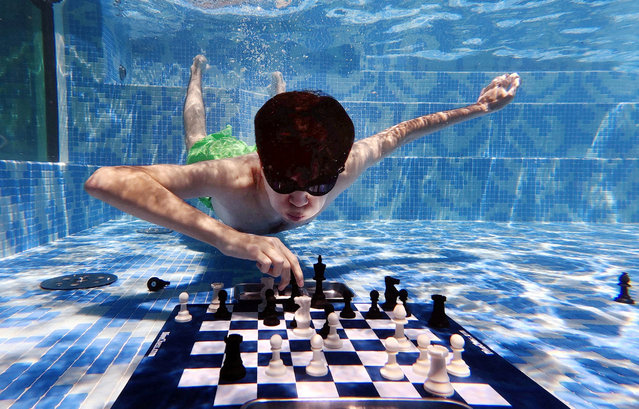
Uzbekistan's Javokhir Sindarov in action against Hans Niemann of the U.S. during the Diving Chess Competition in Cape Town, South Africa, on December 4, 2025. (Photo by Esa Alexander/Reuters)

Uzbekistan's Javokhir Sindarov in action against Hans Niemann of the U.S. during the Diving Chess Competition in Cape Town, South Africa, on December 4, 2025. (Photo by Esa Alexander/Reuters)
Details
14 Dec 2025 07:23:00
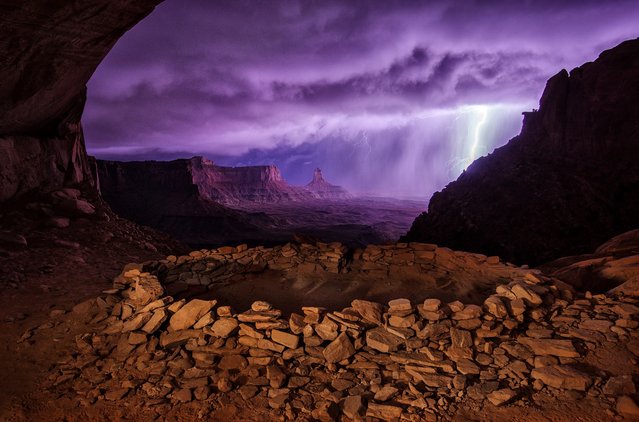
Second Place Winner: “Thunderstorm at False Kiva”. I hiked out to these ruins at night hoping to photograph them with the Milky Way, but instead a thunderstorm rolled through, creating this dramatic image. – Max Seigal. (Photo and caption by Max Seigal/National Geographic Traveler Photo Contest)

Second Place Winner: “Thunderstorm at False Kiva”. I hiked out to these ruins at night hoping to photograph them with the Milky Way, but instead a thunderstorm rolled through, creating this dramatic image. – Max Seigal. National Geographic Traveler Director of Photography Dan Westergren, one of this year's judges, shares his thoughts on the second place winner: “This photo combines two different scenes into one: the small kiva in a cliff dwelling and the grand vista of Canyonlands National Park across the valley. I really like the two different color palettes – warm inside and purple outside. This two-for-one scene was caused by the lightning storm outside the dwelling, which lit up the landscape like it was a huge electronic flash. Looking at this picture I can imagine what a wonderful sight it must have been for the ancient people who lived here. It doesn't seem too amazing now in our modern world, but might have been mind-blowing for the prehistoric residents”. Location: Utah. (Photo and caption by Max Seigal/National Geographic Traveler Photo Contest)

Details
02 Aug 2013 06:16:00