Loading...
Done
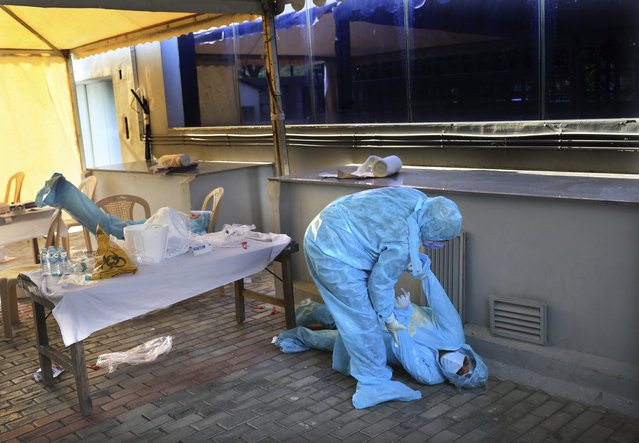
In this April 27, 2020 photo, a health worker helps another as she fainted because of exhaustion and long working hours during a swab test drive for COVID 19, in New Delhi, India. Two and a half months of nationwide lockdown kept numbers of infections relatively low in India. But with restrictions easing in recent weeks, cases have shot up, raising questions about whether authorities have done enough to avert catastrophe. Half of Delhi’s 8,200 hospital beds dedicated to COVID-19 patients are already full and officials are projecting more than half a million cases in the city alone by July 31. (Photo by Manish Swarup/AP Photo)

In this April 27, 2020 photo, a health worker helps another as she fainted because of exhaustion and long working hours during a swab test drive for COVID 19, in New Delhi, India. Two and a half months of nationwide lockdown kept numbers of infections relatively low in India. But with restrictions easing in recent weeks, cases have shot up, raising questions about whether authorities have done enough to avert catastrophe. Half of Delhi’s 8,200 hospital beds dedicated to COVID-19 patients are already full and officials are projecting more than half a million cases in the city alone by July 31. (Photo by Manish Swarup/AP Photo)
Details
08 Jan 2021 00:01:00
A patient solves a rubik's cube at a temporary hospital converted from “Wuhan Livingroom” in central China's Hubei Province on February 10, 2020. In face of the outbreak of the novel coronavirus pneumonia epidemic, Wuhan authorities have transformed public venues such as exhibition centers and gymnasiums into temporary hospitals. The hospitals have a large capacity of treating patients with mild symptoms and play an important role in isolating the source of infection and cutting off the routes of infection during epidemic prevention. The first batch of patients was hospitalized on Feb. 5. (Photo by Chine Nouvelle/SIPA Press/Rex Features/Shutterstock)

A patient solves a rubik's cube at a temporary hospital converted from “Wuhan Livingroom” in central China's Hubei Province on February 10, 2020. In face of the outbreak of the novel coronavirus pneumonia epidemic, Wuhan authorities have transformed public venues such as exhibition centers and gymnasiums into temporary hospitals. The hospitals have a large capacity of treating patients with mild symptoms and play an important role in isolating the source of infection and cutting off the routes of infection during epidemic prevention. The first batch of patients was hospitalized on Feb. 5. (Photo by Chine Nouvelle/SIPA Press/Rex Features/Shutterstock)
Details
17 Feb 2020 00:07:00
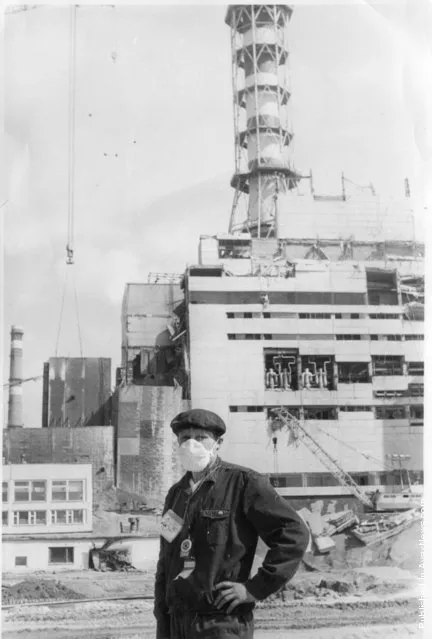
Chernobyl Disaster – Disaster Fighters

“The Chernobyl disaster was a catastrophic nuclear accident that occurred on 26 April 1986 at the Chernobyl Nuclear Power Plant in Ukrainian SSR, which was under the direct jurisdiction of the central authorities in Moscow. An explosion and fire released large quantities of radioactive contamination into the atmosphere, which spread over much of Western USSR and Europe. It is widely considered to have been the worst nuclear power plant accident in history, and is one of only two classified as a level 7 event on the International Nuclear Event Scale (the other being the Fukushima Daiichi nuclear disaster)”. – Wikipedia (Photos by Alexandr Strannik, August 1986; Source: LiveJournal)
Details
26 Apr 2012 13:20:00
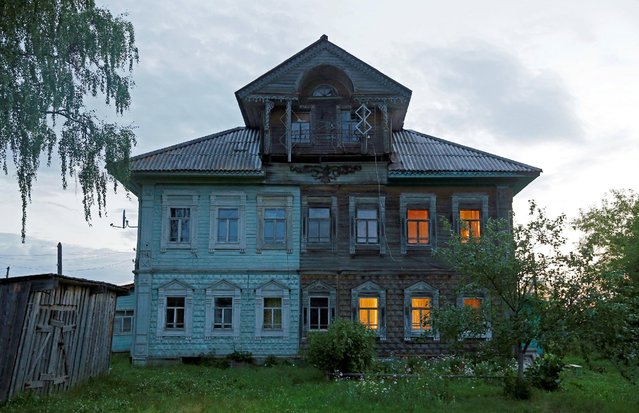
A view of the facade of a house in the village of Cherevkovo, Arkhangelsk region, Russia, July 12, 2016. (Photo by Maxim Shemetov/Reuters)

A view of the facade of a house in the village of Cherevkovo, Arkhangelsk region, Russia, July 12, 2016. Traditional wooden houses, many featuring exquisite carvings and craftsmanship, are falling into decay across Russia because of neglect, lack of funds and an exodus from the countryside to the cities. Urbanisation and a low birth rate are emptying out the countryside, and residents and authorities are often largely indifferent towards the historical value of their properties. (Photo by Maxim Shemetov/Reuters)
Details
10 Nov 2016 12:11:00
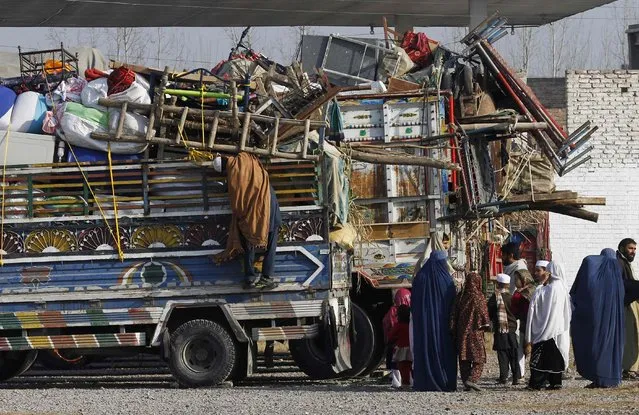
An Afghan refugee family stands by trucks loaded with their belongings as they wait to go back to Afghanistan with others, at the United Nations High Commissioner for Refugees (UNHCR) office on the outskirts of Peshawar February 13, 2015. (Photo by Fayaz Aziz/Reuters)

An Afghan refugee family stands by trucks loaded with their belongings as they wait to go back to Afghanistan with others, at the United Nations High Commissioner for Refugees (UNHCR) office on the outskirts of Peshawar February 13, 2015. Afghan immigrants ordered out of Pakistan in what officials say is a bid to root out militants are, some analysts say, scapegoats being used to distract attention from the authorities' failure to end violence. (Photo by Fayaz Aziz/Reuters)
Details
20 Feb 2015 12:27:00
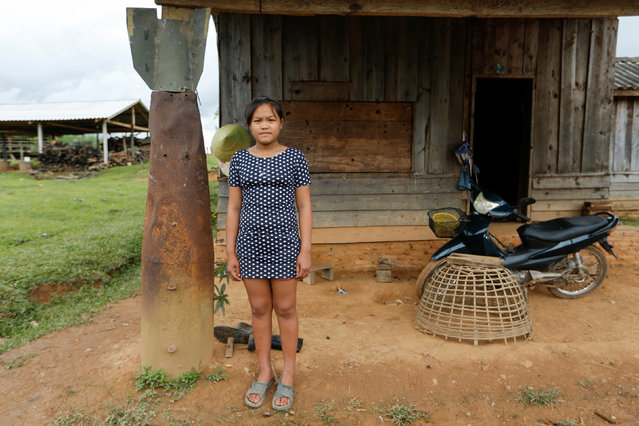
A girl poses at an entrance of her house next to a bomb dropped by the U.S. Air Force planes during the Vietnam War, in the village of Ban Napia in Xieng Khouang province, Laos September 3, 2016. (Photo by Jorge Silva/Reuters)

A girl poses at an entrance of her house next to a bomb dropped by the U.S. Air Force planes during the Vietnam War, in the village of Ban Napia in Xieng Khouang province, Laos September 3, 2016. From 1964 to 1973, U.S. warplanes dropped more than 270 million cluster munitions on Laos, one-third of which did not explode, according to the Lao National Regulatory Authority. (Photo by Jorge Silva/Reuters)
Details
06 Sep 2016 10:30:00
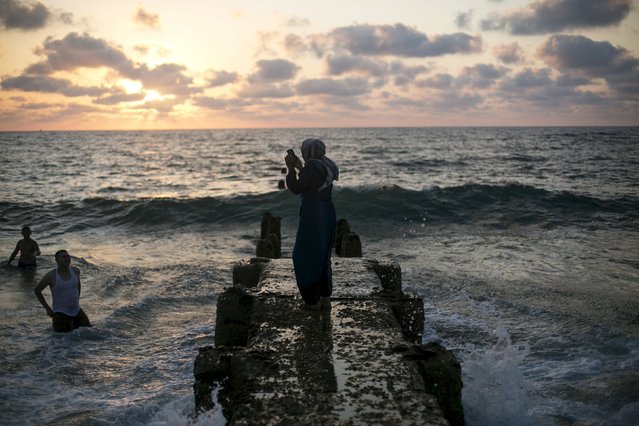
A Muslim woman takes a picture of a man in the water of the Mediterranean sea in Tel Aviv during Eid al-Fitr, which marks the end of the holy month of Ramadan July 19, 2015. (Photo by Baz Ratner/Reuters)

A Muslim woman takes a picture of a man in the water of the Mediterranean sea in Tel Aviv during Eid al-Fitr, which marks the end of the holy month of Ramadan July 19, 2015. Thousands of Palestinians used permits given by the Israeli authorities allowing many to enjoy the beaches along Israel's Mediterranean shoreline during the Eid al-Fitr holiday. (Photo by Baz Ratner/Reuters)
Details
20 Jul 2015 10:10:00
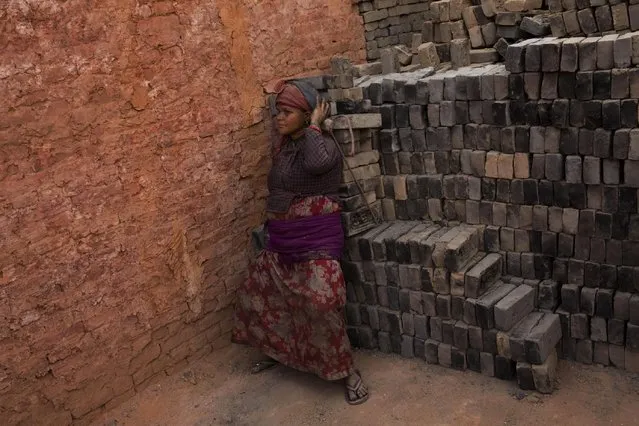
In this Wednesday, May 13, 2015 photo, a Nepalese laborer carries a load of bricks at a brick factory in Bhaktapur, Nepal. (Photo by Bernat Amangue/AP Photo)

In this Wednesday, May 13, 2015 photo, a Nepalese laborer carries a load of bricks at a brick factory in Bhaktapur, Nepal. Almost 745,600 buildings and homes have been damaged or destroyed, including at least 87,700 in the capital, according to Nepal's emergency authority. Engineers say only 40 percent of Kathmandu's damaged buildings as habitable. (Photo by Bernat Amangue/AP Photo)
Details
17 May 2015 11:13:00