Loading...
Done
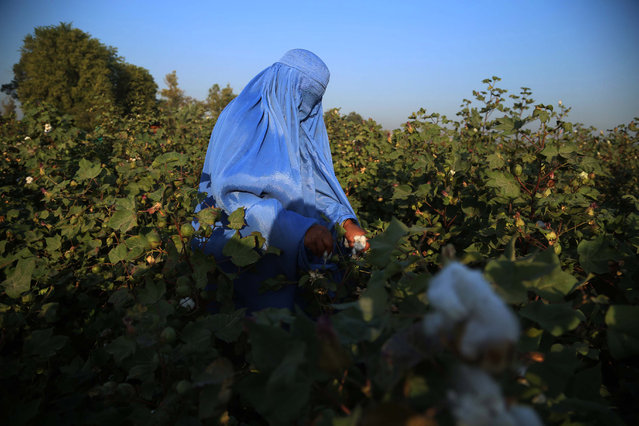
An Afghan woman collects cotton buds at governmental farms in Jalalabad, Afghanistan, 20 October 2020. Afghanistan's agriculture and livestock department in Nangarhar province hire women and people in need of cash assistance to harvest cotton from their farms. (Photo by Ghulamullah Habibi/EPA/EFE)

An Afghan woman collects cotton buds at governmental farms in Jalalabad, Afghanistan, 20 October 2020. Afghanistan's agriculture and livestock department in Nangarhar province hire women and people in need of cash assistance to harvest cotton from their farms. (Photo by Ghulamullah Habibi/EPA/EFE)
Details
28 Nov 2020 00:01:00
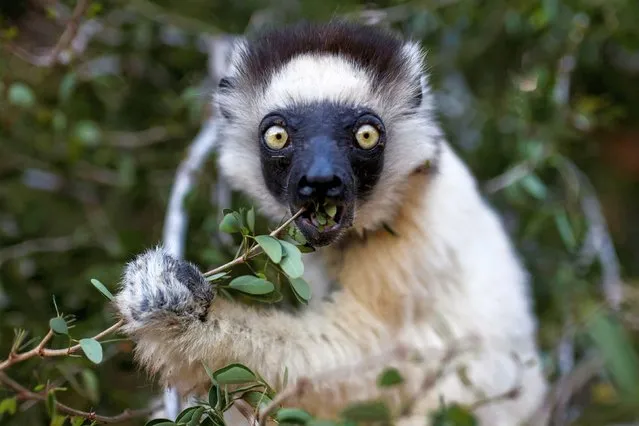
A sifaka lemur eats leaves at the Berenty Reserve in Toliara province, Madagascar, February 15, 2022. (Photo by Alkis Konstantinidis/Reuters)

A sifaka lemur eats leaves at the Berenty Reserve in Toliara province, Madagascar, February 15, 2022. (Photo by Alkis Konstantinidis/Reuters)
Details
06 Mar 2022 05:40:00
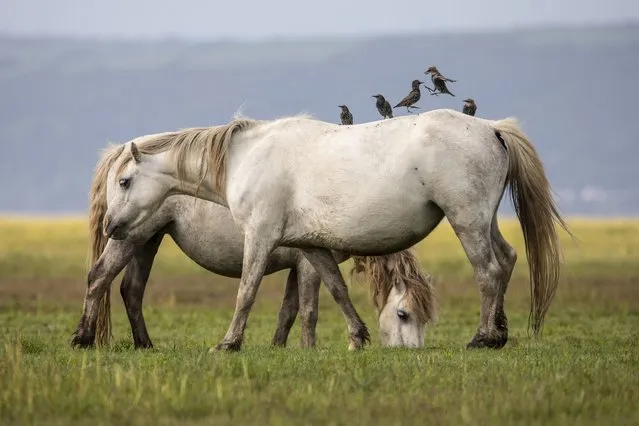
Semi-feral, conservation ponies, graze on the salt marsh's of Gower, Swansea, Wales, United Kingdom on September 7, 2022. (Photo by Joann Randles/Cover Images)

Semi-feral, conservation ponies, graze on the salt marsh's of Gower, Swansea, Wales, United Kingdom on September 7, 2022. (Photo by Joann Randles/Cover Images)
Details
18 Sep 2022 04:43:00
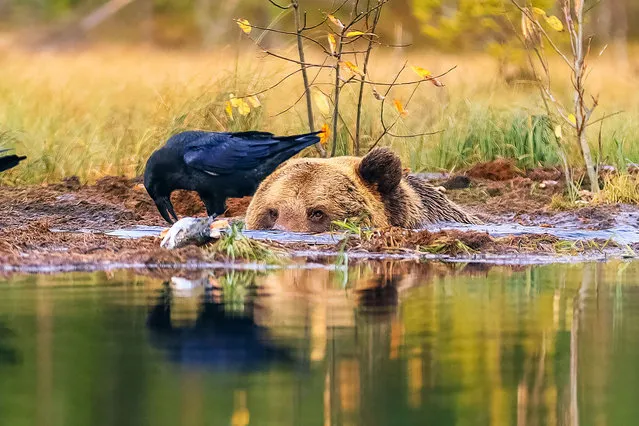
In the forests of Viiksimo in Finland, in October 2023, a popular spot for watching wolves and bears, a crow has a rival at its lunch spot. (Photo by Valtteri Mulkahainen/Caters News Agency)

In the forests of Viiksimo in Finland, in October 2023, a popular spot for watching wolves and bears, a crow has a rival at its lunch spot. (Photo by Valtteri Mulkahainen/Caters News Agency)
Details
05 Nov 2023 05:36:00
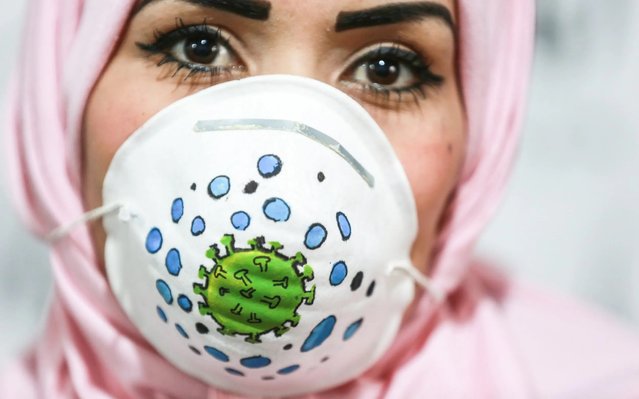
Gazan artist wears a face mask to raise awareness to the novel coronavirus (Covid-19) spread in Gaza Strip on March 25, 2020. (Photo by Ali Jadallah/Anadolu Agency via Getty Images)

Gazan artist wears a face mask to raise awareness to the novel coronavirus (Covid-19) spread in Gaza Strip on March 25, 2020. (Photo by Ali Jadallah/Anadolu Agency via Getty Images)
Details
30 Mar 2020 00:07:00
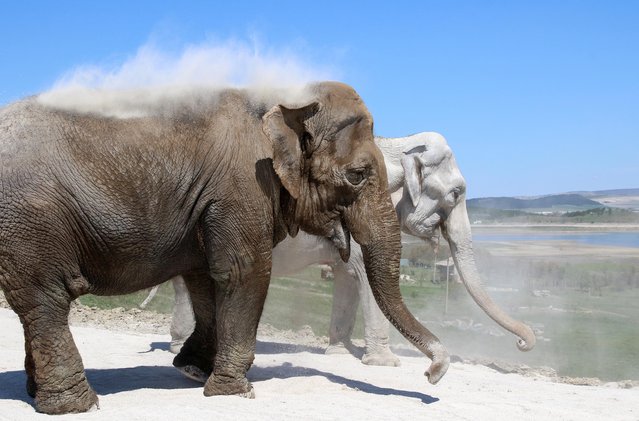
Elephants dust themselves with soil at Taigan safari park in Belogorsk, Crimea on May 4, 2021. (Photo by Alexey Pavlishak/Reuters)

Elephants dust themselves with soil at Taigan safari park in Belogorsk, Crimea on May 4, 2021. (Photo by Alexey Pavlishak/Reuters)
Details
09 May 2021 08:05:00
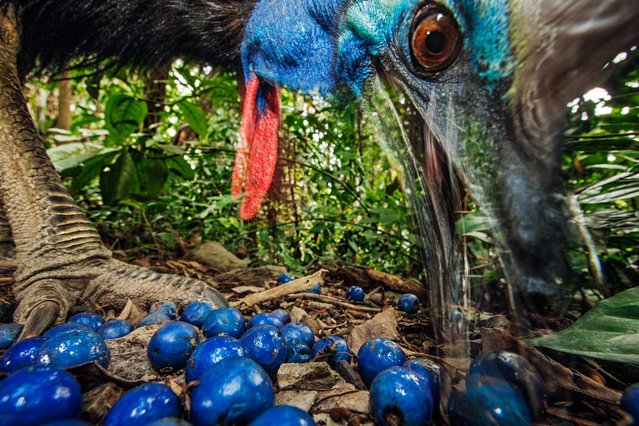
“Cassowaries are large, flightless birds related to emus and (more distantly) to ostriches, rheas, and kiwis”, writes Olivia Judson in the September issue of National Geographic magazine. (Photo by Christian Ziegler/National Geographic)

“Cassowaries are large, flightless birds related to emus and (more distantly) to ostriches, rheas, and kiwis”, writes Olivia Judson in the September issue of National Geographic magazine. How large? People-size: Adult males stand well over five foot five and top 110 pounds. Females are even taller, and can weigh more than 160 pounds. Dangerous when roused, they’re shy and peaceable when left alone. But even birds this big and tough are prey to habitat loss. The dense New Guinea and Australia rain forests where they live have dwindled. Today cassowaries might number 1,500 to 2,000. And because they help shape those same forests – by moving seeds from one place to another – “if they vanish”, Judson writes, “the structure of the forest would gradually change” too. (Photo by Christian Ziegler/National Geographic)

Details
06 Jan 2014 12:21:00
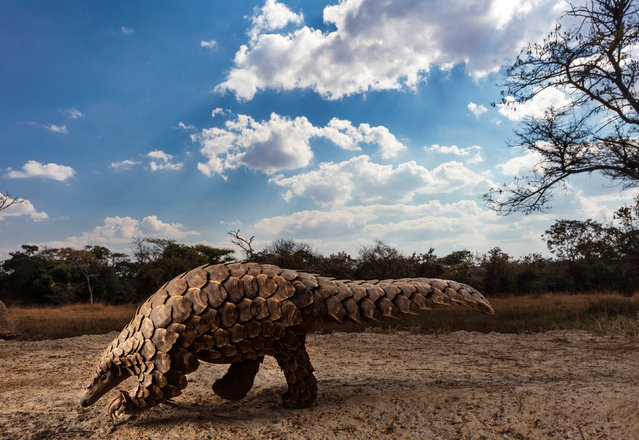
Pangolins in Crisis: Brent Stirton, South Africa; 1st place, Natural world and wildlife. “Pangolins are the world’s most illegally trafficked mammals, with an estimated one million trafficked to Asia in the last 10 years. Their scales are used in traditional Chinese and Vietnamese medicine, and their meat is sold as a high-priced delicacy. As a result, pangolins are listed as critically endangered and anyone who trades or consumes them is breaking the law. This body of work exposes the trade, while exploring aspects of illegality and celebrating the people who are trying to save these animals”. (Photo by Brent Stirton/Sony World Photography Awards 2020)

Pangolins in Crisis: Brent Stirton, South Africa; 1st place, Natural world and wildlife. “Pangolins are the world’s most illegally trafficked mammals, with an estimated one million trafficked to Asia in the last 10 years. Their scales are used in traditional Chinese and Vietnamese medicine, and their meat is sold as a high-priced delicacy. As a result, pangolins are listed as critically endangered and anyone who trades or consumes them is breaking the law. This body of work exposes the trade, while exploring aspects of illegality and celebrating the people who are trying to save these animals”. (Photo by Brent Stirton/Sony World Photography Awards 2020)
Details
11 Jun 2020 00:05:00