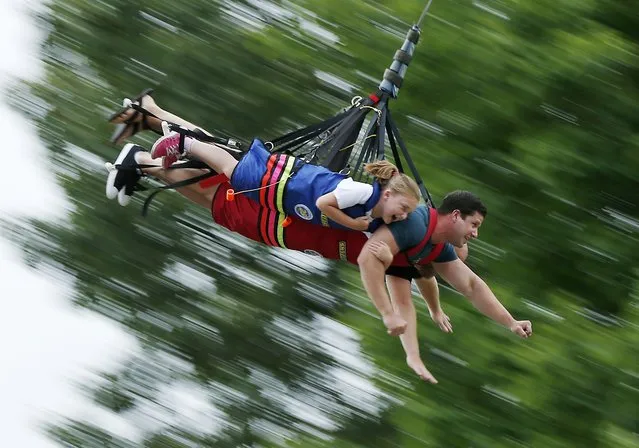
Lilly Caron, 8, of Bridgeton, Maine, Jason Homchick, of San Diego, and Lilly's father Jason Caron, (obscured), ride the Sky Swing at Seacoast Adventure, Thursday, July 14, 2016, in Wyndham, Maine. The 100-foot-tall swing gives riders the combined thrills of sky diving and hang gliding. (Photo by Robert F. Bukaty/AP Photo)
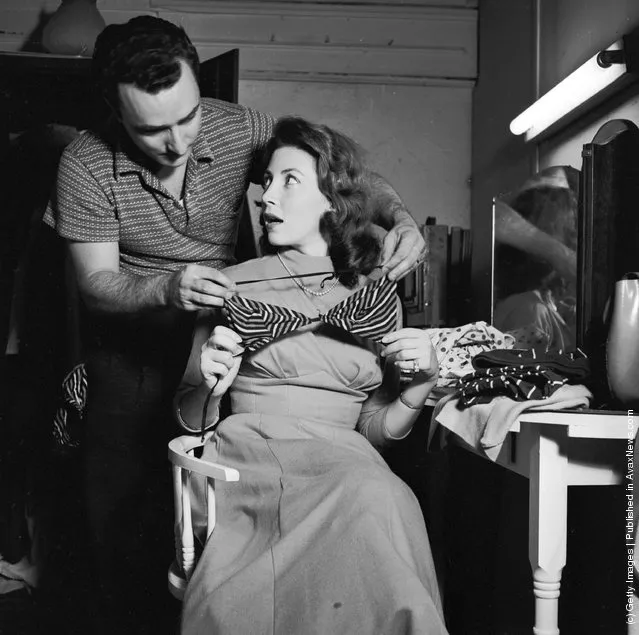
A pornographer posing as a fashion photographer sets up a photoshoot with an unsuspecting model, in the hope of getting some illicit footage. He suggests she try wearing something a little more suggestive. (Photo by Pryor/Three Lions/Getty Images). Circa 1955
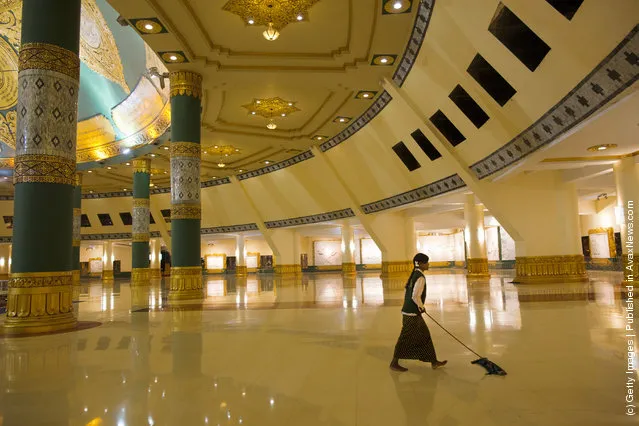
A Burmese worker sets up Christmas lights inside a woman's clothing store inside a shopping mall December 6, 2011 in Nay Pyi Taw, Myanmar. (Photo by Paula Bronstein/Getty Images)
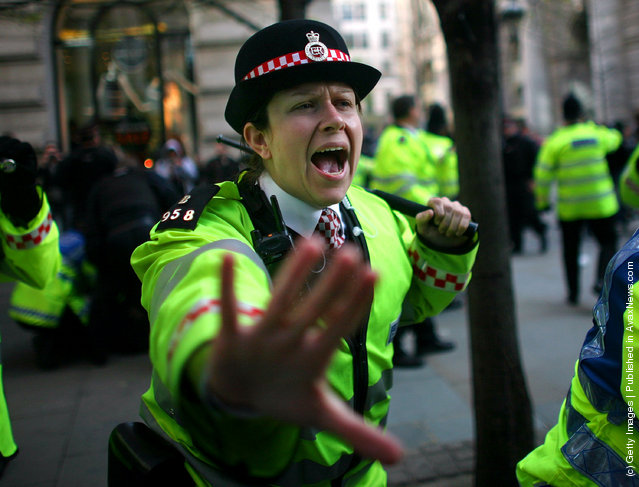
Riot police walk in the street as a couple kiss on June 15, 2011 in Vancouver, Canada. Vancouver broke out in riots after their hockey team the Vancouver Canucks lost in Game Seven of the Stanley Cup Finals. (Photo by Rich Lam/Getty Images)
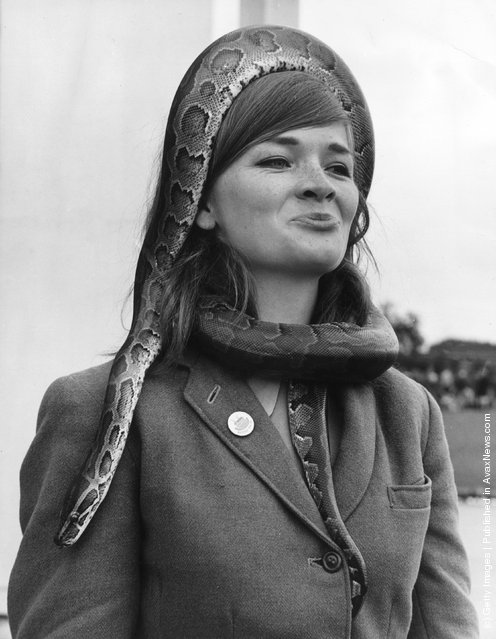
Linda Rooks from Yeovil in Somerset, a hostess at Whipsnade Zoo, wears “Tanga” a 7fy long python as a hat and scarf. (Photo by William Vanderson/Getty Images). 1965
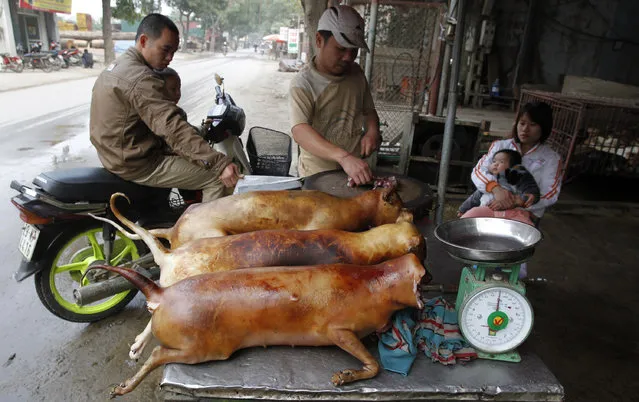
A vendor (C) cuts slaughtered dogs for sale at his roadside stall in Duong Noi village, outside Hanoi December 16, 2011. While animal rights activists have condemned eating dog meat as cruel treatment of the animals, it is still an accepted popular delicacy for some Vietnamese, as well in some other Asian countries. Duong Noi is well-known as a dog-meat village, where hundreds of dogs are killed each day for sale as popular traditional food. Dog-eating as a custom is rooted in Vietnam and was developed as a result of poverty. One kilogram of dog meat costs about 130,000 dongs ($6.2). (Photo by Reuters/Kham)
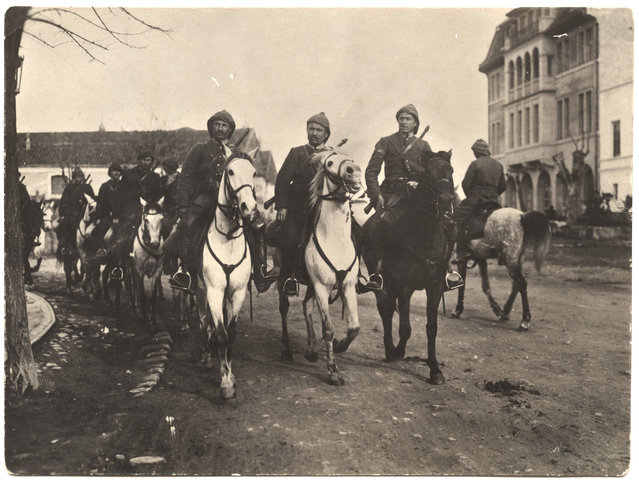
Dr. P.A. Smithe was sent by the American Red Cross as a doctor and surgeon to work at a hospital in Vienna. He sailed to Europe in December 1915 and returned home in August 1916, according to his daughter, who donated his images to the National World War I Museum. Photo: Turkish army, including cavalry, infantry and artillery. (Photo by Dr. P.A. Smithe/National World War I Museum, Kansas City, Mo.)