Loading...
Done
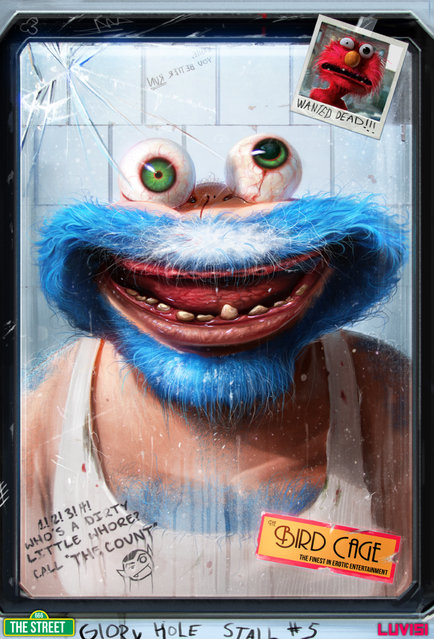
The Digital Art of Dan Luvisi

Dan Luvisi reimagines beloved animated characters and turns them into grimy, twisted, hideous personas that may have just scarred us of our fondest memories from childhood forever. Photo: “The Cook”. (Photo by Dan Luvisi)
Details
23 May 2014 11:12:00
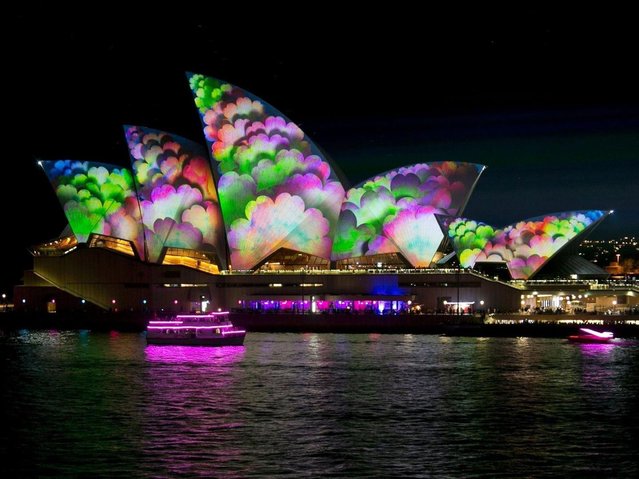
Sydney Vivid Festival

Vivid Sydney is a unique annual event of light, music and ideas, featuring an outdoor 'gallery' of extraordinary lighting sculptures, a cutting-edge contemporary music program, some of the world's most important creative industry forums and, of course, the spectacular illumination of the Sydney Opera House sails. It positions Sydney as the creative hub of Australia and the Asia-Pacific region, and delivers both innovative live entertainment and creative inspiration on a grand scale.
Details
01 Jun 2014 13:41:00
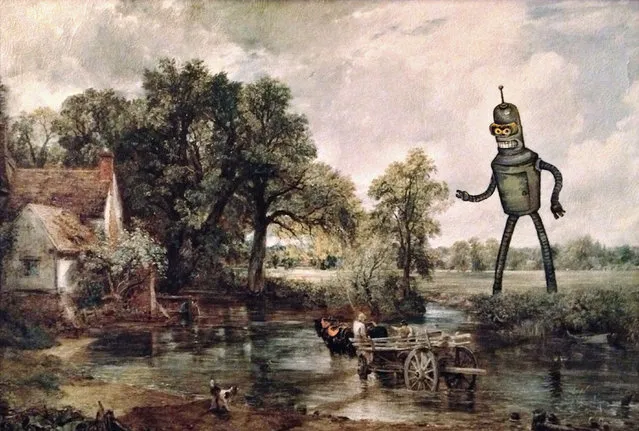
“John Constables's «The Hay Wein» meets «Bender» from «Futurama»”. (Photo and caption by Dave Pollot/Caters News)

“John Constables's «The Hay Wein» meets «Bender» from «Futurama»”. (Photo and caption by Dave Pollot/Caters News)
Details
07 Mar 2014 10:05:00
Members of the Russian Red Army Choir perform at Water Front Theatre in Beirut September 13, 2014. (Photo by Jamal Saidi/Reuters)

Members of the Russian Red Army Choir perform at Water Front Theatre in Beirut September 13, 2014. (Photo by Jamal Saidi/Reuters)
Details
20 Sep 2014 10:09:00
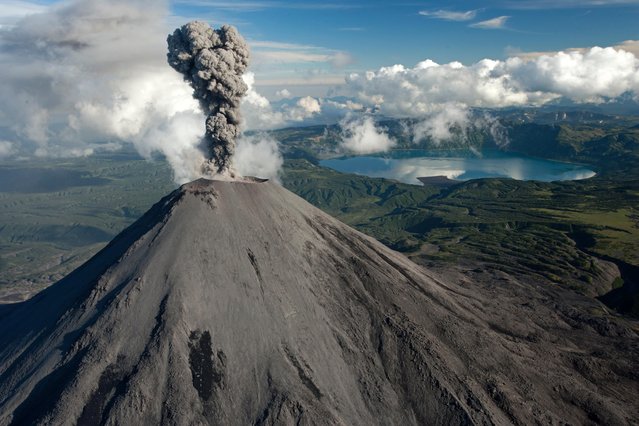
Russia From Above: “An Explosive Scene”. The 1,486-meter-high Karymskii Volcano in Kamchatka. (Photo by Sergey Fomin)

Since 2003, photographer Sergey Fomin has been shooting Russia’s most attractive natural, historical, and architectural objects from different aircrafts. Photo: “An Explosive Scene”. The 1,486-meter-high Karymskii Volcano in Kamchatka. (Photo by Sergey Fomin)
Details
28 Sep 2014 11:39:00
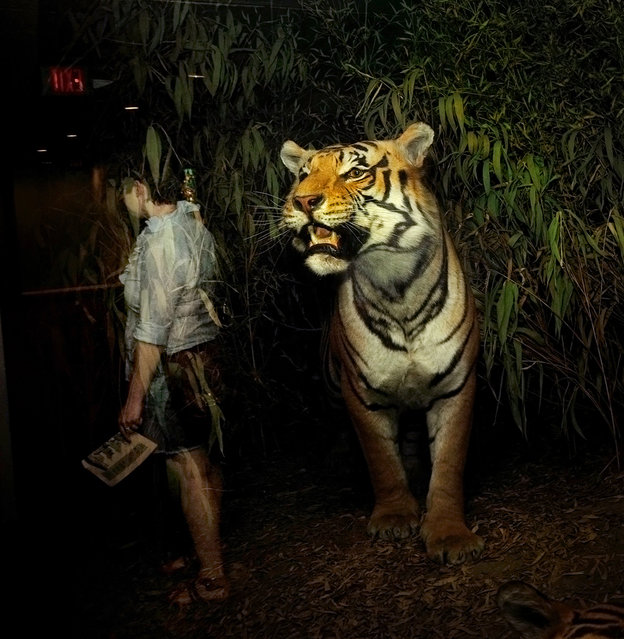
“Natural History”: Tiger. (Photo by Traer Scott)

“Natural History” is a series of completely candid single exposure images that merge the living and the dead to create allegorical narratives of our troubled co-existence with nature. Ghost-like reflections of modern visitors viewing wildlife dioramas are juxtaposed against the antique taxidermied subjects housed behind thick glass, their faces molded into permanent expressions of fear, aggression or fleeting passivity. After decades of over-hunting, climate change, poaching and destruction of habitat, many of these long dead diorama specimens now represent endangered or completely extinct species”. – Traer Scott. (Photo by Traer Scott)
Details
27 Oct 2014 11:39:00


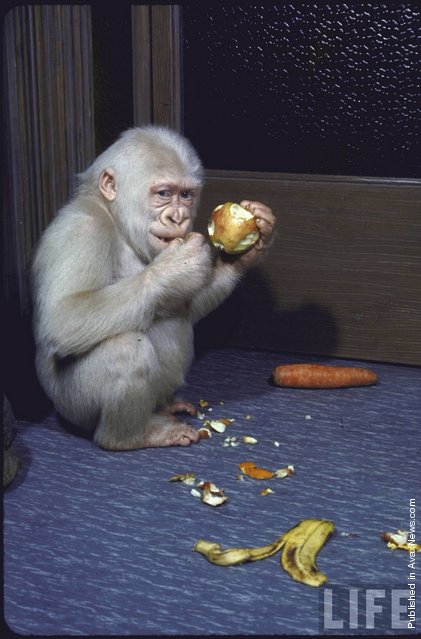
“Snowflake (c. 1964 – November 24, 2003) was an albino gorilla. He was the only known albino gorilla so far, and the most popular resident of the Barcelona Zoo in Catalonia, Spain. Originally named Nfumu Ngui in Fang language ("white gorilla") by his captor, he was then nicknamed Floquet de Neu (Catalan for little snowflake) by his keeper Jordi Sabater Pi. On his arrival to Barcelona where he was given an official reception by the then Mayor of Barcelona, Josep Maria de Porcioles, in November 1966, he was called Blancanieves (“Snow White”) in the newspaper Tele/Exprés. But he became famous with the name given to him by Sabater when National Geographic Magazine featured him on the main page in March 1967, with the English name Snowflake. This name spread among the press (Stern, Life, Paris-Match) and was later translated to Spanish as Copito de Nieve. Sabater himself called the gorilla Floquet or Copi, and in the later years Nfumu. The asteroid 95962 Copito, discovered by Catalan astronomer J. Manteca, is named in his honour”.

Details
07 Mar 2011 15:50:00


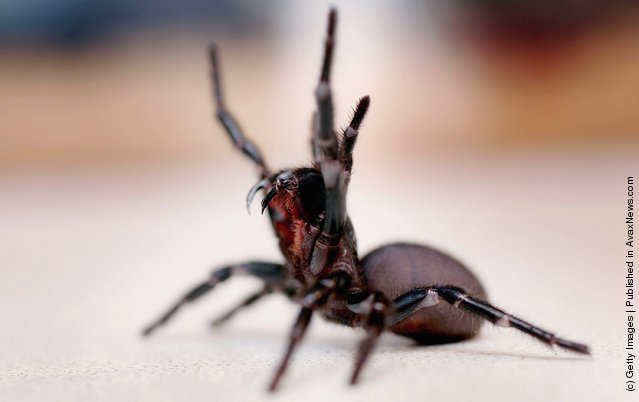
A Funnel Web spider is pictured at the Australian Reptile Park January 23, 2006 in Sydney, Australia. The Funnel Web is one of Australia's deadliest animals, with a venom that is packed with at least 40 different toxic proteins. A bite from a Funnel Web causes massive electrical over-load in the body's nervous system. Finally, fatalities occur from either heart attack or a pulmonary oedema, where the capillaries around the lungs begin to leak fluid and the patient effectively drowns. Death can come as quickly as two hours after a bite if no medical treatment is sought. Due to advances in anti-venom, there has been no death from a Funnel Web bite in Australia since 1980. Australia is home to some of the most deadly and poisonous animals on earth. (Photo by Ian Waldie/Getty Images)
Details
25 Apr 2011 07:49:00