
30 Aug 2013 11:23:00,post received
0 comments

Details

01 Nov 2013 12:02:00,post received
0 comments
Details
20 Nov 2013 09:12:00,post received
0 comments
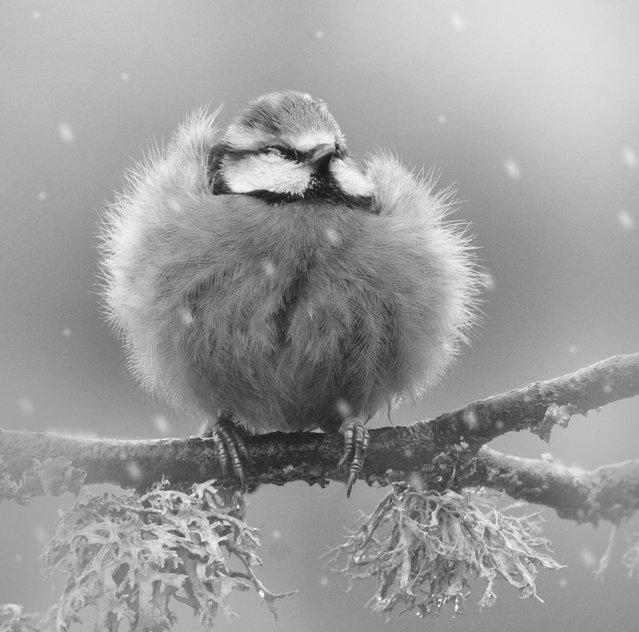
The International Garden Photographer of the Year has announced the winner of their Black & White Photo Project 2019. Here: Blue Tit, Criccieth, Wales. (Photo by Alan Price/The International Garden Photographer of the Year)
07 May 2019 00:03:00,post received
0 comments
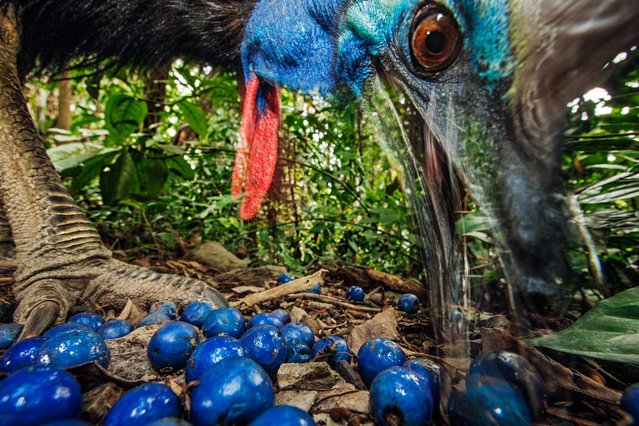
“Cassowaries are large, flightless birds related to emus and (more distantly) to ostriches, rheas, and kiwis”, writes Olivia Judson in the September issue of National Geographic magazine. How large? People-size: Adult males stand well over five foot five and top 110 pounds. Females are even taller, and can weigh more than 160 pounds. Dangerous when roused, they’re shy and peaceable when left alone. But even birds this big and tough are prey to habitat loss. The dense New Guinea and Australia rain forests where they live have dwindled. Today cassowaries might number 1,500 to 2,000. And because they help shape those same forests – by moving seeds from one place to another – “if they vanish”, Judson writes, “the structure of the forest would gradually change” too. (Photo by Christian Ziegler/National Geographic)
06 Jan 2014 12:21:00,post received
0 comments
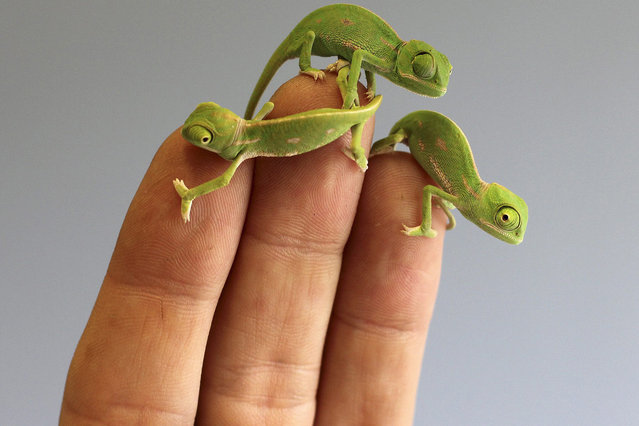
A handout image released by the Taronga Zoo shows Veiled Chameleon hatchlings at Taronga Zoo in Sydney, Australia, 11 March 2015. Taronga has welcomed more than 20 baby chameleons, with the last of three clutches of eggs hatching this week. Veiled Chameleons, or Chamaeleo calyptratus, are native to Saudi Arabia and Yemen and can live up to five years. (Photo by EPA/Taronga Zoo)
21 Mar 2015 13:13:00,post received
0 comments

The Mercedes-Benz F015 Luxury in Motion autonomous concept car is shown on stage during the 2015 International Consumer Electronics Show (CES) in Las Vegas, Nevada January 5, 2015. (Photo by Steve Marcus/Reuters)
09 Jan 2015 12:49:00,post received
0 comments
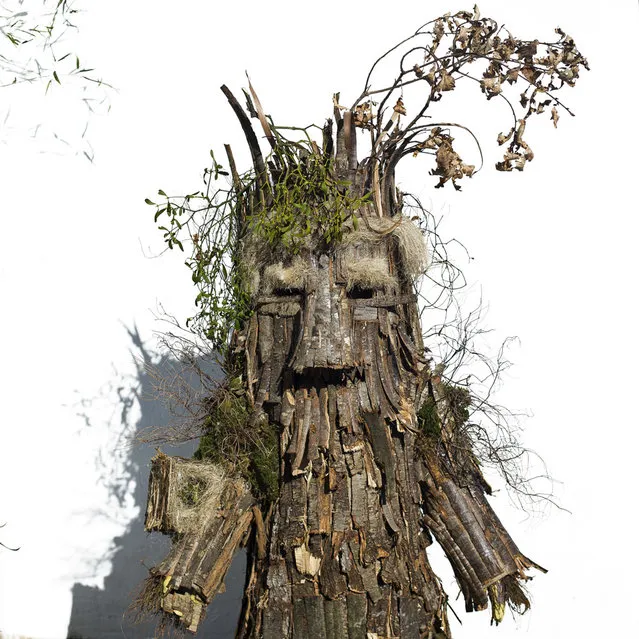
A man dressed as a “Trapajon”, representing entities of nature, poses for a picture after taking part in the Vijanera Festival in Silio, northern Spain, Sunday, Jan. 6, 2013. The Vijanera masquerade, of pre-Roman origin, is the first carnival of the year in Europe symbolizing the triumph of good over evil and involving the participation of crowds of residents wearing different masks, animal skins and brightly colored clothing with its own complex function and symbolism and becoming the living example of the survival of archaic cults to nature. (Photo by Daniel Ochoa de Olza/AP Photo)
19 Jan 2013 13:01:00,post received
0 comments