Loading...
Done
Sultan, a famous captive fennec that is displayed tied on a rope in front of a tourist shop, is the main attraction in the souk of Douz, a desert town in Tunisia. By the display of such a charismatic animal, tourists are often lured to buy things or pay for pictures. On inquiry, although Sultan has been caught as a pup in the wild, the owners of the shop reassure the foreigners stating that the animal is ‘domestic’. (Photo by Bruno D’Amicis/Fritz Pölking Prize/GDT EWPY 2015)

Sultan, a famous captive fennec that is displayed tied on a rope in front of a tourist shop, is the main attraction in the souk of Douz, a desert town in Tunisia. By the display of such a charismatic animal, tourists are often lured to buy things or pay for pictures. On inquiry, although Sultan has been caught as a pup in the wild, the owners of the shop reassure the foreigners stating that the animal is ‘domestic’. (Photo by Bruno D’Amicis/Fritz Pölking Prize/GDT EWPY 2015)
Details
23 Nov 2015 08:02:00
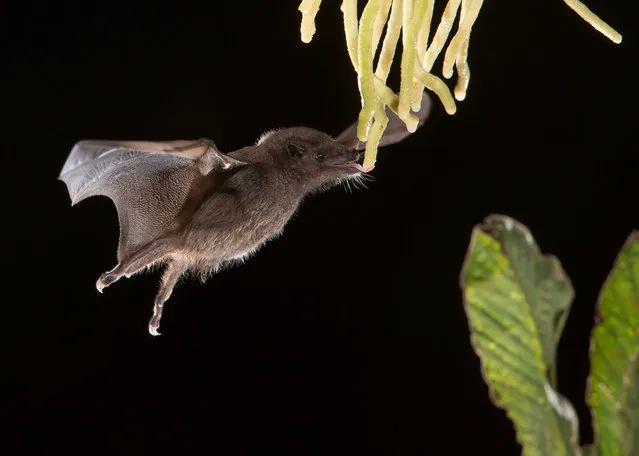
Anoura Geoffroy’s tailless bat by Nicolas Reusens. The Perfect Moment category; Adult runner up. (Photo by Nicolas Reusens/ZSL Animal Photography Prize 2015)

Attracting more than 450 entries from around the world, the winners are selected by a panel of expert judges including ZSL honorary conservation fellow and television presenter Kate Humble, and renowned ornithologist Bill Oddie. Here: Anoura Geoffroy’s tailless bat by Nicolas Reusens. The Perfect Moment category; Adult runner up. (Photo by Nicolas Reusens/ZSL Animal Photography Prize 2015)
Details
22 Nov 2015 08:04:00
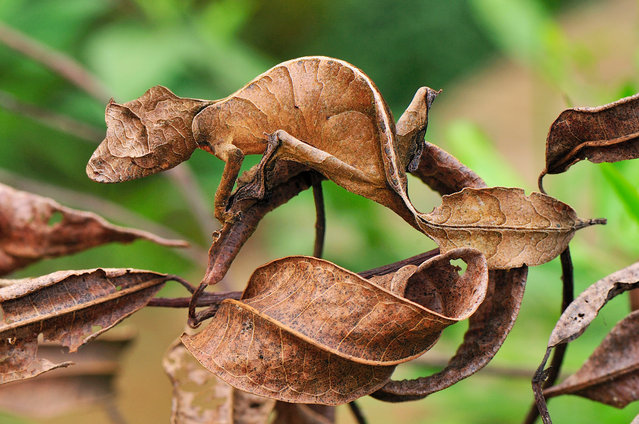
Is it a leaf? Is it tree bark? No, it’s the Satanic leaf-tailed gecko. Cleverly disguised as a rotting leaf, Madagascar’s camouflage king has red eyes, pointy horns and a taste for night hunting: it’s nature’s most devilish deceiver. (Photo by Thomas Marent/ARDEA)

Is it a leaf? Is it tree bark? No, it’s the Satanic leaf-tailed gecko. Cleverly disguised as a rotting leaf, Madagascar’s camouflage king has red eyes, pointy horns and a taste for night hunting: it’s nature’s most devilish deceiver. The twisted body and veiny skin echo the detail of a dry leaf, which ensures the gecko blends in with its forest home. The mottled tail appears to have sections missing, as though it has withered over time. This mini-monster epitomises survival of the fittest, having adapted gradually to become today’s extraordinary leaf impersonator. (Photo by Thomas Marent/ARDEA)
Details
20 Nov 2015 08:03:00
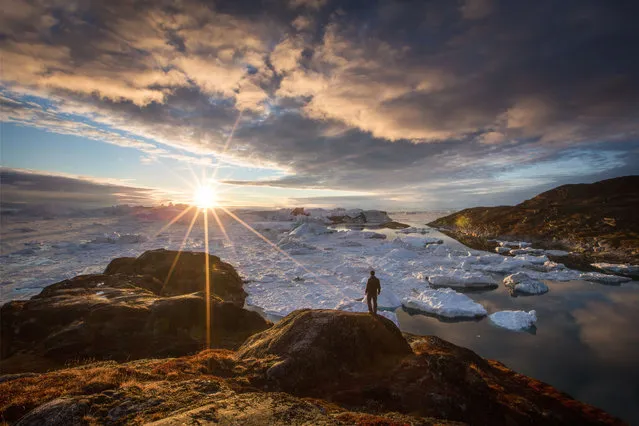
The photographer even includes himself in many of the shots - a signature of his that offers a fresh take on the conventional selfie, as well as providing a sense of scale to his works. (Photo by Paul Zizkas/Caters News)

Stunning images show the rolling splendor of the "iceberg capital of the world" under auroras. The photographer even includes himself in many of the shots – a signature of his that offers a fresh take on the conventional selfie, as well as providing a sense of scale to his works. Ziskas shot the photographs over a 10-day visit to western Greenland in September. Here: the photographer even includes himself in many of the shots – a signature of his that offers a fresh take on the conventional selfie, as well as providing a sense of scale to his works. (Photo by Paul Zizkas/Caters News)
Details
20 Nov 2015 08:01:00
The rising sun illuminates the sky above the spires of a church in Vienna, Austria, November 17, 2015. (Photo by Heinz-Peter Bader/Reuters)

The rising sun illuminates the sky above the spires of a church in Vienna, Austria, November 17, 2015. (Photo by Heinz-Peter Bader/Reuters)
Details
19 Nov 2015 08:05:00
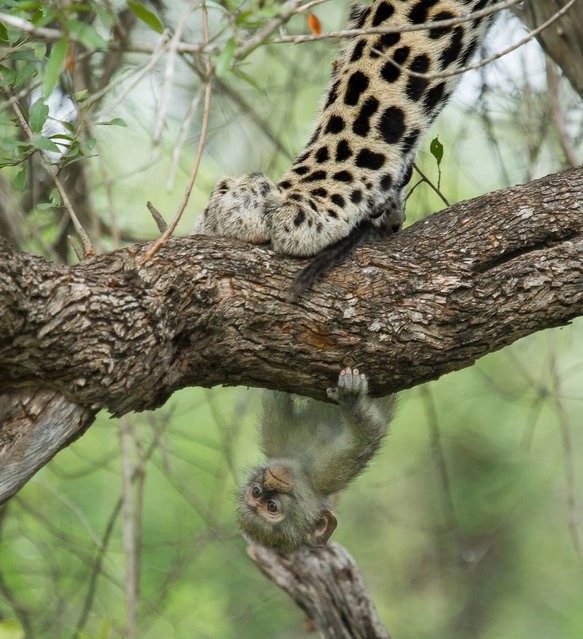
Chris Renshaw has recently been awarded the 2015 Africa Geographic “Photographer of the Year” award. Chris tells that his love “for anything wild and adventurous came from a deep rooted attachment to the African continent. This image shows that timing, a bit of anticipation, and luck allowed this incredible moment in time to be captured”. (Photo by Chris Renshaw)

Chris Renshaw has recently been awarded the 2015 Africa Geographic “Photographer of the Year” award. Chris tells that his love “for anything wild and adventurous came from a deep rooted attachment to the African continent. This image shows that timing, a bit of anticipation, and luck allowed this incredible moment in time to be captured”. (Photo by Chris Renshaw)
Details
19 Nov 2015 08:00:00
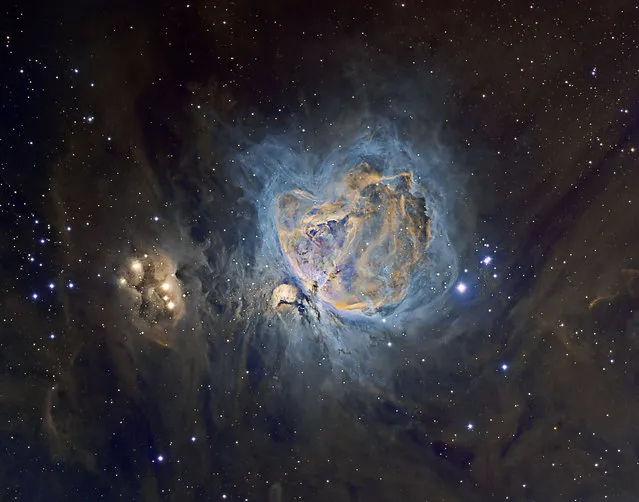
M42 Subtle V1 cropped. One of the most well-known astronomical objects in our universe is the Orion Nebula and this image depicts the wider region of the Orion Molecular Cloud Complex that is its home. This complex also includes another popular target for astrophotographers, the Horsehead Nebula, as well as Barnard’s Loop and the Running Man Nebula, which can be seen to the left of this photograph. (Photo by Patrick Gilliland)

M42 Subtle V1 cropped. One of the most well-known astronomical objects in our universe is the Orion Nebula and this image depicts the wider region of the Orion Molecular Cloud Complex that is its home. This complex also includes another popular target for astrophotographers, the Horsehead Nebula, as well as Barnard’s Loop and the Running Man Nebula, which can be seen to the left of this photograph. (Photo by Patrick Gilliland)
Details
17 Nov 2015 08:05:00
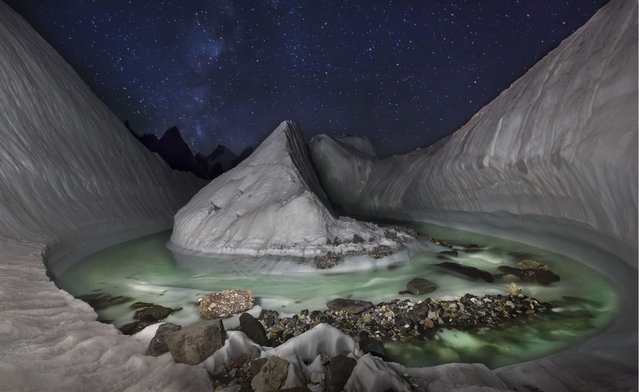
Polish photographer David Kaszlikowski took a series of stunning photographs of a glacier in the Karakoram region of Pakistan while on a film expedition. At the Baltoro and Godwin-Austen glaciers near K2, the second highest mountain in the world, he sent his drone on flights to scout the surrounding landscape. Here: at the heart of Karakoram, a glacier formation found at Concordia at the very beginning of one of the longest glaciers on the planet, Baltoro. (Photo by David Kaszlikowski/Rex Features)

Polish photographer David Kaszlikowski took a series of stunning photographs of a glacier in the Karakoram region of Pakistan while on a film expedition. At the Baltoro and Godwin-Austen glaciers near K2, the second highest mountain in the world, he sent his drone on flights to scout the surrounding landscape. Here: at the heart of Karakoram, a glacier formation found at Concordia at the very beginning of one of the longest glaciers on the planet, Baltoro. (Photo by David Kaszlikowski/Rex Features)
Details
17 Nov 2015 08:02:00