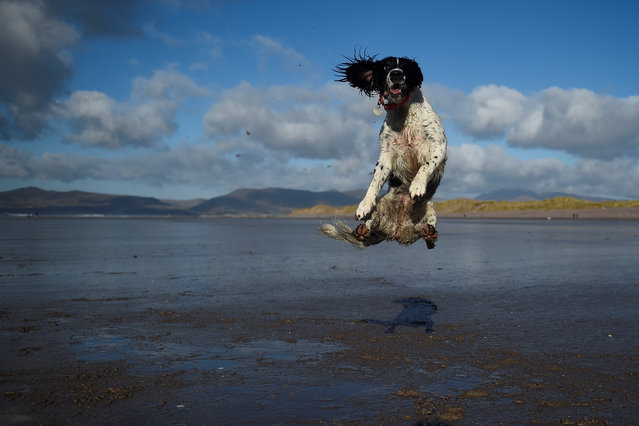
A dog jumps into the air to catch a ball along the beach near the County Kerry village of Rossbeigh, Ireland, February 4, 2018. (Photo by Clodagh Kilcoyne/Reuters)
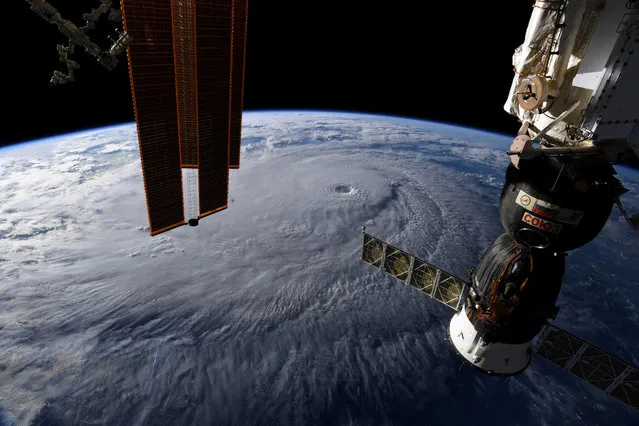
A photo taken from the International Space Station shows Hurricane Lane in the early morning hours near Hawaii, August 22, 2018. (Photo by Courtesy @astro_ricky/NASA/Handout via Reuters)
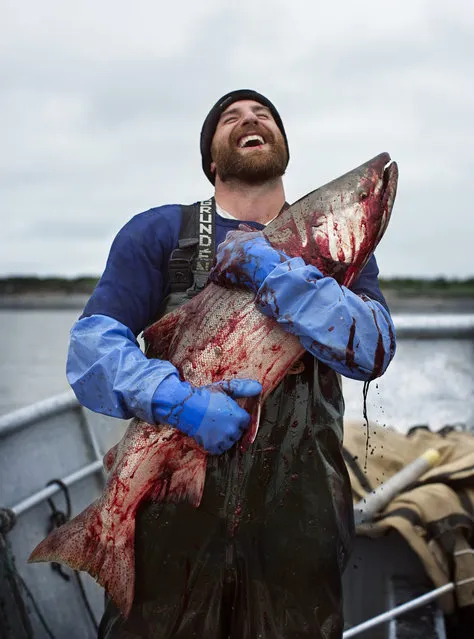
Well before Corey Arnold ever thought about photography, he fished. As a child, he dressed as a fisherman for four consecutive Halloweens, and once brought a dead 3-foot Mako shark to school for show-and-tell. He knew he wanted to be a professional fisherman, even if he didn’t understand what that actually meant.
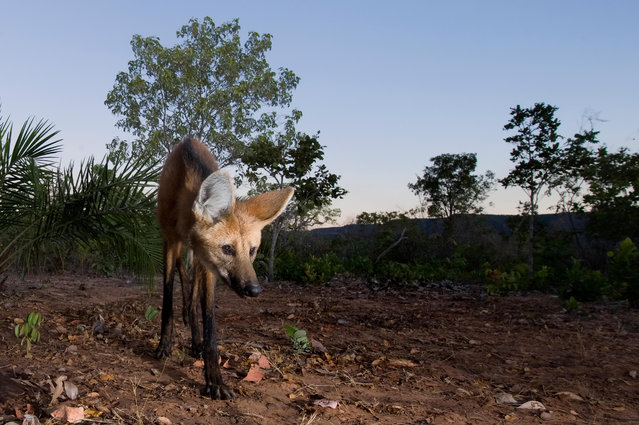
Global wildlife populations will decline by 67% by 2020 unless urgent action is taken to reduce human impact on species and ecosystems, warns the biennial Living Planet Index report from WWF (World Wide Fund for Nature) and ZSL (Zoological Society of London). From elephants to eels, here are some of the wildlife populations most affected by human activity. Here: The maned wolf is among the large mammals in the Brazilian Cerrado that are threatened by the increasing conversion of grasslands into farmland for grazing and growing crops. (Photo by Ben Cranke/Nature Picture Library/Alamy Stock Photo)
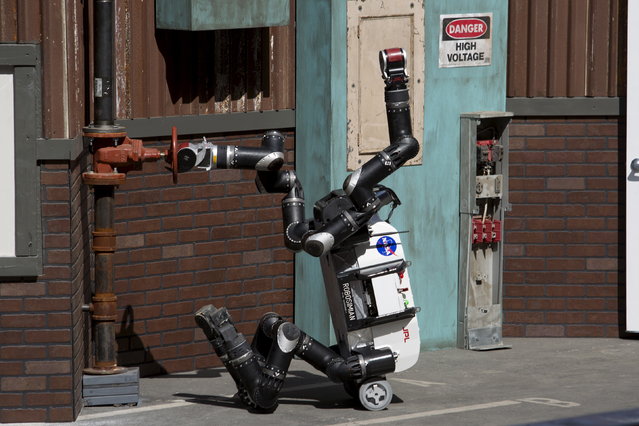
The Jet Propulsion Lab team's RoboSimian robot turns on a valve at a simulated disaster-response course during day one of the Defense Advanced Research Projects Agency (DARPA) Robotics Challenge finals in Pomona, California, June 5, 2015. (Photo by David McNew/Reuters)
Sports Finalist – Ian MacNicol. Michalina Kwasniewska of Poland competes in the Women's high jump during day one of The European Athletics U23 Championships 2013 on July 11, 2013 in Tampere, Finland. (Photo by Ian MacNicol/Agence France-Presse)