Loading...
Done
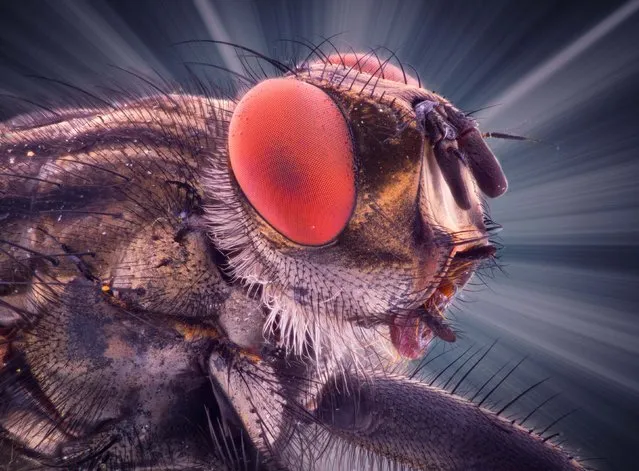
House Fly. (Photo by Kutub Uddin/Caters News)

“Creepy crawlies have become stunning examples of the natural world in these incredible close-up pictures. Photographer Kutub Uddin, 28, snapped the tiny creatures in a forest near his home of Bognor Regis over the course of the summer. Taken in close-up using special macro lenses and filters, he managed to turn house flies, damsel flies and wasps into gorgeous jeweled works of art. Kutub said: “I found the bugs in the forest near where I live when I was taking pictures”. – Cater News
Details
01 Sep 2014 10:29:00
Toyota Urban Utility Vehicle Concept

Makers, meet your DIY dream car. Toyota‘s Calty Design Research Studio just unveiled its brand new Urban Utility concept car – an ultra flexible vehicle with a transforming interior designed to meet the needs of today’s on-the-go makers. Toyota packed an amazing amount of space into a footprint the size of a compact car. The U-squared can seat up to four passengers, or you can fold down three seats and roll out an array of racks, movable rails, and storage trays that can accommodate everything from surfboards and bikes to bulky equipment (like your homemade tesla coil).
Details
19 Sep 2014 11:08:00
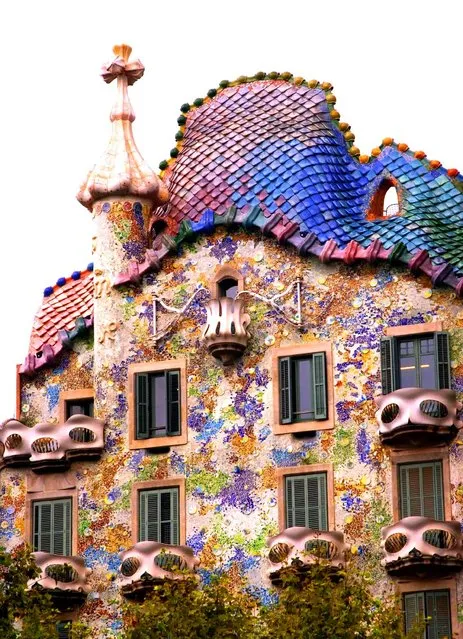
Casa Batllo By Antoni Gaudi

Casa Batllo is a renowned building located in the heart of Barcelona and is one of Antoni Gaudí’s masterpieces. Casa Batlló is a remodel of a previously built house. It was redesigned in 1904 by Gaudí and has been refurbished several times after that. Casa Batlló evokes the creativity and playfulness of Gaudí’s work through the incracite facades and creative floors. Gaudí's assistants Domènec Sugrañes i Gras, Josep Canaleta and Joan Rubió also contributed to the renovation project.
Details
01 May 2013 12:47:00
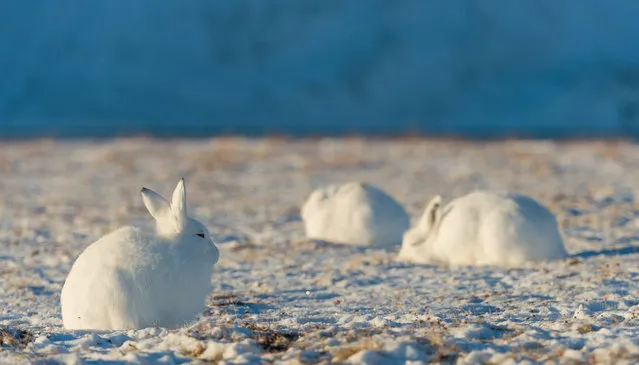
Arctic Hare

The arctic hare, or polar rabbit, is a species of hare which is adapted largely to polar and mountainous habitats. The arctic hare survives with a thick coat of fur and usually digs holes in the ground or under snow to keep warm and sleep. Arctic hares look like rabbits but have shorter ears, are taller when standing, and, unlike rabbits, can thrive in cold climates. They can travel together with many other hares, sometimes huddling with dozens or more, but are usually found alone, taking, in some cases, more than one partner. The arctic hare can run up to 60 kilometres per hour (40 mph). Its predators include the arctic wolf, arctic fox, and ermine.
Details
17 Mar 2014 13:56:00
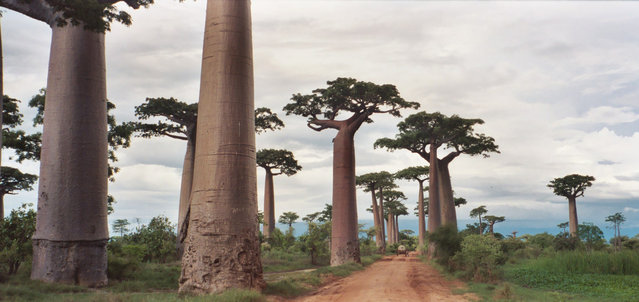
Avenue of the Baobabs

The Avenue or Alley of the Baobabs is a prominent group of baobab trees lining the dirt road between Morondava and Belon'i Tsiribihina in the Menabe region in western Madagascar. Its striking landscape draws travelers from around the world, making it one of the most visited locations in the region. It has been a center of local conservation efforts, and was granted temporary protected status in July 2007 by the Ministry of Environment, Water and Forests, the first step toward making it Madagascar's first natural monument.
Details
16 Nov 2012 10:05:00
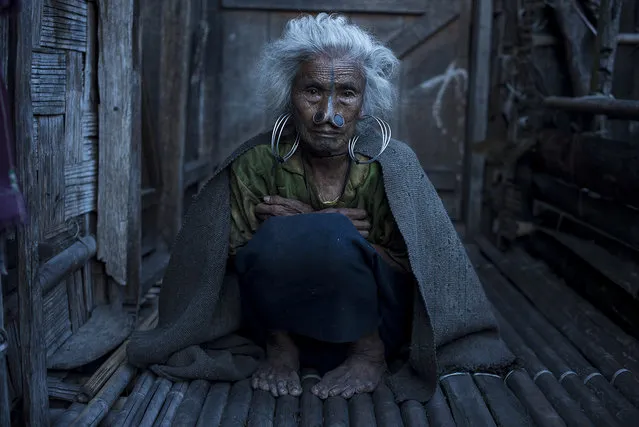
“YagYang”. The Apatani are tribal people living in north east of India in the region of Arunachal Pradesh. Tattooing and stuffing of large nose plugs is the particularity of these women. YagYang 75 years old, her husband passed away few months ago and she feels very alone, during my visit I was very fond of this woman and I wanted to spend some more time with her, so I asked her which was her favorite dish. Photo location: India. (Photo and caption by Passarini Mattia/National Geographic Photo Contest)

“YagYang”. The Apatani are tribal people living in north east of India in the region of Arunachal Pradesh. Tattooing and stuffing of large nose plugs is the particularity of these women. YagYang 75 years old, her husband passed away few months ago and she feels very alone, during my visit I was very fond of this woman and I wanted to spend some more time with her, so I asked her which was her favorite dish. The next day i returned with the fresh fish, as she mentioned, and when she saw me she was very happy and welcomed me with a big smile. Photo location: India. (Photo and caption by Passarini Mattia/National Geographic Photo Contest)
Details
05 Nov 2014 11:55:00
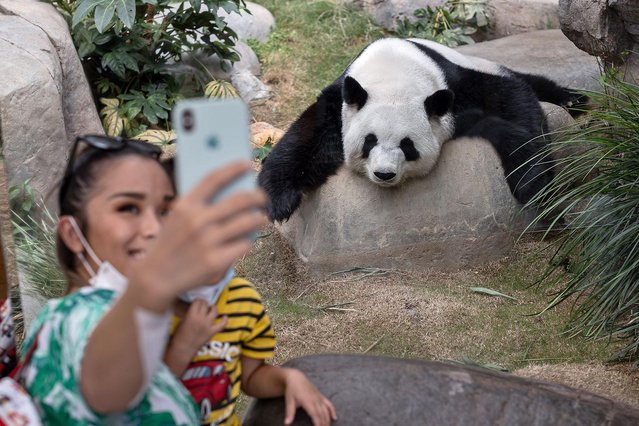
Giant panda Ying Ying rests on a rock in its enclosure while a visitor takes a selfie at Ocean Park in Hong Kong, China, 24 September 2020. An An turned 35 in August. Giant pandas in the wild can live up to 20 years on average, while lifespans of those under human care can reach over 30 years. (Photo by Jerome Favre/EPA/EFE)

Giant panda Ying Ying rests on a rock in its enclosure while a visitor takes a selfie at Ocean Park in Hong Kong, China, 24 September 2020. An An turned 35 in August. Giant pandas in the wild can live up to 20 years on average, while lifespans of those under human care can reach over 30 years. (Photo by Jerome Favre/EPA/EFE)
Details
08 Oct 2020 00:03:00
A robot used to assist Covid-19 patients is seen in an elevator on December 5, 2020 in New Delhi, India. The “Mitra” robot can connect patients with their loved ones, and can assist healthcare workers on the frontlines of the pandemic by minimisng the risk of infections caused by close contact. The Yatharth Hospital, which is treating Covid-19 patients in Noida, on the outskirts of New Delhi, is one of a handful of hospitals in India that has started to use robots. (Photo by Anindito Mukherjee/Getty Images)

A robot used to assist Covid-19 patients is seen in an elevator on December 5, 2020 in New Delhi, India. The “Mitra” robot can connect patients with their loved ones, and can assist healthcare workers on the frontlines of the pandemic by minimisng the risk of infections caused by close contact. The Yatharth Hospital, which is treating Covid-19 patients in Noida, on the outskirts of New Delhi, is one of a handful of hospitals in India that has started to use robots. (Photo by Anindito Mukherjee/Getty Images)
Details
21 Dec 2020 00:05:00