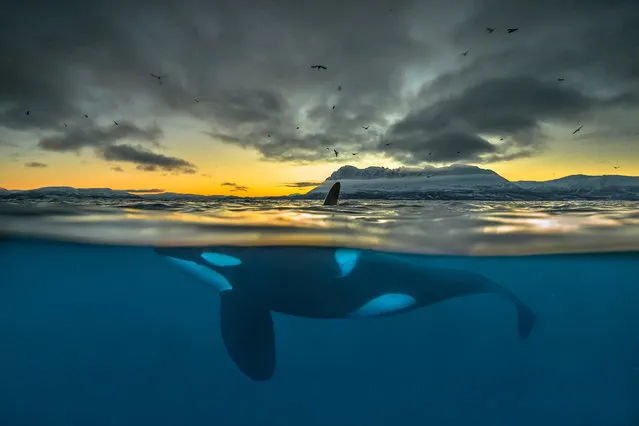
Split-view of a killer whale at sunrise off the coast of Northern Norway. At least half of the world’s killer whale populations are doomed to extinction due to pollution of the oceans, a new study says. (Photo by Audun Rikardsen/Science)
People enjoy their time near the Arcadia stage at the Glastonbury Festival site in Somerset, Britain on June 24, 2023. (Photo by Jason Cairnduff/Reuters)
Blossoms and dust are blown by the wind as Jasmin Ricks, left, and her sister, Jessica Ricks, center, take in the cherry blossoms near the Tidal Basin in Washington on April 12, 2018. (Photo by Matt McClain/The Washington Post)
Liu Yang, China's first female astronaut, waves during a departure ceremony at Jiuquan Satellite Launch Center, on June 16, 2012. (Photo by Jason Lee/Reuters via The Atlantic)
This aerial image shows autumn leaves at their peak as they surround Tsutenkyo Bridge amongst the grounds of Tofukuji Temple, in the city of Kyoto on November 27, 2024. (Photo by JIJI Press/AFP Photo)
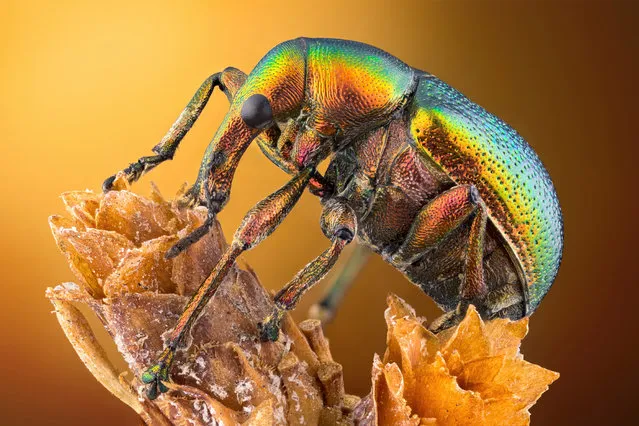
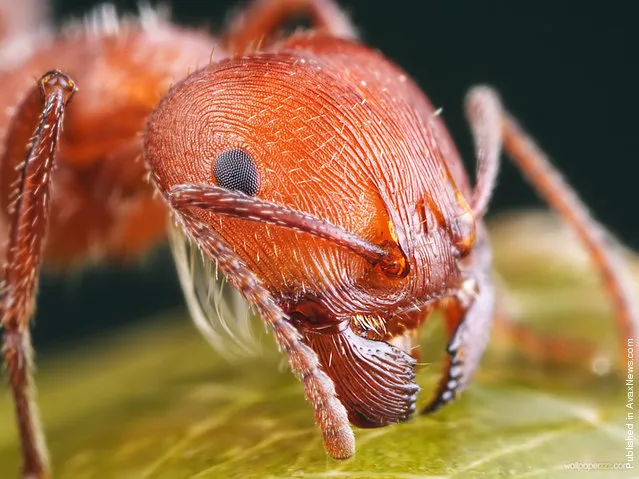
Once upon a time a myth was born that insects, unlike animals, are just a machines that not capable of learning and survive only based on their instincts. That myth has become the widespread opinion. Of course, this opinion is indeed erroneous, like many other widespread opinions. Let us try to find out which part is a myth and which part is true.
An Indian nomadic Gujjar girl hangs on to a horse cart after collecting bricks from debris on the outskirts of Jammu, India, Tuesday, March 7, 2017. The Gujjar tribal communities are considered by some to be economically and socially backward and the lack of care by the state government has led to resentment amongst the community. The tribe moves to the plains from the hills to escape the cold winters. (Photo by Channi Anand/AP Photo)